Wear resistance is a crucial factor in the performance and longevity of auto welding jigs, especially in the high - volume and high - stress environment of the automotive manufacturing industry. As a leading supplier of Auto Welding Jig in China, I have witnessed firsthand the significance of wear resistance in ensuring the quality and efficiency of auto welding processes.
Understanding Wear Resistance in Auto Welding Jigs
Wear resistance refers to the ability of a material or component to withstand the effects of wear, which can be caused by various factors such as friction, abrasion, corrosion, and impact. In the context of auto welding jigs, wear can occur at multiple points, including the contact surfaces between the jig and the auto parts, the clamping mechanisms, and the guiding elements.
The wear of auto welding jigs can have several negative consequences. Firstly, it can lead to a decrease in the accuracy of the welding process. As the jig wears, the positioning of the auto parts may become less precise, resulting in misaligned welds and poor - quality joints. This can compromise the structural integrity of the automotive components and ultimately affect the safety and performance of the vehicles.
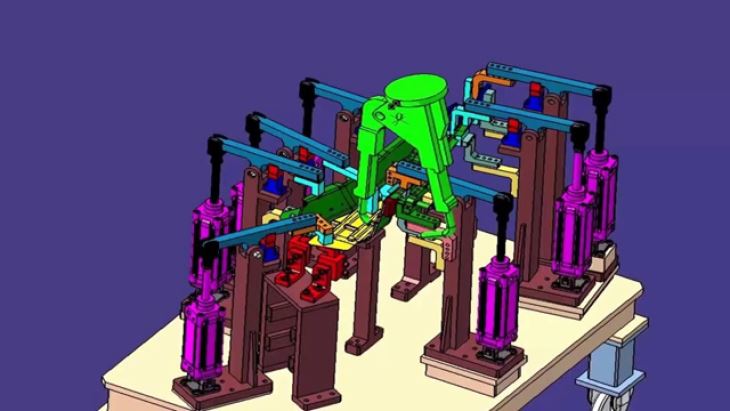
Secondly, wear can reduce the efficiency of the welding operation. A worn - out jig may require more frequent adjustments and replacements, leading to increased downtime and production costs. Moreover, the wear - related issues can also cause problems in the automation of the welding process, as the robotic systems rely on the precise and consistent performance of the jigs.
Factors Affecting the Wear Resistance of Chinese Auto Welding Jigs
Material Selection
The choice of materials is one of the most important factors influencing the wear resistance of auto welding jigs. In China, we use a variety of high - quality materials, including alloy steels, tool steels, and special - purpose polymers. Alloy steels, for example, are known for their high strength, hardness, and toughness, which make them suitable for applications where high wear resistance is required. Tool steels, on the other hand, can be heat - treated to achieve even higher levels of hardness and wear resistance.
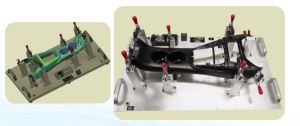
Some of the advanced materials used in our Auto Pillar Parts Welding Fixture are designed to resist the extreme conditions of the welding environment. These materials are carefully selected based on their chemical composition, mechanical properties, and compatibility with the welding process. For instance, materials with a high chromium content can provide excellent corrosion resistance, which is important in preventing the degradation of the jig due to the presence of welding fumes and other corrosive substances.
Manufacturing Processes
The manufacturing processes also play a vital role in determining the wear resistance of auto welding jigs. Precision machining techniques, such as CNC machining, are used to ensure the accurate shaping and sizing of the jig components. This not only improves the fit and function of the jig but also enhances its wear resistance by reducing the stress concentrations and surface roughness.
Heat treatment is another important manufacturing process that can significantly improve the wear resistance of the jigs. By subjecting the materials to controlled heating and cooling cycles, the internal structure of the materials can be modified to achieve the desired hardness and toughness. For example, quenching and tempering can increase the hardness of the steel components, making them more resistant to abrasion and wear.
Surface treatment processes, such as plating and coating, are also commonly used to enhance the wear resistance of auto welding jigs. Chrome plating, for instance, can provide a hard and smooth surface that reduces friction and wear. Other coatings, such as ceramic coatings, can offer excellent wear and corrosion resistance, as well as high - temperature stability.
Design Considerations
The design of the auto welding jigs can also have a significant impact on their wear resistance. A well - designed jig should be able to distribute the forces evenly during the welding process, reducing the stress on the individual components. This can be achieved through the use of proper geometries, such as rounded edges and fillets, which can prevent the concentration of stress at the corners and edges.
In addition, the design should also take into account the ease of maintenance and replacement of the worn - out parts. Modular designs are often preferred, as they allow for the quick and easy replacement of the individual components without the need to replace the entire jig. This not only reduces the downtime but also extends the overall lifespan of the jig.
Benefits of High Wear Resistance in Chinese Auto Welding Jigs
Quality Assurance
High wear resistance in auto welding jigs ensures the consistent and accurate positioning of the auto parts during the welding process. This leads to high - quality welds with better dimensional accuracy and mechanical properties. As a result, the automotive components produced using our jigs have a lower defect rate and higher reliability, which is essential for meeting the strict quality standards of the automotive industry.
Cost Savings
The long - lasting nature of the high - wear - resistant jigs reduces the frequency of replacements and maintenance, resulting in significant cost savings for the automotive manufacturers. With less downtime for maintenance and replacement, the production efficiency can be improved, and the overall production costs can be reduced. Moreover, the use of high - wear - resistant jigs can also reduce the scrap rate, as the accurate welding process minimizes the number of defective parts.
Compatibility with Automation
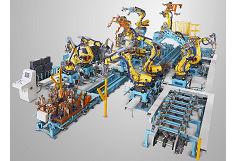
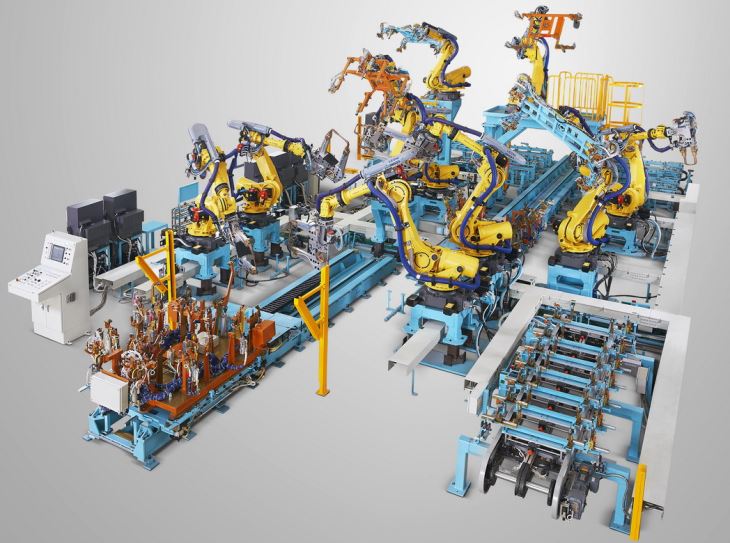
In the era of Industry 4.0, automation is becoming increasingly important in the automotive manufacturing industry. High - wear - resistant jigs are essential for the smooth operation of robotic welding systems. The consistent performance of the jigs ensures that the robotic arms can accurately pick up and position the auto parts, leading to a more efficient and reliable automated welding process. Our Robotic Welding Fixture Line is designed to be highly wear - resistant, making it an ideal choice for the automated welding applications.
Conclusion
As a supplier of Auto Welding Jig in China, we understand the importance of wear resistance in the automotive manufacturing industry. By using high - quality materials, advanced manufacturing processes, and innovative design concepts, we are able to provide auto welding jigs with excellent wear resistance. These jigs not only ensure the quality and efficiency of the welding process but also offer significant cost savings and compatibility with the latest automation technologies.
If you are in the automotive manufacturing industry and are looking for high - quality auto welding jigs with superior wear resistance, we invite you to contact us for procurement and further discussions. We are committed to providing you with the best solutions that meet your specific needs and requirements.
References
- Smith, J. (2018). Automotive Welding Technology. Elsevier.
- Jones, A. (2019). Wear and Tribology in Manufacturing Processes. Springer.
- Chen, L. (2020). Advanced Materials for Automotive Applications. Wiley.