Hey there! As a supplier of Robotic MIG Weld Fixtures, I've dealt with all sorts of challenges when it comes to getting these fixtures from our place to our customers'. In this blog, I'm gonna share some tips on how to transport a Robotic MIG Weld Fixture safely and efficiently.
Understanding the Fixture
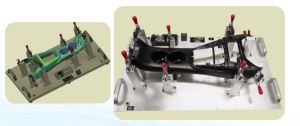
First things first, you gotta understand what you're dealing with. Robotic MIG Weld Fixtures are precision - made tools. They're designed to hold workpieces in place during the welding process, ensuring accurate and consistent welds. These fixtures can be quite large and heavy, and they often have delicate components that need to be protected.
The size and weight of the fixture will determine a lot about how you transport it. Some fixtures can be as small as a few feet in length and weigh a couple of hundred pounds, while others can be massive, taking up an entire shipping container and weighing several tons.
Planning the Transport
Once you know what you're transporting, it's time to plan. You need to figure out the best way to get the fixture from point A to point B. This involves choosing the right mode of transportation.
Shipping Options
- Trucking: This is a popular option for transporting Robotic MIG Weld Fixtures, especially for shorter distances. Trucks offer a high level of flexibility. You can choose between full - truckload (FTL) and less - than - truckload (LTL) shipping. FTL is great if you have a large fixture that can fill an entire truck. It reduces the risk of damage because the fixture won't be jostled around with other cargo. LTL is more cost - effective for smaller fixtures, but there's a bit more risk of damage during loading and unloading.
- Rail: For long - distance transport, rail can be a good choice. It's generally more economical than trucking for large and heavy loads. However, it may require additional handling at rail terminals, which can increase the risk of damage. You also need to make sure the fixture can fit within the dimensions allowed by the rail system.
- Air Freight: If you're in a hurry and the fixture is small and lightweight enough, air freight can be an option. It's the fastest way to transport goods, but it's also the most expensive.
Route Planning
When you've chosen your mode of transportation, you need to plan the route. Consider factors like road conditions, traffic, and any potential obstacles. For example, if you're shipping by truck, you need to avoid low bridges or narrow roads that the truck can't navigate. You can use mapping software to plan the best route and estimate the travel time.
Preparing the Fixture for Transport
Before you load the fixture onto the transport vehicle, you need to prepare it properly.
Cleaning and Inspection
First, clean the fixture thoroughly. Remove any dirt, debris, or welding spatter. This not only makes it easier to handle but also helps in identifying any pre - existing damage. Conduct a detailed inspection of the fixture. Check for loose parts, cracks, or any signs of wear and tear. If you find any issues, repair them before shipping.
Disassembly
In some cases, it may be necessary to disassemble the fixture into smaller parts. This can make it easier to handle and transport, especially if the fixture is very large. However, disassembly should be done carefully. Make sure you label all the parts clearly so that they can be easily reassembled at the destination. You can find more about different types of fixtures on our Robotic Welding Fixture Line page.
Packaging
Proper packaging is crucial to protect the fixture during transport. You can use a variety of materials for packaging:
- Wooden Crates: These are a popular choice for protecting Robotic MIG Weld Fixtures. They provide a sturdy enclosure that can withstand impacts. Make sure the crate is well - constructed and the fixture is securely fastened inside.
- Foam Padding: Use foam padding to cushion the fixture and prevent it from moving around inside the crate. You can cut the foam to fit the shape of the fixture for a better fit.
- Plastic Wrap: Wrapping the fixture in plastic can protect it from dust, moisture, and minor scratches.
Loading and Securing the Fixture
Once the fixture is packaged, it's time to load it onto the transport vehicle.
Loading Equipment
Use the right equipment for loading. For small fixtures, a forklift or pallet jack may be sufficient. For larger fixtures, you may need a crane. Make sure the equipment is in good working condition and the operators are trained.
Securing the Fixture
It's essential to secure the fixture properly inside the transport vehicle. This prevents it from shifting during transit, which can cause damage. You can use straps, chains, or brackets to secure the fixture. Make sure the securing methods are strong enough to withstand the forces exerted during transportation.
Insurance and Documentation
Insurance
Don't forget to get insurance for the fixture during transport. Accidents can happen, and having insurance can protect you from financial losses in case of damage or loss. Shop around and compare insurance policies to find the best coverage for your needs.
Documentation
Prepare all the necessary documentation. This includes a bill of lading, which details the contents of the shipment, the shipper, and the consignee. You may also need a certificate of origin, especially if you're shipping internationally. Keep copies of all the documents for your records.
Unloading and Reassembly
At the destination, the fixture needs to be unloaded carefully. Use the same loading equipment and procedures in reverse. Once the fixture is unloaded, it's time to reassemble it if it was disassembled for transport. Refer to the labels you made during disassembly to ensure the parts are put back together correctly. Our Auto Pillar Parts Welding Fixture page has some useful information on the reassembly process for similar fixtures.
Quality Check
After reassembly, conduct a quality check. Make sure the fixture is functioning properly and all the parts are in place. Check for any signs of damage that may have occurred during transport. If you find any issues, contact the transport company and your insurance provider immediately.
Conclusion
Transporting a Robotic MIG Weld Fixture requires careful planning and attention to detail. By choosing the right shipping method, preparing the fixture properly, and taking all the necessary precautions, you can ensure that the fixture arrives at its destination safely and in good working condition.
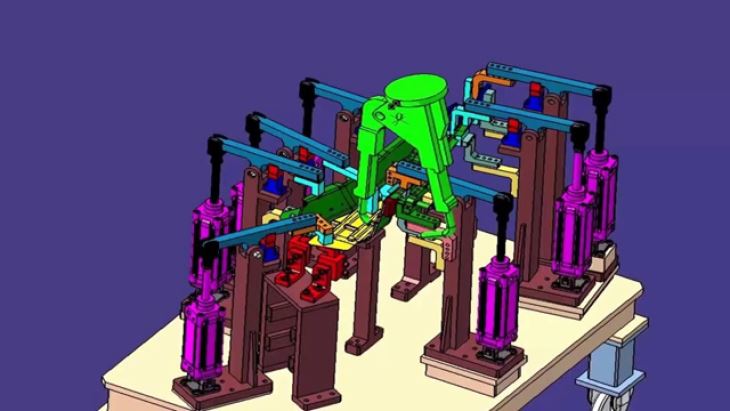
If you're in the market for a Robotic MIG Weld Fixture or have any questions about transporting them, don't hesitate to reach out. We're here to help you with all your welding fixture needs and can guide you through the entire process from purchase to delivery.
References
- "Guide to Industrial Equipment Transportation" - Industry - specific handbook
- "Packaging and Shipping Best Practices" - Logistics industry publication