Hey there! As a supplier of Checking And CMM Fixtures, I've been in the game for quite a while, and I know how crucial it is to adjust the position of parts in these fixtures correctly. In this blog, I'm gonna share some tips and tricks on how to do just that.
First off, let's talk about why adjusting the position of parts in checking and CMM fixtures is so important. When you're using these fixtures, you're essentially trying to ensure that the parts you're manufacturing meet the required specifications. If the parts aren't positioned correctly in the fixture, you won't get accurate measurements, and that can lead to all sorts of problems down the line. For example, you might end up with parts that don't fit together properly, or you might have to scrap a whole batch of parts because they don't meet the quality standards.
So, how do you adjust the position of parts in these fixtures? Well, it depends on the type of fixture you're using and the specific requirements of the part you're working on. Here are some general steps that you can follow:


Step 1: Understand the Fixture Design
Before you start adjusting the position of the parts, you need to have a good understanding of the fixture design. Take a close look at the fixture and identify all the different components and how they work together. This will help you determine which parts need to be adjusted and how to do it.
Step 2: Use the Right Tools
To adjust the position of parts in the fixture, you'll need to use the right tools. This might include things like wrenches, screwdrivers, and calipers. Make sure you have all the necessary tools on hand before you start the adjustment process.
Step 3: Make Small Adjustments
When you're adjusting the position of the parts, it's important to make small adjustments at a time. This will help you avoid over-adjusting the parts and causing more problems. Use the tools to make small changes to the position of the parts and then check the measurements again. Repeat this process until you get the desired position.
Step 4: Check the Measurements
After you've made an adjustment, it's important to check the measurements of the part to make sure it's in the correct position. Use a CMM or other measuring device to take accurate measurements of the part. Compare the measurements to the required specifications to see if the part is in the correct position.
Step 5: Secure the Parts
Once you've adjusted the position of the parts and confirmed that they're in the correct position, it's important to secure them in place. This might involve tightening screws or bolts or using other fastening methods. Make sure the parts are securely fastened to prevent them from moving during the checking or measurement process.
Now, let's take a look at some specific types of fixtures and how to adjust the position of parts in them.
Checking Fixtures
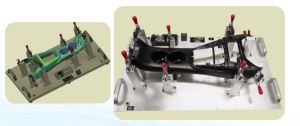
Checking fixtures are used to check the dimensions and shape of a part. They typically have a series of pins, blocks, and other features that are designed to match the shape of the part. To adjust the position of a part in a checking fixture, you'll need to use the pins and blocks to align the part correctly.
Start by placing the part in the fixture and aligning it with the pins and blocks. Use a feeler gauge or other measuring device to check the clearance between the part and the pins and blocks. If the clearance is too large or too small, you'll need to adjust the position of the part.
To adjust the position of the part, you can use a small hammer or other tool to gently tap the part into place. Make sure you're tapping the part in the right direction and not causing any damage to the part or the fixture. After you've made an adjustment, check the measurements again to make sure the part is in the correct position.
CMM Holding Fixtures
CMM holding fixtures are used to hold a part in place while it's being measured by a CMM. They typically have a series of clamps, vises, and other features that are designed to hold the part securely. To adjust the position of a part in a CMM holding fixture, you'll need to use the clamps and vises to align the part correctly.
Start by placing the part in the fixture and aligning it with the clamps and vises. Use a CMM or other measuring device to take accurate measurements of the part. Compare the measurements to the required specifications to see if the part is in the correct position.
If the part isn't in the correct position, you'll need to adjust the position of the clamps and vises. Use a wrench or other tool to loosen the clamps and vises and then move them to the correct position. Tighten the clamps and vises to secure the part in place. After you've made an adjustment, check the measurements again to make sure the part is in the correct position.
Gauges
Gauges are used to measure the dimensions of a part. They typically have a series of probes, pins, and other features that are designed to measure the part accurately. To adjust the position of a part in a gauge, you'll need to use the probes and pins to align the part correctly.
Start by placing the part in the gauge and aligning it with the probes and pins. Use a CMM or other measuring device to take accurate measurements of the part. Compare the measurements to the required specifications to see if the part is in the correct position.
If the part isn't in the correct position, you'll need to adjust the position of the probes and pins. Use a small screwdriver or other tool to adjust the position of the probes and pins. Make sure you're adjusting the probes and pins in the right direction and not causing any damage to the gauge or the part. After you've made an adjustment, check the measurements again to make sure the part is in the correct position.
In conclusion, adjusting the position of parts in checking and CMM fixtures is an important part of the manufacturing process. By following the steps outlined in this blog and using the right tools and techniques, you can ensure that your parts are positioned correctly and meet the required specifications.
If you're in the market for high-quality Checking And CMM Fixtures, be sure to check out our products at Checking Fixtures CMM Holding Fixtures And Gauges. We're a leading Stamping Checking Fixture Manufacturer Supplier and offer a wide range of fixtures and gauges for all your manufacturing needs. We also have Gauges/Checking Fixtures For A/B/C Pillar /Auto Pillar Parts that are designed to meet the specific requirements of the automotive industry.
If you have any questions or would like to learn more about our products, please don't hesitate to contact us. We're always happy to help and look forward to working with you!
References
- "Fixtures and Gauges Design Handbook" by J. A. Schey
- "Precision Measurement and Calibration" by H. E. Oberg
- "Manufacturing Engineering and Technology" by S. Kalpakjian and S. R. Schmid