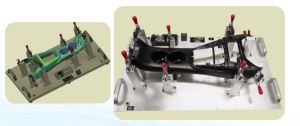
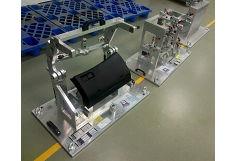
Hey there! As a supplier of Auto Welding Jig in China, I often get asked about the material hardness of these jigs. It's a crucial aspect that can significantly impact the performance and durability of the welding fixtures. So, let's dive right into it and explore what the material hardness of Chinese Auto Welding Jig is all about.
Why Material Hardness Matters
First off, why do we even care about the material hardness of auto welding jigs? Well, these jigs are used in the automotive manufacturing process to hold and position parts during welding. They need to withstand high temperatures, mechanical stress, and repeated use without deforming or wearing out quickly. If the material isn't hard enough, the jig may lose its shape, leading to inaccurate welding and poor-quality products. On the other hand, if it's too hard, it can be brittle and prone to cracking. So, finding the right balance is key.
Common Materials Used
In the world of auto welding jigs, several materials are commonly used, each with its own unique hardness characteristics.
Steel
Steel is one of the most popular materials for auto welding jigs. It's known for its high strength and good hardness. Different types of steel can be used, such as carbon steel and alloy steel. Carbon steel is relatively inexpensive and has decent hardness, but it may not be as corrosion-resistant. Alloy steel, on the other hand, contains additional elements like chromium, nickel, and molybdenum, which enhance its hardness, strength, and corrosion resistance. The hardness of steel can be adjusted through heat treatment processes like quenching and tempering. For example, a well - heat - treated alloy steel jig can have a Rockwell hardness in the range of HRC 40 - 55, which makes it tough enough to handle the rigors of automotive welding.
Aluminum
Aluminum is another material that's sometimes used for auto welding jigs, especially when weight is a concern. It's much lighter than steel, which can be beneficial for robotic welding applications where the fixture needs to be moved around quickly. However, aluminum has a lower hardness compared to steel. The hardness of aluminum alloys used in welding jigs typically ranges from around 20 - 100 on the Brinell hardness scale. To improve its wear resistance, aluminum can be anodized or coated with a hard - wearing material.
Cast Iron
Cast iron is also an option for certain types of auto welding jigs. It has good damping properties, which can help reduce vibrations during the welding process. There are different types of cast iron, such as gray cast iron and ductile cast iron. Gray cast iron has a relatively low hardness, while ductile cast iron has better mechanical properties and a higher hardness. The hardness of cast iron can vary, but it's generally in the range of 150 - 300 on the Brinell hardness scale.
Measuring Material Hardness
There are several methods to measure the hardness of materials used in auto welding jigs. The most common ones include the Rockwell hardness test, the Brinell hardness test, and the Vickers hardness test.
The Rockwell hardness test is widely used because it's quick and relatively easy to perform. It measures the depth of penetration of an indenter into the material under a specific load. The result is expressed on different scales, such as HRA, HRB, and HRC, depending on the type of indenter and the load used.
The Brinell hardness test involves pressing a hard ball of a specific diameter into the material under a known load. The diameter of the indentation left on the material is measured, and the hardness is calculated based on the load and the area of the indentation.
The Vickers hardness test uses a diamond pyramid indenter to make an indentation in the material. The diagonal length of the indentation is measured, and the hardness is determined from the load and the area of the indentation. This test is more accurate for measuring the hardness of small or thin samples.
Impact of Material Hardness on Welding Jig Performance
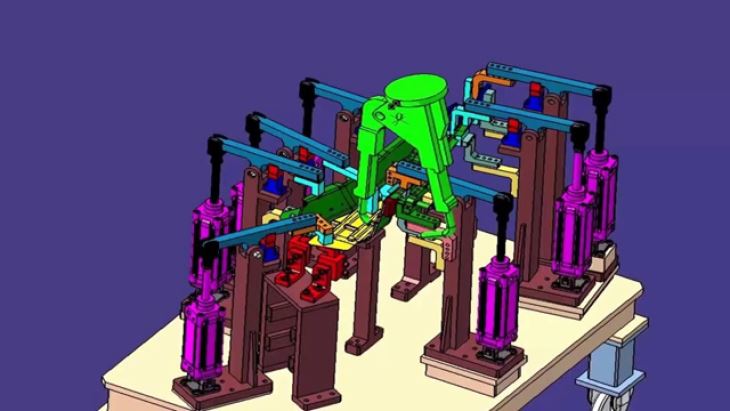
The material hardness of an auto welding jig has a direct impact on its performance. A jig with the right hardness can ensure accurate positioning of the parts during welding. If the jig is too soft, it may deform under the pressure of the welding process, causing the parts to shift and resulting in misaligned welds. This can lead to quality issues and increased production costs.
On the other hand, a jig that's too hard may be difficult to machine and modify. It can also be more prone to cracking if it's subjected to sudden impacts or thermal stress. So, it's important to choose a material with the appropriate hardness for the specific application.
Our Approach as a Supplier
As a supplier of Auto Welding Jig in China, we take material hardness very seriously. We work closely with our customers to understand their specific requirements and choose the right material for their jigs. We have a team of experienced engineers who can analyze the application and recommend the most suitable material and heat treatment process.
We also use advanced manufacturing techniques to ensure that the hardness of the jigs is consistent throughout the production process. Our quality control team conducts regular hardness tests on the jigs to make sure they meet the required standards.
Related Products
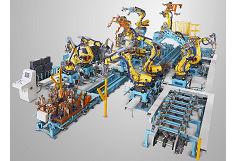
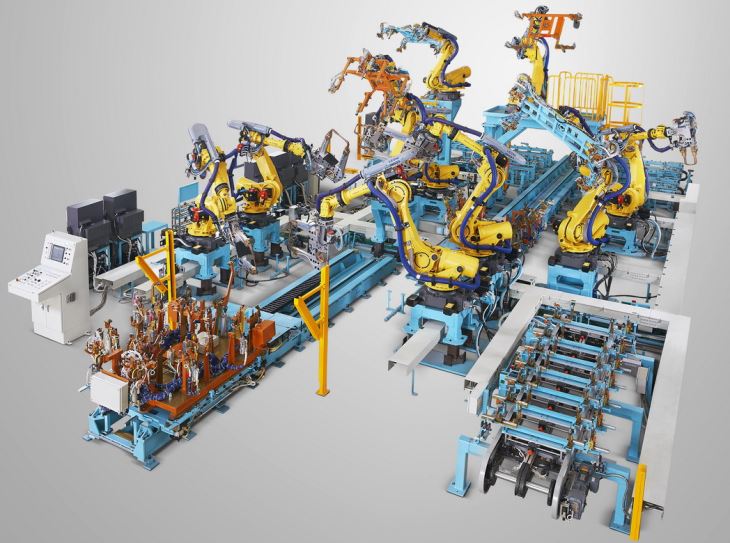
If you're interested in our auto welding jigs, we have a wide range of products to offer. Check out our Auto Pillar Parts Welding Fixture and Robotic Welding Fixture Line. These products are designed with high - quality materials and proper hardness to ensure excellent performance in automotive welding applications.
Let's Connect
If you're in the market for auto welding jigs and want to learn more about the material hardness and how it can benefit your production process, don't hesitate to get in touch with us. We're here to answer your questions and provide you with the best solutions for your automotive welding needs. Whether you need a custom - designed jig or a standard one, we've got you covered.
References
- "Materials Science and Engineering: An Introduction" by William D. Callister Jr. and David G. Rethwisch
- "Welding Handbook" published by the American Welding Society