Hey there! As a supplier of A PILLAR welding fixtures, I'm stoked to dive into what makes the control system of these fixtures tick. So, let's get right into it.
First off, you might be wondering why the control system of an A PILLAR welding fixture is such a big deal. Well, these fixtures are used to hold the A PILLAR parts in place during the welding process. And a top - notch control system is essential for ensuring that the welding is done accurately, efficiently, and safely.
The Basics of the Control System
The control system of an A PILLAR welding fixture is like the brain of the operation. It's responsible for managing all the movements, sequences, and functions of the fixture. There are a few key components that make up this system.
Sensors
Sensors play a crucial role in the control system. They're used to detect the position of the A PILLAR parts, the status of the clamps, and other important parameters. For example, proximity sensors can be used to determine if a part is properly placed in the fixture. If the part isn't in the right position, the control system can stop the welding process to prevent errors.
Actuators
Actuators are what make the fixture move. They can be pneumatic, hydraulic, or electric. Pneumatic actuators are often used because they're relatively inexpensive and easy to control. Hydraulic actuators, on the other hand, can provide more force, which is useful for holding heavy A PILLAR parts in place. Electric actuators offer precise control and can be easily integrated with the control system.
Programmable Logic Controller (PLC)
The PLC is the heart of the control system. It's a specialized computer that can be programmed to control the sequence of operations. You can set up different programs for different types of A PILLAR parts or welding processes. The PLC receives input from the sensors and sends output signals to the actuators to make the fixture move and perform the necessary functions.
How the Control System Works
Let's walk through a typical operation of an A PILLAR welding fixture's control system.
Loading the Part
When an operator loads an A PILLAR part into the fixture, the sensors detect the presence and position of the part. If the part is correctly placed, the sensors send a signal to the PLC.
Clamping
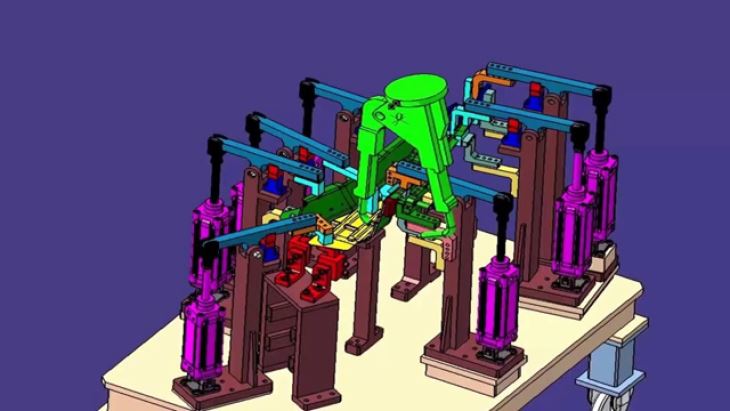
Once the part is in place, the PLC sends a signal to the actuators to activate the clamps. The clamps hold the A PILLAR part firmly in position during the welding process. The control system ensures that the clamps apply the right amount of force, not too much to damage the part and not too little to allow movement.
Welding
After the part is clamped, the control system initiates the welding process. It coordinates with the welding equipment to start and stop the welding at the right times and control the welding parameters such as current, voltage, and speed.
Unloading
Once the welding is complete, the control system sends a signal to the actuators to release the clamps. The operator can then remove the welded A PILLAR part from the fixture.
Benefits of a Good Control System
A well - designed control system for an A PILLAR welding fixture offers several benefits.
Precision
With accurate sensors and precise actuators, the control system can ensure that the A PILLAR parts are welded with high precision. This results in better - quality products and fewer rejects.
Efficiency
The control system can automate the welding process, reducing the need for manual intervention. This leads to faster production times and increased productivity.
Safety
By monitoring the position of the parts and the status of the equipment, the control system can prevent accidents. For example, it can stop the welding process if a part is not properly clamped or if there's a malfunction in the equipment.
Our Offerings
As a supplier of A PILLAR welding fixtures, we offer a range of control systems to meet different customer needs. Our control systems are designed with the latest technology to ensure high performance and reliability.
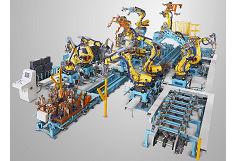
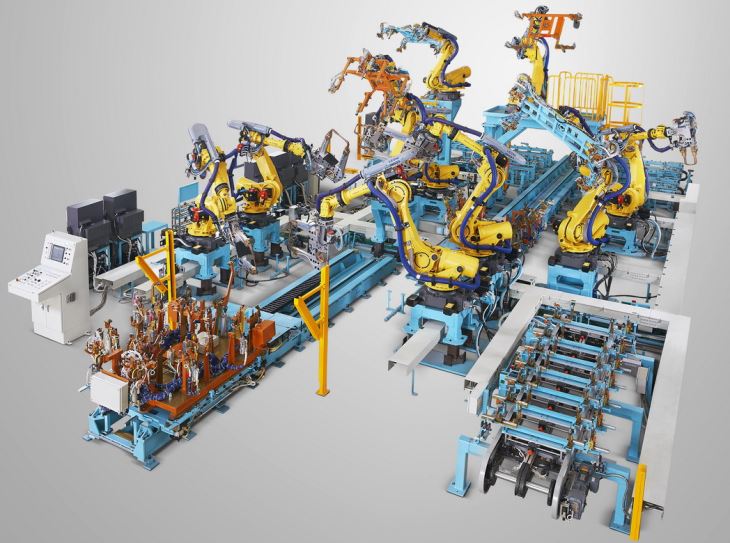
We have the Robotic Welding Fixture Line which is equipped with advanced control systems. These systems can be easily integrated with robotic welding equipment, allowing for seamless automation of the welding process.
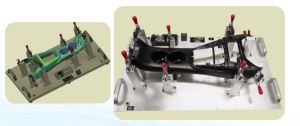
Our Auto Pillar Parts Welding Fixture also comes with a state - of - the - art control system. It's designed to handle different types of A PILLAR parts and can be programmed to perform various welding sequences.
Why Choose Us
We understand that every customer has unique requirements. That's why we offer customized solutions. Our team of experts can work with you to design a control system that fits your specific needs.
We also provide excellent after - sales service. If you have any issues with the control system or the fixture itself, our support team is always ready to help.
Contact Us for Purchase and洽谈
If you're in the market for an A PILLAR welding fixture with a top - notch control system, don't hesitate to get in touch. Whether you're looking for a standard solution or a customized one, we've got you covered. Let's start a conversation and see how we can help you improve your welding process.
References
- Some general textbooks on industrial automation and welding technology.
- Industry reports on the latest trends in welding fixture control systems.