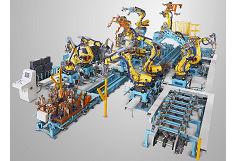
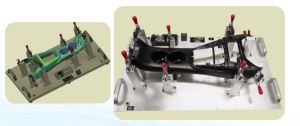
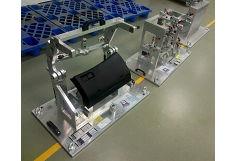
Hey there! As a supplier of Checking And CMM Fixtures, I've had my fair share of experiences dealing with different workshop environments. Today, I'm gonna chat about what the requirements are for the workshop environment when using these fixtures.
Temperature and Humidity
First off, temperature and humidity play a huge role. You see, these fixtures are often made with high - precision components. Even a small change in temperature can cause thermal expansion or contraction. For instance, metals expand when heated and contract when cooled. If the temperature in the workshop fluctuates too much, it can mess up the accuracy of the Checking Fixtures. A stable temperature is key. Usually, it's recommended to keep the workshop temperature within a narrow range, say around 20 - 22 degrees Celsius.
Humidity is also important. High humidity can lead to corrosion on the metal parts of the fixtures. This not only shortens the lifespan of the fixtures but can also affect their measurement accuracy. On the other hand, extremely low humidity can cause static electricity, which might attract dust and debris to the fixtures. So, maintaining a relative humidity of around 40 - 60% is a good idea. You can use air - conditioning and dehumidifiers to control these factors.
Cleanliness
The workshop needs to be clean. Dust, dirt, and other contaminants can have a negative impact on the performance of Checking And CMM Fixtures. When dust particles get into the moving parts of the fixtures, it can cause wear and tear, and even jam the mechanisms. For example, in a Checking Fixture For Plastic Parts, any dirt on the measuring surfaces can lead to inaccurate readings.
Regular cleaning of the workshop floor, workbenches, and the fixtures themselves is essential. You should use appropriate cleaning tools, like soft brushes and lint - free cloths, to clean the fixtures. Also, consider using air filters in the workshop to reduce the amount of airborne dust.
Vibration and Stability
Vibration is another factor that can't be ignored. Checking And CMM Fixtures are designed to provide precise measurements. Even the slightest vibration can cause errors in these measurements. For example, if there are heavy machinery operating nearby that generate vibrations, it can transfer to the fixtures and affect their accuracy.
The workshop should be located in a place away from sources of vibration, like busy roads or large industrial equipment. Also, the workbenches where the fixtures are placed should be stable. You can use anti - vibration pads under the workbenches to absorb any minor vibrations.
Lighting
Good lighting is crucial. When using Checking Fixtures, you need to be able to clearly see the measuring points and the parts being inspected. Poor lighting can lead to misinterpretation of measurements and make it difficult to detect any defects.
Install bright, uniform lighting in the workshop. You can use a combination of overhead lights and task lights. Task lights can be directed towards the fixtures to provide focused illumination, especially for detailed inspection work.
Power Supply
A stable power supply is necessary. Fluctuations in power can cause problems with the electronic components of the CMM fixtures. For example, sudden power outages or voltage spikes can damage the sensors and controllers in the fixtures.
It's a good idea to use uninterruptible power supplies (UPS) to protect the fixtures from power disruptions. The UPS can provide a short - term power supply in case of an outage, allowing you to safely shut down the fixtures.
Ventilation
Proper ventilation is important, especially if the workshop uses any chemicals or solvents for cleaning or other processes. These chemicals can release harmful fumes that can be a health hazard to the workers and can also damage the fixtures over time.
The workshop should have a ventilation system that can effectively remove these fumes. This can be as simple as having windows that can be opened for natural ventilation or as complex as an industrial - grade ventilation system.


Space and Layout
The workshop should have enough space to accommodate the Checking And CMM Fixtures. There should be sufficient clearance around the fixtures for easy access and operation. Also, the layout of the workshop should be well - thought - out. For example, the fixtures should be placed in an area where there is minimal traffic to avoid accidental collisions.
If you're using multiple fixtures, they should be arranged in a logical order to streamline the inspection process. This can improve efficiency and reduce the chances of errors.
Safety
Safety is always a top priority. The workshop should have safety measures in place to protect the workers and the fixtures. For example, there should be safety guards around any moving parts of the fixtures to prevent accidental injuries.
Workers should be trained on how to safely operate the fixtures. They should also wear appropriate personal protective equipment (PPE), like safety glasses and gloves.
Conclusion
In conclusion, creating the right workshop environment for using Checking And CMM Fixtures is crucial for their proper functioning and accurate performance. Temperature, humidity, cleanliness, vibration, lighting, power supply, ventilation, space, and safety all need to be carefully considered.
If you're in the market for high - quality Checking And CMM Fixtures or need more advice on creating the perfect workshop environment for them, don't hesitate to reach out. We're here to help you ensure that your inspection processes are as accurate and efficient as possible.
References
- ISO standards related to metrology and workshop environment
- Industry best practices for using checking and CMM fixtures