As a supplier of Checking Fixtures, I understand the critical role that checking fixture operators play in ensuring the quality and accuracy of manufacturing processes. In this blog post, I will discuss the key requirements for checking fixture operators, which are essential for maintaining high - quality production standards.
Technical Knowledge and Skills
Understanding of Checking Fixtures
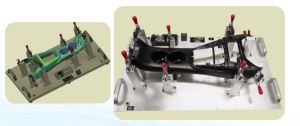
Operators must have a comprehensive understanding of Checking Fixtures. They need to know the different types of checking fixtures, such as mechanical, pneumatic, and electronic fixtures, and how they work. For example, mechanical fixtures rely on physical contact and mechanical components to measure and verify part dimensions, while electronic fixtures use sensors and digital technology for more precise measurements.
A good operator should be able to read and interpret the fixture's design drawings and specifications. This includes understanding the tolerances, measurement points, and the purpose of each component of the fixture. They should also be familiar with the materials used in the construction of the fixtures, as different materials can affect the accuracy and durability of the measurements.
Knowledge of Measurement Tools
Proficiency in using various measurement tools is a must. Operators should be well - versed in the use of calipers, micrometers, gauges, and coordinate measuring machines (CMMs). They need to know how to calibrate these tools correctly to ensure accurate measurements. For instance, a caliper needs to be zeroed before each use, and its accuracy should be verified regularly according to the manufacturer's instructions.
When it comes to Checking And CMM Fixtures, operators should understand how to integrate the fixtures with the CMMs. They need to know how to program the CMMs to perform the required measurements and how to analyze the data obtained from the measurements. This knowledge is crucial for detecting any deviations from the design specifications.
Ability to Read Blueprints and Drawings
Reading and understanding blueprints and engineering drawings is an essential skill for checking fixture operators. Blueprints provide detailed information about the part's dimensions, tolerances, and features. Operators should be able to identify the critical dimensions and features that need to be checked using the fixtures. They also need to understand the geometric dimensioning and tolerancing (GD&T) symbols used in the drawings, as these symbols define the allowable variations in the part's shape, size, and orientation.
Quality and Safety Awareness
Quality Control Principles
Operators must be well - acquainted with quality control principles. They should understand the importance of maintaining high - quality standards in the manufacturing process. This includes knowing how to conduct inspections at different stages of production to detect and correct any defects early. For example, they should perform in - process inspections to ensure that the parts being produced meet the required specifications before they are assembled or further processed.
Operators should also be able to use statistical process control (SPC) techniques to monitor the quality of the production process. SPC involves collecting and analyzing data from the measurements to identify any trends or patterns that may indicate a potential quality issue. By using SPC, operators can take proactive measures to prevent quality problems from occurring.
Safety Procedures
Safety is of utmost importance in the workplace. Checking fixture operators should be trained in safety procedures related to the operation of the fixtures and the measurement tools. They need to wear appropriate personal protective equipment (PPE), such as safety glasses, gloves, and ear protection, depending on the nature of the work.
Operators should also be aware of the potential hazards associated with the fixtures and the measurement tools. For example, some fixtures may have sharp edges or moving parts that can cause injuries if not handled properly. They need to follow the safety guidelines for operating, maintaining, and storing the fixtures to prevent accidents.
Problem - Solving and Communication Skills
Problem - Solving Abilities
During the operation of checking fixtures, operators may encounter various problems, such as measurement errors, fixture malfunctions, or part defects. They need to have strong problem - solving abilities to address these issues promptly. For example, if a measurement shows a deviation from the specifications, the operator should be able to troubleshoot the problem by checking the fixture's calibration, the measurement tool's accuracy, or the part's manufacturing process.
Operators should also be able to make decisions on whether a part is acceptable or not based on the measurement results and the quality standards. In case of a borderline situation, they need to consult with the quality control team or the engineering department to determine the appropriate course of action.
Communication Skills
Effective communication is essential for checking fixture operators. They need to communicate with other members of the production team, such as machinists, assemblers, and quality control inspectors. For example, if an operator detects a defect in a part, they need to communicate this information clearly to the relevant personnel so that corrective actions can be taken.
Operators should also be able to communicate with the engineering department if they encounter any issues with the fixtures or the measurement tools. They can provide valuable feedback on the performance of the fixtures and suggest improvements if necessary. Good communication skills also involve the ability to write clear and accurate reports on the inspection results.
Training and Certification
Formal Training
Operators should receive formal training in checking fixture operation. This training can be provided by the supplier, such as our company, or through vocational training programs. The training should cover all aspects of checking fixture operation, including the technical knowledge, quality control principles, and safety procedures.
The training should also include hands - on practice with the fixtures and the measurement tools. Operators should be given the opportunity to work with different types of fixtures and measurement tools to gain practical experience. This hands - on training is crucial for developing the skills and confidence needed to perform the job effectively.
Certification
Obtaining relevant certifications can enhance an operator's credibility and employability. There are several certifications available in the field of metrology and quality control, such as the Certified Quality Technician (CQT) and the Certified Metrology Technician (CMT) certifications. These certifications demonstrate that the operator has met the industry - recognized standards in terms of knowledge and skills.
Maintenance and Calibration Skills
Fixture Maintenance
Operators should be responsible for the basic maintenance of the checking fixtures. This includes cleaning the fixtures regularly to prevent the accumulation of dirt and debris, which can affect the accuracy of the measurements. They should also check the fixtures for any signs of wear and tear, such as loose parts or damaged components, and report these issues immediately.
Operators should follow the manufacturer's recommended maintenance schedule for the fixtures. For example, some fixtures may require lubrication at regular intervals to ensure smooth operation. By performing proper maintenance, operators can extend the lifespan of the fixtures and ensure their reliable performance.
Calibration
Calibration is a critical aspect of checking fixture operation. Operators should be able to perform routine calibration of the fixtures and the measurement tools. They need to understand the calibration procedures and the frequency of calibration required. For example, a CMM may need to be calibrated daily or weekly, depending on its usage and the accuracy requirements.
Operators should also keep accurate records of the calibration results. These records can be used to demonstrate the traceability of the measurements and to ensure that the fixtures and the measurement tools are operating within the specified accuracy limits.


Adaptability and Continuous Learning
Adaptability to New Technologies
The field of checking fixtures is constantly evolving, with new technologies and materials being introduced regularly. Operators should be adaptable and willing to learn about new technologies. For example, the development of advanced sensors and digital measurement systems has made it possible to perform more accurate and efficient measurements. Operators should be able to learn how to use these new technologies and integrate them into their work.
Continuous Learning
Continuous learning is essential for checking fixture operators to keep up with the latest industry trends and best practices. They should participate in training programs, workshops, and seminars to enhance their knowledge and skills. By continuously learning, operators can improve their performance and contribute to the overall improvement of the manufacturing process.
In conclusion, the requirements for checking fixture operators are diverse and demanding. Technical knowledge, quality and safety awareness, problem - solving and communication skills, training and certification, maintenance and calibration skills, and adaptability are all essential for ensuring the accurate and efficient operation of checking fixtures. As a Sunyuu Gauges And Checking Fixtures supplier, we are committed to providing high - quality fixtures and supporting our customers with well - trained operators. If you are interested in our products or need more information about checking fixture operators, please feel free to contact us for procurement and further discussions.
References
- ASQ (American Society for Quality). Quality Handbook.
- ISO (International Organization for Standardization) standards related to metrology and quality control.
- Manufacturer's manuals for checking fixtures and measurement tools.