Hey there! As a supplier of Auto Welding Jig in China, I've seen firsthand how important it is to store these tools properly. A well - stored welding jig not only lasts longer but also ensures consistent and high - quality welding results. So, let's dive into how you can store your Chinese Auto Welding Jig the right way.
1. Clean Before Storage
Before you even think about putting your welding jig away, you gotta clean it up. Welding leaves behind all sorts of debris like metal shavings, spatter, and flux residues. If you don't clean these off, they can cause corrosion over time and damage the jig.
Use a wire brush to remove any loose debris. For stubborn spatter, you might need a grinder or a specialized spatter remover. Once you've removed the big stuff, wipe the jig down with a clean, dry cloth. If there are any hard - to - reach areas, compressed air can be a great help to blow out the remaining particles.
2. Choose the Right Storage Location
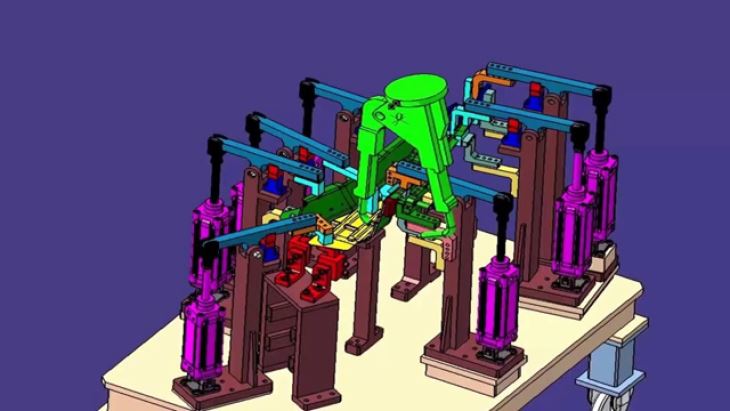
The location where you store your welding jig matters a whole lot. You want a place that's dry, cool, and free from excessive dust. Humidity is the enemy of metal, as it can lead to rust and corrosion. If possible, store the jigs in an indoor facility with climate control.
Avoid areas near open windows or doors where rain or moisture can easily get in. Also, stay away from areas with high traffic where the jigs could be accidentally bumped or knocked over. If you're storing multiple jigs, make sure there's enough space between them to prevent scratching or damage during handling.
3. Use Protective Covers
Invest in good - quality protective covers for your welding jigs. These covers can shield the jigs from dust, dirt, and minor impacts. You can find covers made of various materials like plastic, fabric, or rubber.
Plastic covers are great for keeping out moisture and dust. They're usually clear, so you can easily see what's inside without having to remove the cover. Fabric covers are more breathable, which can be useful if you're worried about condensation forming inside the cover. Rubber covers, on the other hand, offer good protection against impacts.
4. Organize and Label
Organization is key when it comes to storing your welding jigs. Create a system where you can easily find the jig you need when you need it. You can use shelves, racks, or cabinets to store the jigs.
Label each storage location clearly with the name or type of the jig. You can also use a numbering system or a barcode system for more efficient tracking. This way, you won't waste time searching for the right jig, and you'll reduce the risk of misplacing or losing them.
5. Regular Inspections
Even when your jigs are in storage, you should still check on them regularly. Set a schedule for inspections, say once a month or every few weeks. During these inspections, look for any signs of damage, corrosion, or wear.
If you notice any issues, address them right away. Minor scratches or dents can be repaired, but if there's significant damage, you might need to replace the jig. Regular inspections also give you a chance to clean the jigs again if they've collected any dust or debris during storage.
6. Lubrication
Some parts of the welding jig, like moving components or adjustable parts, may require lubrication. Lubrication helps to prevent rust, reduce friction, and ensure smooth operation.
Use a high - quality lubricant that's suitable for the type of metal and the operating conditions of the jig. Apply the lubricant according to the manufacturer's instructions. Be careful not to over - lubricate, as excess lubricant can attract dust and dirt.
7. Store in the Right Position
Make sure to store the welding jigs in the correct position. Some jigs are designed to be stored in a specific orientation to prevent warping or damage. For example, if a jig has a long, thin component, storing it horizontally might cause it to bend over time.
Refer to the manufacturer's guidelines for the recommended storage position. If there are no specific instructions, use common sense. Try to keep the jig in a position where it's evenly supported and not under any unnecessary stress.
Special Considerations for Different Types of Welding Jigs
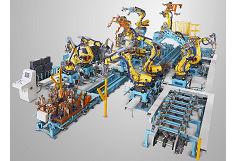
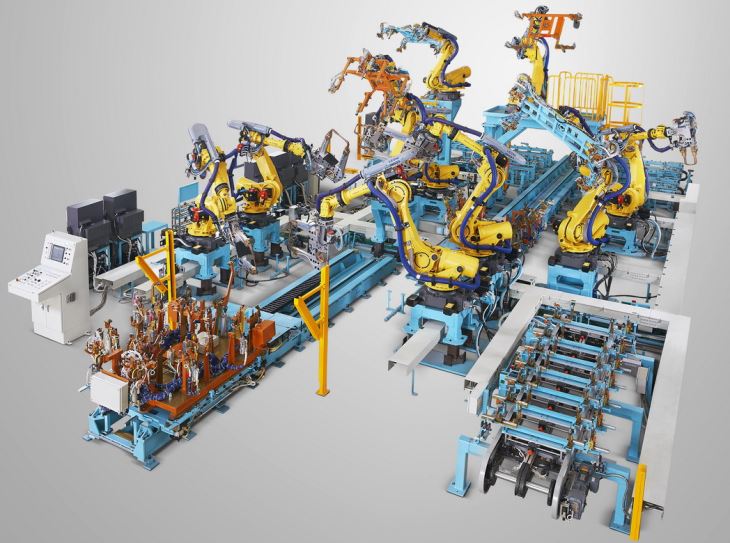
Robotic Welding Fixture Line
The Robotic Welding Fixture Line is a complex and precise piece of equipment. When storing it, pay extra attention to the electrical and mechanical components.
Keep the electrical connections clean and protected from moisture. Cover the robotic arms and other moving parts to prevent dust from getting into the joints and motors. Also, make sure the programming and calibration data are backed up and stored safely.
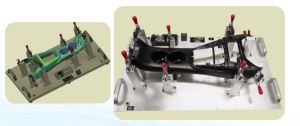
Auto Pillar Parts Welding Fixture
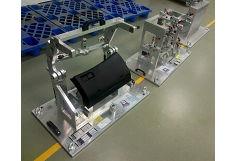
The Auto Pillar Parts Welding Fixture is designed to hold specific auto parts in place during welding. These fixtures often have custom - made shapes and sizes.
When storing them, make sure they're stored in a way that doesn't deform the shape. Use foam padding or soft materials to protect the contact surfaces of the fixture. This will ensure that the fixture maintains its accuracy and precision for future use.
In conclusion, proper storage of Chinese Auto Welding Jigs is essential for their longevity and performance. By following these tips, you can keep your jigs in top condition and save money in the long run.
If you're in the market for high - quality Auto Welding Jigs, we're here to help. We offer a wide range of jigs that are designed to meet the needs of different welding applications. Whether you need a simple fixture or a complex robotic welding line, we've got you covered. Contact us for more information and to discuss your specific requirements. We're always happy to have a chat and help you find the perfect solution for your welding needs.
References
- Welding Jig Handbook: A Guide to Welding Jig Design and Maintenance
- Metalworking and Welding Best Practices Manual