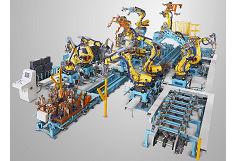
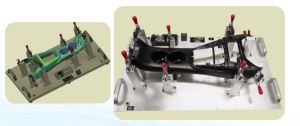
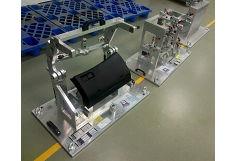
In the automotive manufacturing industry, precision and efficiency are of paramount importance. One crucial element that significantly contributes to achieving these goals is the A PILLAR welding fixture. As a leading supplier of A PILLAR welding fixtures, I have witnessed firsthand the numerous advantages that these fixtures bring to the table. In this blog post, I will delve into the key benefits of using an A PILLAR welding fixture and explain why it is a game-changer for automotive manufacturers.
1. Enhanced Precision and Quality
One of the primary advantages of using an A PILLAR welding fixture is the ability to achieve unparalleled precision in the welding process. These fixtures are meticulously designed and engineered to hold the A PILLAR components in place with extreme accuracy, ensuring that each weld is made exactly where it needs to be. This level of precision is crucial for maintaining the structural integrity of the A PILLAR and, ultimately, the safety of the vehicle.
When welding without a fixture, there is a higher risk of misalignment and inconsistent welds. This can lead to weak joints, uneven stress distribution, and potential structural failures. In contrast, an A PILLAR welding fixture eliminates these issues by providing a stable and repeatable platform for the welding process. The fixtures are equipped with precise clamping mechanisms that securely hold the components in place, preventing any movement or shifting during welding. This results in consistent, high-quality welds that meet or exceed industry standards.
Moreover, the use of an A PILLAR welding fixture allows for better control over the welding parameters. The fixture can be designed to accommodate specific welding techniques and equipment, ensuring that the welds are made with the optimal heat input, welding speed, and electrode angle. This level of control further enhances the quality of the welds and reduces the likelihood of defects such as porosity, cracks, or incomplete fusion.
2. Increased Efficiency and Productivity
In addition to improving precision and quality, A PILLAR welding fixtures also offer significant efficiency and productivity gains. These fixtures are designed to streamline the welding process, reducing the time and labor required to produce each A PILLAR assembly.
One of the key ways in which A PILLAR welding fixtures increase efficiency is by reducing setup time. Traditional welding methods often require extensive manual setup and alignment of the components, which can be time-consuming and prone to errors. In contrast, A PILLAR welding fixtures are pre-configured to hold the components in the correct position, eliminating the need for manual alignment. This allows operators to quickly and easily load the components into the fixture and start the welding process, reducing setup time from hours to minutes.
Furthermore, A PILLAR welding fixtures enable simultaneous welding of multiple components. The fixtures can be designed to hold multiple A PILLAR components at once, allowing for multiple welds to be made simultaneously. This significantly reduces the overall welding time and increases the production rate. For example, instead of welding each A PILLAR component individually, an operator can load multiple components into the fixture and weld them all at the same time, effectively multiplying the output.
Another advantage of A PILLAR welding fixtures is their compatibility with automated welding systems. Many modern A PILLAR welding fixtures are designed to work seamlessly with robotic welding systems, allowing for fully automated welding processes. Robotic welding systems offer several benefits, including increased speed, precision, and consistency. They can operate 24/7 without fatigue, resulting in higher productivity and reduced labor costs. By integrating an A PILLAR welding fixture with a robotic welding system, automotive manufacturers can achieve even greater efficiency and productivity gains.
3. Cost Savings
The use of an A PILLAR welding fixture can also result in significant cost savings for automotive manufacturers. While the initial investment in a welding fixture may seem substantial, the long-term benefits far outweigh the costs.
One of the primary ways in which A PILLAR welding fixtures save costs is by reducing scrap and rework. As mentioned earlier, these fixtures ensure precise alignment and consistent welds, minimizing the likelihood of defects and the need for rework. This reduces the amount of scrap material generated during the welding process, saving on raw material costs. Additionally, by reducing the need for rework, manufacturers can save on labor costs and increase overall productivity.
Another cost-saving advantage of A PILLAR welding fixtures is their durability and longevity. These fixtures are typically made from high-quality materials and are designed to withstand the rigors of the welding process. They require minimal maintenance and can last for many years, providing a reliable and cost-effective solution for automotive manufacturers. In contrast, traditional welding methods may require frequent replacement of tools and equipment, which can be costly over time.
Furthermore, the increased efficiency and productivity offered by A PILLAR welding fixtures can lead to significant cost savings in terms of labor. By reducing the time and labor required to produce each A PILLAR assembly, manufacturers can lower their labor costs and increase their competitiveness in the market. Additionally, the use of automated welding systems in conjunction with A PILLAR welding fixtures can further reduce labor costs by eliminating the need for manual welding operators.
4. Flexibility and Adaptability
A PILLAR welding fixtures offer a high degree of flexibility and adaptability, making them suitable for a wide range of automotive applications. These fixtures can be customized to meet the specific requirements of different A PILLAR designs and welding processes.
One of the key features of A PILLAR welding fixtures is their modular design. The fixtures are typically composed of multiple modules that can be easily assembled and disassembled, allowing for quick and easy reconfiguration. This modular design makes it possible to adapt the fixture to different A PILLAR sizes, shapes, and welding requirements. For example, if a manufacturer needs to produce a different model of A PILLAR, they can simply reconfigure the fixture by replacing or adjusting the appropriate modules, rather than purchasing an entirely new fixture.
In addition to their modular design, A PILLAR welding fixtures can also be equipped with adjustable clamping mechanisms and定位 pins. These features allow for fine-tuning of the fixture to accommodate different component tolerances and ensure a perfect fit. This flexibility is particularly important in the automotive industry, where component tolerances can vary depending on the manufacturing process and the supplier.
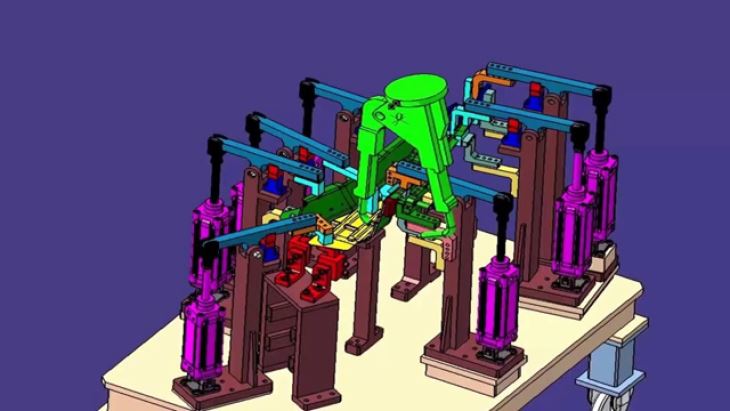
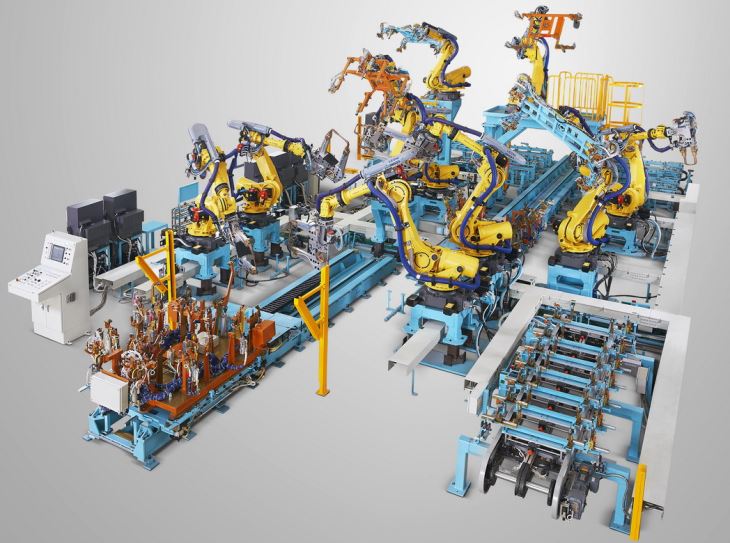
Moreover, A PILLAR welding fixtures can be designed to work with a variety of welding techniques and equipment. Whether it is MIG welding, TIG welding, or resistance welding, the fixture can be customized to accommodate the specific welding process. This versatility allows automotive manufacturers to choose the most suitable welding method for their application, ensuring optimal results.
5. Improved Safety
Safety is a top priority in the automotive manufacturing industry, and A PILLAR welding fixtures play a crucial role in ensuring a safe working environment. These fixtures are designed with safety features that protect operators from potential hazards associated with the welding process.
One of the key safety features of A PILLAR welding fixtures is their ergonomic design. The fixtures are typically designed to be easy to operate and maintain, with minimal physical exertion required from the operator. This reduces the risk of repetitive strain injuries and other musculoskeletal disorders. Additionally, the fixtures are equipped with safety guards and shields that protect the operator from sparks, heat, and fumes generated during welding.
Another safety advantage of A PILLAR welding fixtures is their ability to reduce the risk of accidents caused by component movement or shifting during welding. The precise clamping mechanisms of the fixtures securely hold the components in place, preventing any unexpected movement that could result in injury to the operator or damage to the equipment.
Furthermore, A PILLAR welding fixtures can be integrated with safety sensors and interlocks to ensure that the welding process is only initiated when all safety conditions are met. For example, the fixture can be equipped with sensors that detect the presence of the components and the proper alignment of the clamping mechanisms. If any safety condition is not met, the welding process will automatically stop, preventing potential accidents.
Conclusion
In conclusion, the advantages of using an A PILLAR welding fixture are numerous and significant. From enhanced precision and quality to increased efficiency and productivity, cost savings, flexibility, and improved safety, these fixtures offer a comprehensive solution for automotive manufacturers looking to optimize their welding processes.
As a supplier of A PILLAR welding fixtures, I am committed to providing high-quality, reliable, and innovative solutions that meet the specific needs of our customers. Our fixtures are designed and manufactured using the latest technology and materials, ensuring optimal performance and durability. We also offer customized solutions to meet the unique requirements of different automotive applications.
If you are an automotive manufacturer looking to improve the quality, efficiency, and productivity of your A PILLAR welding process, I encourage you to consider using our A PILLAR welding fixtures. To learn more about our products and services, please visit our website at Auto Pillar Parts Welding Fixture or Robotic Welding Fixture Line. Our team of experts is ready to assist you in finding the right solution for your needs. Contact us today to start a discussion about your requirements and explore how our A PILLAR welding fixtures can benefit your business.
References
- Automotive Welding Technology Handbook
- Precision Welding Fixture Design and Manufacturing Guide
- Welding Process Optimization for Automotive Applications