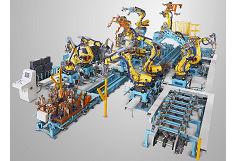
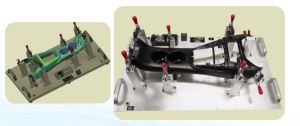
Hey there! As a supplier of A PILLAR welding fixtures, I've been in the game for quite a while, and I've seen firsthand the importance of getting the design principles right. In this blog, I'm gonna break down the key design principles of an A PILLAR welding fixture, so you can understand what goes into making these essential tools.
1. Accuracy and Precision
First off, accuracy and precision are non - negotiable when it comes to A PILLAR welding fixtures. The A PILLAR is a critical part of a vehicle's structure, and any deviation in its welding can lead to serious safety issues. So, the fixture has to hold the A PILLAR components in the exact position and orientation required for welding.
We use high - quality materials and advanced machining techniques to ensure that the fixture has tight tolerances. For example, the locating pins and surfaces are machined to within a few thousandths of an inch. This precision is what allows for consistent and accurate welding, which in turn ensures that the final A PILLAR meets all the necessary quality standards.
2. Rigidity and Stability
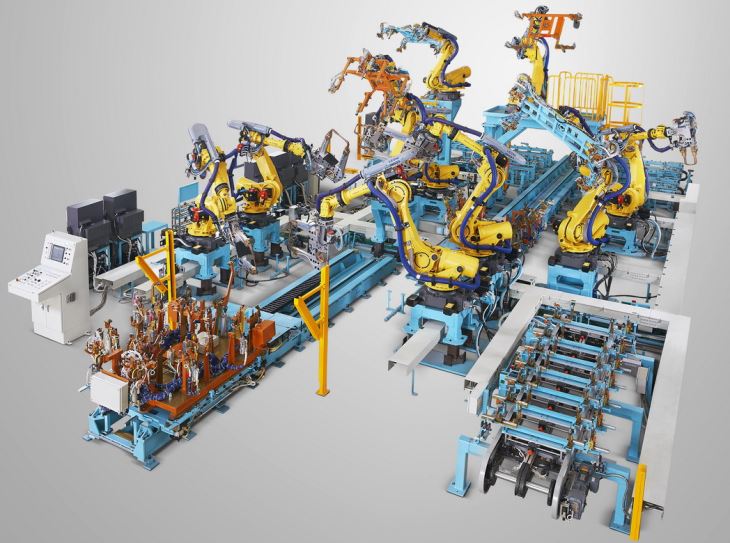
A welding fixture needs to be rock - solid. During the welding process, there are a lot of forces at play, including the heat from the welding arc, the pressure from the welding gun, and the movement of the robotic arm (if you're using a Robotic Welding Fixture Line). If the fixture isn't rigid enough, it can flex or vibrate, causing misalignment of the components and poor - quality welds.
We design our fixtures with heavy - duty frames and supports. The base of the fixture is usually made of thick steel plates, and the structure is reinforced to withstand the forces generated during welding. This rigidity also helps to extend the lifespan of the fixture, as it reduces wear and tear.
3. Ease of Use
Let's face it, if a welding fixture is too complicated to use, it's gonna slow down the production process. That's why ease of use is a major design principle. The fixture should be easy to load and unload the A PILLAR components. There should be clear access points for the welding gun, and the controls should be intuitive.
For instance, we use quick - release clamps and fixtures that can be adjusted easily. This allows the operators to set up the fixture quickly and start welding without wasting a lot of time. Also, the design should be ergonomic, so that the operators can work comfortably for long periods.
4. Adaptability
The automotive industry is constantly evolving, and new models of vehicles are being introduced all the time. An A PILLAR welding fixture needs to be adaptable to different A PILLAR designs. This means that it should be possible to modify the fixture to accommodate changes in the shape, size, or features of the A PILLAR.
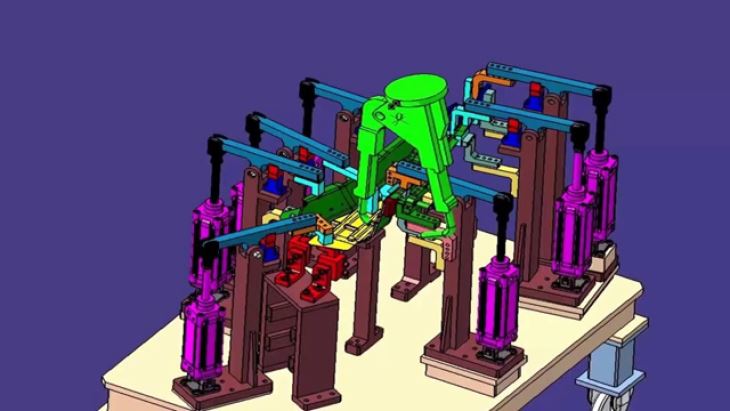
We design our fixtures with modular components. This allows us to swap out certain parts of the fixture to fit different A PILLAR requirements. For example, the locating pins and clamps can be easily replaced or adjusted. This adaptability not only saves money in the long run but also makes it easier for our customers to keep up with the changing market demands.
5. Safety
Safety is always a top priority. The welding process involves high temperatures, electrical currents, and potentially harmful fumes. The A PILLAR welding fixture should be designed with safety features to protect the operators.
We incorporate features like safety guards to prevent accidental contact with the welding area. The fixture also has proper grounding to prevent electrical shocks. Additionally, we ensure that the fixture is designed in such a way that it minimizes the risk of fire or explosion.
6. Cost - Effectiveness
In today's competitive market, cost - effectiveness is crucial. We understand that our customers are looking for high - quality A PILLAR welding fixtures at a reasonable price. That's why we focus on optimizing the design to reduce manufacturing costs without compromising on quality.
We use cost - effective materials without sacrificing strength and durability. Our design process also takes into account the long - term operating costs, such as maintenance and energy consumption. By keeping these costs low, we can offer our customers a more affordable solution.
7. Compatibility with Welding Equipment
The A PILLAR welding fixture needs to be compatible with the welding equipment being used. Whether it's a manual welding gun or a robotic welding system, the fixture should be designed to work seamlessly with it.
We ensure that the fixture has the right mounting points and clearances for the welding equipment. For example, if you're using a Auto Pillar Parts Welding Fixture with a robotic welding arm, the fixture should be designed to allow the arm to move freely and access all the welding points.
8. Maintenance and Serviceability
A well - designed A PILLAR welding fixture should be easy to maintain and service. Over time, parts of the fixture may wear out or need to be replaced. The design should allow for easy access to these parts for inspection and maintenance.
We design our fixtures with removable panels and access ports. This makes it easy to clean the fixture, lubricate moving parts, and replace worn - out components. Regular maintenance not only extends the lifespan of the fixture but also ensures that it continues to perform at its best.
Conclusion
So, there you have it, the key design principles of an A PILLAR welding fixture. Accuracy, rigidity, ease of use, adaptability, safety, cost - effectiveness, compatibility, and maintenance are all important factors that go into creating a high - quality fixture.
If you're in the market for an A PILLAR welding fixture, or if you have any questions about our products, don't hesitate to reach out. We're here to help you find the best solution for your welding needs. Whether you're a small - scale workshop or a large - scale automotive manufacturer, we've got the expertise and the products to meet your requirements. Let's start a conversation and see how we can work together to improve your welding process.
References
- Automotive Welding Handbook
- Principles of Fixture Design in Manufacturing
- Best Practices in Welding Fixture Engineering