Troubleshooting common problems with a Robotic MIG Weld Fixture is crucial for maintaining efficient and high - quality welding operations. As a supplier of Robotic MIG Weld Fixtures, I've encountered a wide range of issues over the years. In this blog, I'll share some practical tips on how to identify and resolve these common problems.
Misalignment of the Workpiece
One of the most frequent issues in Robotic MIG Weld Fixtures is workpiece misalignment. This can lead to inconsistent welds, poor joint quality, and even damage to the fixture itself. There are several reasons why misalignment might occur.
First, wear and tear on the fixture components can cause a shift in the position of the clamping mechanisms. Over time, the repeated use of the fixture can lead to the loosening of bolts or the deformation of clamping jaws. To address this, regular inspections of the fixture are essential. Check for any signs of wear, such as loose parts or worn - out surfaces. Tighten all bolts and replace any damaged components promptly.
Another cause of misalignment can be improper loading of the workpiece. Operators might not place the workpiece correctly within the fixture, leading to inaccurate positioning. Training the operators on the correct loading procedures is vital. Provide them with clear instructions and visual aids on how to place the workpiece precisely in the fixture.
If misalignment persists even after checking the fixture components and operator training, it could be due to issues with the robotic arm's calibration. The robotic arm needs to be calibrated accurately to ensure that it picks up and places the workpiece correctly in the fixture. Consult the robotic arm's user manual for calibration procedures or seek the help of a professional technician if needed.
Weld Quality Issues
Poor weld quality is another common problem in Robotic MIG Welding. This can manifest as inconsistent bead appearance, lack of fusion, or excessive spatter.
Inconsistent bead appearance can be caused by unstable wire feed. The wire feed speed and tension need to be properly adjusted. Check the wire feeder for any blockages or kinks in the wire. Clean the wire feed rollers regularly to ensure smooth feeding. Adjust the wire feed speed according to the welding parameters recommended for the specific workpiece material and thickness.
Lack of fusion occurs when the weld metal does not properly bond with the base metal. This can be due to insufficient heat input. Check the welding current and voltage settings. Make sure they are within the appropriate range for the material being welded. Also, check the travel speed of the robotic arm. If the travel speed is too fast, there may not be enough time for the weld to penetrate the base metal.
Excessive spatter is often a result of incorrect shielding gas flow. The shielding gas protects the weld pool from atmospheric contamination. If the gas flow is too low, there will not be enough protection, leading to spatter. Check the gas regulator and ensure that the gas flow rate is set correctly according to the welding process requirements.
Electrical Problems
Electrical issues can also cause problems in Robotic MIG Weld Fixtures. Faulty electrical connections can lead to intermittent welding or even complete failure of the welding process.
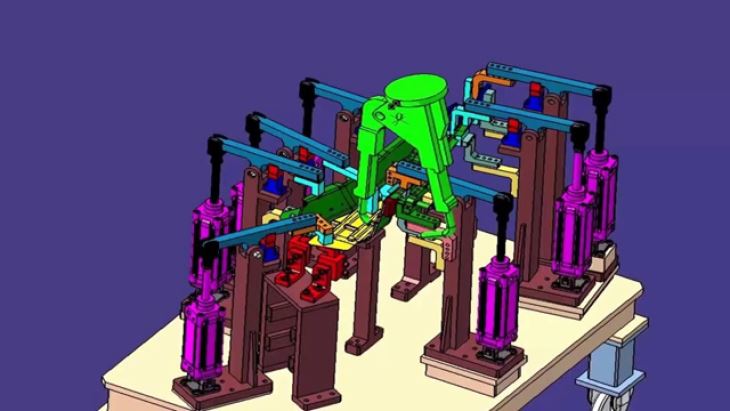
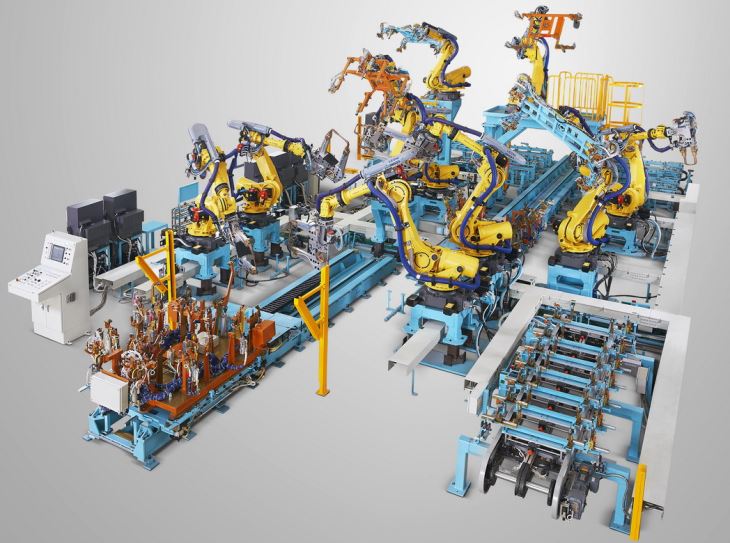
Inspect all electrical cables and connectors for any signs of damage, such as frayed wires or loose connections. Tighten all electrical connections and replace any damaged cables immediately.
The welding power source is another critical component. Check the power source for any error messages or abnormal readings. If the power source is not functioning properly, it may need to be serviced or replaced. Consult the manufacturer's guidelines for troubleshooting the power source.
Fixture Jamming
Fixture jamming can occur when the clamping mechanisms do not operate smoothly. This can prevent the workpiece from being loaded or unloaded properly.
Lack of lubrication is a common cause of fixture jamming. Regularly lubricate all moving parts of the fixture, such as the clamping jaws and slides. Use a high - quality lubricant recommended for the fixture's materials.
Debris or foreign objects in the fixture can also cause jamming. Clean the fixture regularly to remove any metal shavings, dust, or other debris. Inspect the fixture for any signs of blockages and clear them if found.
Maintenance and Preventive Measures
To avoid these common problems, regular maintenance of the Robotic MIG Weld Fixture is essential. Create a maintenance schedule that includes tasks such as cleaning, lubrication, inspection of components, and calibration of the robotic arm.
Keep detailed records of all maintenance activities. This will help you track the performance of the fixture over time and identify any recurring issues.
Invest in high - quality replacement parts. Using sub - standard parts can lead to more frequent breakdowns and reduced fixture lifespan.
Conclusion
Troubleshooting common problems with a Robotic MIG Weld Fixture requires a systematic approach. By addressing issues such as misalignment, weld quality, electrical problems, and fixture jamming, you can ensure the smooth operation of your welding process.
If you are facing persistent problems with your Robotic MIG Weld Fixture or are looking to upgrade your existing setup, we are here to help. As a leading supplier of Auto Pillar Parts Welding Fixture and Robotic Welding Fixture Line, we have the expertise and experience to provide you with the best solutions. Contact us today to discuss your requirements and explore how we can assist you in optimizing your welding operations.
References
- "Robotic Welding Handbook" by John Doe
- Manufacturer's manuals of the Robotic MIG Weld Fixture, robotic arm, and welding power source.