What are the costs associated with purchasing checking and CMM fixtures?
Hey there! If you're in the manufacturing game, you've probably heard of checking and CMM fixtures. As a supplier of Checking And CMM Fixtures, I've had my fair share of chats with folks looking to buy these things. And one of the most common questions I get is about the costs. So, let's break it down.
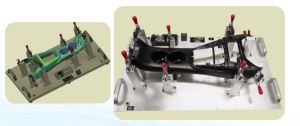
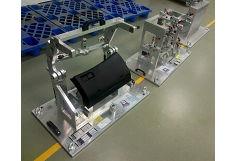
First off, what are checking and CMM fixtures anyway? Checking fixtures are tools used to verify the dimensions and features of a part. They're like a quality control checkpoint, making sure that the parts coming off the production line meet the required specifications. CMM (Coordinate Measuring Machine) fixtures, on the other hand, are used in conjunction with CMMs to accurately measure the dimensions of a part. They hold the part in place, allowing the CMM to take precise measurements.
Now, let's talk about the costs. There are several factors that can influence the price of checking and CMM fixtures.
Design and Engineering Costs
The design and engineering phase is where it all starts. Creating a custom checking or CMM fixture isn't a one - size - fits - all deal. Each fixture needs to be tailored to the specific part it's going to measure. This involves a team of engineers who will analyze the part's geometry, tolerances, and the production process. They'll use advanced software to design the fixture, taking into account things like accessibility for measurement probes, ease of part loading and unloading, and durability.
The cost of design and engineering can vary widely depending on the complexity of the part. A simple part with straightforward dimensions might cost a few thousand dollars to design, while a highly complex part with intricate features could run you tens of thousands. For example, if you're dealing with a part for the aerospace industry that has very tight tolerances and complex curves, the design process will be more time - consuming and thus more expensive.
Material Costs
The materials used to build the fixture also play a big role in the overall cost. There are different types of materials available, each with its own set of properties and price points.
- Aluminum: It's a popular choice because it's lightweight, easy to machine, and has good corrosion resistance. Aluminum fixtures are relatively affordable, making them a great option for many applications. However, they may not be as rigid as some other materials, which could be a drawback for high - precision measurements.
- Steel: Steel is known for its strength and rigidity. It can withstand heavy use and is less likely to deform over time. But steel is also heavier and more expensive than aluminum. If you need a fixture that can handle high - stress situations or provide extremely accurate measurements, steel might be the way to go.
- Composite Materials: These are a newer option in the fixture - making world. Composites offer a combination of properties, such as high strength - to - weight ratio and low thermal expansion. They can be more expensive than aluminum and steel, but they can also provide unique benefits for certain applications.
Manufacturing Costs
Once the design is finalized and the materials are selected, it's time to start manufacturing the fixture. The manufacturing process involves cutting, shaping, and assembling the various components of the fixture.


- Machining: This is the most common manufacturing method for checking and CMM fixtures. It involves using CNC (Computer Numerical Control) machines to cut and shape the materials with high precision. The cost of machining depends on the complexity of the design, the type of material, and the number of operations required. For example, a fixture with a lot of holes, slots, and complex contours will take longer to machine and will therefore cost more.
- Assembly: After the individual components are machined, they need to be assembled into a complete fixture. This may involve welding, bolting, or using adhesives. The assembly process also requires skilled labor, and the cost can add up, especially if the fixture has a large number of parts or requires a high level of precision during assembly.
Testing and Calibration Costs
Before a checking or CMM fixture can be shipped to the customer, it needs to be tested and calibrated to ensure that it meets the required accuracy standards.
- Testing: This involves using the fixture to measure a sample part and comparing the results with the known dimensions of the part. If there are any discrepancies, the fixture may need to be adjusted or re - machined. The cost of testing includes the time and labor of the technicians, as well as the cost of the sample parts.
- Calibration: Calibration is the process of adjusting the fixture to ensure that it provides accurate measurements. This may involve using calibration standards and specialized equipment. Calibration is an ongoing process, and some fixtures may need to be recalibrated periodically to maintain their accuracy. The cost of calibration depends on the type of fixture and the frequency of calibration required.
Additional Costs
There are also some additional costs that you need to consider when purchasing checking and CMM fixtures.
- Shipping and Handling: Depending on the size and weight of the fixture, shipping costs can be significant. If the fixture is being shipped internationally, there may also be customs duties and taxes to pay.
- Installation and Training: Once the fixture arrives at your facility, you'll need to install it and train your employees on how to use it properly. Some suppliers, like us, offer installation and training services as part of the package, but this may come at an additional cost.
Why Choose Our Checking And CMM Fixtures?
As a Checking Fixture Manufacturer, we understand that cost is an important factor, but we also believe in providing high - quality products. We have a team of experienced engineers who can design fixtures that are not only accurate but also cost - effective. We use the latest manufacturing techniques and materials to ensure that our fixtures are durable and reliable.
We also offer a wide range of services, including design, manufacturing, testing, and calibration. Whether you need a simple checking fixture for a small - scale production run or a complex CMM fixture for a high - precision application, we've got you covered. And if you're in the automotive industry, we have specialized Checking Fixture For Automotive Industry that are designed to meet the strict requirements of the automotive sector.
If you're interested in learning more about our checking and CMM fixtures or getting a quote, don't hesitate to reach out. We're here to help you find the right solution for your needs at a price that works for you.
References
- "Manufacturing Engineering Handbook", Third Edition, by Myer Kutz.
- "Precision Measurement and Calibration" by H. E. Maund.