Hey there! I'm a supplier from Checking Fixtures China, and today I wanna chat about the common types of checking fixtures in China.
1. Manual Checking Fixtures
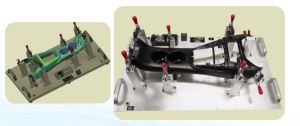
Manual checking fixtures are like the old - school heroes in the manufacturing world. They're simple, cost - effective, and have been around for ages. These fixtures rely on human operation to measure and inspect parts. For example, a simple go - no - go gauge is a type of manual checking fixture. You just insert the part into the gauge, and if it fits, it's within the acceptable tolerance; if not, it's a no - go.
These fixtures are great for small - scale production or when you need a quick and dirty check. They don't require any fancy electronics or power sources, which makes them easy to maintain. But they do have their limitations. Since they're operated manually, there's a chance of human error. And they're not very efficient for high - volume production.
If you're interested in learning more about manual checking fixtures and other related products, you can check out our Checking Fixture And Gage Manufacturer page.
2. Automated Checking Fixtures
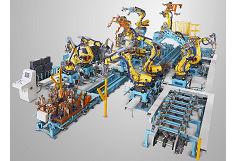
Now, let's talk about the cool kids on the block - automated checking fixtures. With the development of technology, automated checking fixtures have become more and more popular in China. These fixtures use sensors, cameras, and other high - tech devices to measure and inspect parts automatically.
One of the biggest advantages of automated checking fixtures is their high precision and efficiency. They can perform multiple measurements at the same time and provide accurate results in a short period. For example, in the automotive industry, automated checking fixtures are used to inspect engine parts. They can quickly detect any defects or deviations from the design specifications.
Another benefit is that they reduce the need for human intervention. This not only reduces the chance of human error but also saves labor costs. However, automated checking fixtures are more expensive to purchase and maintain compared to manual ones. You need to have a certain level of technical expertise to operate and troubleshoot them.
3. Flexible Checking Fixtures
Flexible checking fixtures are designed to be adaptable. They can be adjusted to measure different types of parts or to accommodate changes in part design. This is especially useful in industries where product design changes frequently, such as the consumer electronics industry.
For instance, a flexible checking fixture can be reconfigured to measure different sizes and shapes of smartphone casings. This reduces the need to invest in multiple fixtures for different products, saving both time and money.
Flexible checking fixtures usually use modular components that can be easily assembled and disassembled. They may also incorporate some adjustable elements, like movable jaws or adjustable sensors. If you're looking for a fixture that can keep up with your changing production needs, you might want to explore Checking Fixture For Plastic Parts.
4. Cast Iron Checking Fixtures
Cast iron checking fixtures are known for their stability and durability. Cast iron has good damping properties, which means it can absorb vibrations and reduce the impact of external forces on the measurement process. This makes it ideal for high - precision measurements.
These fixtures are often used in industries where accuracy is crucial, such as the aerospace and machine tool industries. Cast iron checking fixtures can be made into complex shapes to match the contours of the parts being measured. They also have a long service life, which is an important consideration for companies looking to make a long - term investment.
However, cast iron is relatively heavy, which can make the fixtures difficult to move around. And the manufacturing process of cast iron fixtures is more complex and time - consuming compared to some other materials.
5. Aluminum Alloy Checking Fixtures
Aluminum alloy checking fixtures are a popular alternative to cast iron ones. Aluminum alloy is lightweight, which makes the fixtures easy to handle and move. This is a big advantage in production lines where fixtures need to be transported frequently.
In addition, aluminum alloy has good corrosion resistance, which means the fixtures can last longer even in harsh working environments. It also has a relatively high thermal conductivity, which helps to maintain a stable temperature during the measurement process.
Aluminum alloy checking fixtures can be machined quickly and precisely, allowing for faster production times. They're commonly used in industries like the electronics and automotive industries, where lightweight and fast - production fixtures are needed. You can find more information about various checking fixtures on our Checking Fixture And Gages page.
6. Composite Material Checking Fixtures
Composite material checking fixtures are a relatively new addition to the market. These fixtures are made from composite materials, which combine the advantages of different materials. For example, some composite materials can offer high strength and low weight at the same time.
Composite material checking fixtures are often used in applications where weight reduction is critical, such as in the aviation industry. They can also be designed to have specific mechanical properties to meet the requirements of different measurement tasks.
However, the cost of composite materials is relatively high, and the manufacturing process can be more complex. But as the technology develops, the cost is expected to come down, and we'll likely see more composite material checking fixtures in the future.
Why Choose Our Checking Fixtures?
As a supplier from Checking Fixtures China, we have years of experience in manufacturing high - quality checking fixtures. We offer a wide range of products, from manual to automated, and in different materials. Our team of experts can help you choose the right fixture for your specific needs.
We understand that every customer has different requirements, so we also provide customized solutions. Whether you need a fixture for a unique part or a special measurement task, we can design and manufacture it for you.


If you're in the market for checking fixtures, don't hesitate to contact us for a purchase negotiation. We're always ready to offer you the best products and services at competitive prices.
References
- Manufacturing Technology Handbook
- Precision Measurement and Inspection in Industry
So, that's all about the common types of checking fixtures in China. If you have any questions or need more information, feel free to reach out. Looking forward to working with you!