Hey there! As a supplier of checking fixtures, I've seen firsthand how these nifty tools fit right into a quality management system. Let's dive into how checking fixtures play a crucial role in ensuring top - notch quality in various industries.
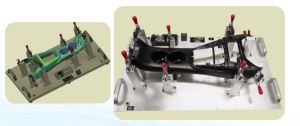
First off, what exactly are checking fixtures? They're specialized tools used to verify the dimensions, shape, and overall quality of a manufactured part. Think of them as the quality police on the factory floor. Whether it's a small plastic component or a large automotive part, checking fixtures can quickly tell you if a part meets the required specifications.
In a quality management system, the goal is to maintain consistent quality levels across all products. Checking fixtures are like the secret weapon that helps achieve this goal. They provide a standardized way to measure parts, eliminating the guesswork and human error that can come with manual measurements.
Let's talk about the initial stages of production. When a new product is being developed, checking fixtures are designed based on the engineering drawings and specifications. This early integration is super important. It allows manufacturers to test the prototypes and make any necessary adjustments before mass production begins. For example, if you're making a Checking Fixture For Plastic Parts, the fixture will be designed to check the precise dimensions, tolerances, and features of the plastic part. This way, you can catch any design flaws early on, saving time and money in the long run.
During the production process, checking fixtures act as a real - time quality control mechanism. Workers can quickly check each part as it comes off the production line. If a part doesn't fit properly in the checking fixture, it's a clear sign that something's wrong. This immediate feedback allows for quick corrective actions. Maybe the machine needs to be adjusted, or there's an issue with the raw materials. By catching these problems early, manufacturers can prevent a whole batch of defective products from being produced.
Another great thing about checking fixtures is that they help with traceability. In a quality management system, it's essential to be able to track the quality of each part throughout its lifecycle. Checking fixtures can be used to record the measurement data of each part. This data can then be stored in a database for future reference. If there's ever a quality issue down the line, manufacturers can go back and review the measurement data to determine where the problem originated.
Now, let's look at how checking fixtures fit into different industries. In the automotive industry, for instance, Gauges/Checking Fixtures For A/B/C Pillar /Auto Pillar Parts are used to ensure the safety and performance of vehicles. The A, B, and C pillars are critical structural components of a car. Any deviation in their dimensions can affect the overall safety of the vehicle. Checking fixtures are used to make sure that these parts are manufactured to the exact specifications, meeting all the safety standards.
In the plastic manufacturing industry, Checking Fixture And Gages are indispensable. Plastic parts are used in a wide range of products, from consumer electronics to medical devices. The quality of these plastic parts can have a significant impact on the performance and reliability of the final product. Checking fixtures help ensure that the plastic parts have the right shape, size, and surface finish.


One of the challenges in using checking fixtures is keeping them calibrated. Just like any measuring tool, checking fixtures need to be regularly calibrated to ensure accurate measurements. A well - calibrated checking fixture is the key to reliable quality control. Manufacturers need to have a calibration schedule in place and use certified calibration equipment. This may seem like an extra hassle, but it's a small price to pay for the peace of mind that comes with knowing your quality control system is working correctly.
In addition to calibration, proper maintenance of checking fixtures is also crucial. They should be stored in a clean and dry environment to prevent damage. Regular inspections should be carried out to check for any signs of wear and tear. If a checking fixture is damaged, it can give inaccurate measurements, which can lead to quality issues.
When it comes to implementing checking fixtures in a quality management system, it's important to involve all stakeholders. This includes the design engineers, production workers, quality control inspectors, and management. Everyone needs to understand the importance of checking fixtures and how they contribute to the overall quality of the products. Training programs can be set up to ensure that all employees know how to use the checking fixtures correctly.
As a checking fixture supplier, I've noticed that more and more companies are realizing the importance of integrating checking fixtures into their quality management systems. The demand for high - quality products is only increasing, and checking fixtures are a vital part of meeting these demands. Whether it's a small - scale manufacturing operation or a large multinational corporation, checking fixtures can make a big difference in the quality of the products.
If you're in the process of setting up or improving your quality management system, I'd highly recommend considering checking fixtures. They're a cost - effective way to improve product quality, reduce waste, and increase customer satisfaction. And if you're looking for reliable checking fixtures, don't hesitate to reach out to me. I'm here to help you find the right solutions for your specific needs. Whether you need a custom - designed checking fixture or a standard one, I've got you covered. Let's work together to take your quality management system to the next level.
References
- "Quality Management Principles and Practices" - A comprehensive guide on quality management systems and the role of various tools in ensuring quality.
- "Manufacturing Metrology: An Introduction" - This book provides in - depth knowledge about measuring tools, including checking fixtures, and their importance in manufacturing.