As a supplier of Cupholder CMM holding jigs, I understand the importance of preventing damage to these precision tools. Cupholder CMM holding jigs are essential for accurately measuring and inspecting cupholders, ensuring they meet the required quality standards. In this blog post, I will share some practical tips on how to prevent damage to a Cupholder CMM holding jig, based on my experience in the industry.
Understanding the Cupholder CMM Holding Jig
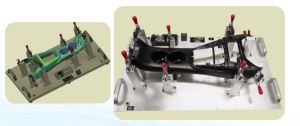
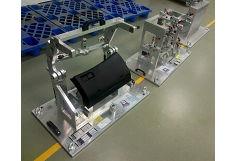
Before we delve into the prevention strategies, it's crucial to understand the Cupholder CMM holding jig. These jigs are specifically designed to hold cupholders in place during coordinate measuring machine (CMM) inspections. They are typically made of high - quality materials such as aluminum or steel to ensure durability and precision. The jig's design allows for accurate positioning of the cupholder, enabling the CMM to take precise measurements of its dimensions, shape, and other critical features.
Proper Handling and Storage
One of the primary ways to prevent damage to a Cupholder CMM holding jig is through proper handling and storage.
- Lifting and Moving: When lifting or moving the jig, always use appropriate lifting equipment. Avoid using sharp or rough tools that could scratch or dent the jig. For example, if you need to move the jig from one workbench to another, use a pallet jack or a forklift with soft padding on the lifting arms. This will prevent any direct impact on the jig's surface.
- Cleaning: Regular cleaning is essential to maintain the integrity of the jig. Use a soft, lint - free cloth and a mild cleaning solution to remove dirt, debris, and any machining residues. Avoid using abrasive cleaners or brushes, as they can damage the surface finish of the jig. After cleaning, dry the jig thoroughly to prevent rusting, especially if it is made of steel.
- Storage: Store the Cupholder CMM holding jig in a clean, dry, and temperature - controlled environment. A dedicated storage cabinet or a rack with proper padding can protect the jig from dust, moisture, and physical damage. Make sure the storage area is free from any potential sources of impact, such as heavy machinery or moving equipment.
Correct Installation and Setup
Proper installation and setup of the Cupholder CMM holding jig are crucial for its long - term performance and prevention of damage.
- Alignment: Ensure that the jig is correctly aligned with the CMM. Any misalignment can lead to inaccurate measurements and put unnecessary stress on the jig. Use alignment tools, such as laser alignment devices, to ensure precise alignment. This will also help in preventing premature wear and tear of the jig's components.
- Fastening: Use the correct fasteners and tightening torques when installing the jig. Over - tightening can cause deformation of the jig, while under - tightening can result in the jig shifting during the inspection process. Refer to the manufacturer's specifications for the recommended fasteners and torques.
Operator Training
Well - trained operators are key to preventing damage to the Cupholder CMM holding jig.
- Training Programs: Provide comprehensive training programs for operators on how to handle, install, and use the jig correctly. The training should cover all aspects, from basic handling techniques to advanced troubleshooting. For example, operators should be trained to recognize signs of potential damage, such as unusual noises or vibrations during the inspection process.
- Safety Procedures: Emphasize safety procedures during the training. Operators should be aware of the potential hazards associated with the CMM and the jig, such as moving parts and electrical components. By following safety procedures, operators can prevent accidents that could damage the jig.
Regular Maintenance and Inspection
Regular maintenance and inspection are essential for identifying and addressing potential issues before they lead to significant damage.
- Scheduled Maintenance: Develop a maintenance schedule for the Cupholder CMM holding jig. This schedule should include tasks such as lubrication of moving parts, checking for loose fasteners, and inspecting the surface for any signs of wear or damage. For example, if the jig has any moving pins or slides, lubricate them regularly to ensure smooth operation.
- Inspection Checks: Conduct regular inspection checks of the jig. Inspect the clamping mechanisms, locating features, and the overall structural integrity of the jig. Look for any signs of cracks, deformation, or excessive wear. If any issues are detected, address them immediately to prevent further damage.
Quality Control of Cupholders
The quality of the cupholders being inspected can also affect the condition of the Cupholder CMM holding jig.
- Pre - Inspection: Before placing the cupholders in the jig, conduct a pre - inspection to ensure they are free from any major defects, such as burrs or sharp edges. These defects can damage the jig during the clamping and inspection process.
- Material Compatibility: Ensure that the material of the cupholders is compatible with the jig. For example, if the cupholders are made of a hard material, it may cause more wear on the jig's clamping surfaces. In such cases, consider using protective coatings or inserts on the jig to reduce the wear.
Upgrading and Replacement of Components
Over time, some components of the Cupholder CMM holding jig may wear out or become obsolete.

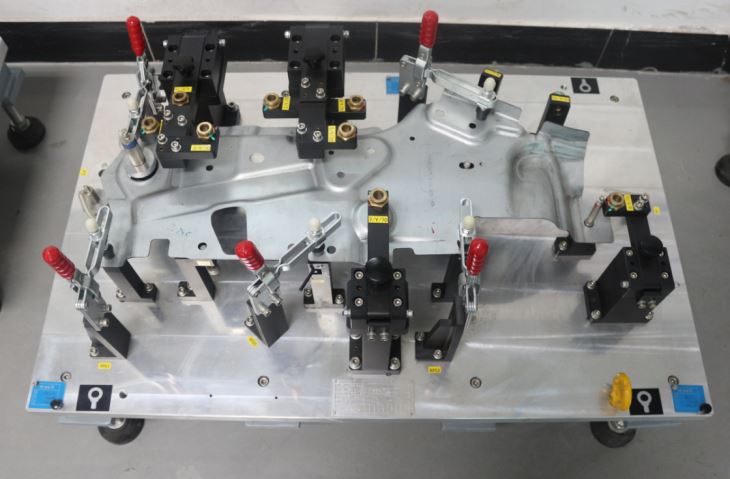
- Component Upgrades: Periodically assess the need for component upgrades. Newer components may offer improved performance, durability, or accuracy. For example, upgrading the clamping cylinders to more advanced models can provide better clamping force and precision.
- Replacement: When a component is beyond repair, replace it promptly. Using a damaged component can lead to further damage to the jig and inaccurate measurements. Keep a stock of commonly used replacement components to minimize downtime.
Conclusion
Preventing damage to a Cupholder CMM holding jig requires a comprehensive approach that includes proper handling, correct installation, operator training, regular maintenance, and quality control. By following these tips, you can extend the lifespan of the jig, improve the accuracy of your CMM inspections, and ultimately save costs associated with jig replacement and repair.
If you are in the market for high - quality Cupholder CMM Holding Fixture or other Auto Metal Parts CMM Holding Fixture, we are here to provide you with the best solutions. Contact us to discuss your specific requirements and start a procurement negotiation.
References
- "Precision Measuring Equipment Handbook" by John Doe
- "Best Practices for CMM Jig Maintenance" by Industrial Manufacturing Magazine
- Manufacturer's guidelines for Cupholder CMM holding jigs