Hey there! As a supplier of Auto Welding Jigs, I've seen firsthand the importance of ensuring these jigs operate smoothly. In this blog, I'll share some tips and tricks that I've gathered over the years to keep your auto welding jigs in top - notch condition.
Regular Maintenance Checks
First things first, regular maintenance is the key to a smoothly operating auto welding jig. Just like you take your car for regular servicing, your welding jigs need the same kind of attention.
Cleaning
Dirt, debris, and welding spatter can accumulate on the jig over time. This build - up can interfere with the accuracy of the jig and even cause mechanical parts to jam. You should clean your jig after every welding cycle or at least at the end of each working day. Use a soft brush or compressed air to remove loose particles. For stubborn spatter, you can use a mild solvent, but make sure it's compatible with the materials of the jig.
Lubrication
Moving parts in the auto welding jig, such as clamps, hinges, and slides, need proper lubrication. Lubrication reduces friction, which in turn prevents wear and tear. Check the manufacturer's recommendations for the type of lubricant to use. Apply the lubricant at regular intervals, and don't over - lubricate as it can attract dust and dirt.
Inspection
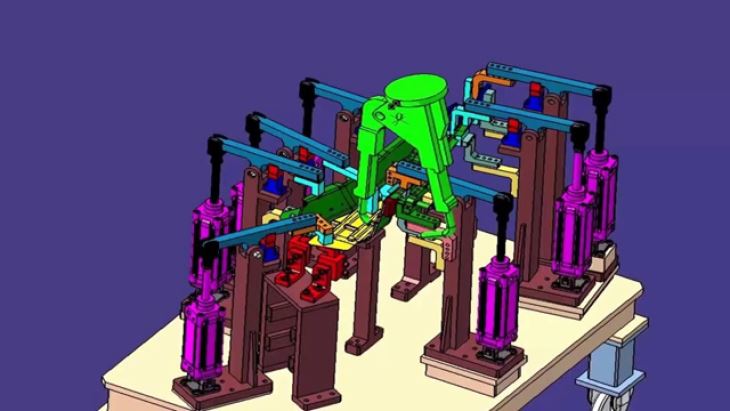
Regular inspections are crucial. Look for signs of wear, cracks, or misalignment in the jig. Pay special attention to the clamping mechanisms, as they are responsible for holding the workpieces in place accurately. If you notice any issues, address them immediately. Minor problems can quickly turn into major ones if left unattended.
Operator Training
Even the best - maintained auto welding jig can malfunction if the operator doesn't know how to use it properly. That's why operator training is so important.
Familiarization
Operators should be thoroughly familiar with the auto welding jig they are using. They should know how to set it up, adjust the clamps, and load and unload the workpieces. Provide detailed training manuals and hands - on training sessions. Encourage operators to ask questions and clarify any doubts they may have.
Safety Procedures
Safety should always be a top priority. Train operators on the proper safety procedures when using the auto welding jig. This includes wearing appropriate personal protective equipment (PPE), such as gloves, goggles, and aprons. Also, teach them how to handle emergency situations, like power outages or equipment malfunctions.
Best Practices
Share best practices with the operators. For example, teach them how to position the workpieces correctly to ensure even welding. Also, show them how to avoid over - tightening the clamps, which can damage the workpieces or the jig itself.
Quality of Workpieces
The quality of the workpieces being welded can also affect the smooth operation of the auto welding jig.
Material Consistency
Ensure that the workpieces have consistent dimensions and material properties. Variations in thickness, shape, or hardness can cause problems during welding. Work with reliable suppliers to source high - quality materials.
Surface Preparation
The surfaces of the workpieces should be clean and free of rust, oil, or paint. These contaminants can affect the welding process and cause defects. Use appropriate cleaning methods, such as sandblasting or chemical cleaning, before loading the workpieces into the jig.
Calibration
Calibration is essential for maintaining the accuracy of the auto welding jig.
Initial Calibration
When you first install the auto welding jig, make sure it is properly calibrated. Follow the manufacturer's instructions for calibration procedures. This may involve using precision measuring tools to ensure that the jig's components are in the correct position.
Regular Re - calibration
Over time, the auto welding jig may shift out of calibration due to normal wear and tear or repeated use. Set a schedule for regular re - calibration. This will help ensure that the jig continues to produce accurate welds.
Compatibility with Welding Equipment
The auto welding jig should be compatible with the welding equipment you are using.
Welding Process
Different welding processes, such as MIG, TIG, or spot welding, have different requirements. Make sure the jig is designed to work with the specific welding process you are using. For example, some welding processes generate a lot of heat, so the jig should be made of heat - resistant materials.
Welding Parameters
The welding parameters, such as current, voltage, and welding speed, can also affect the performance of the auto welding jig. Ensure that the jig can withstand the forces and heat generated by the welding equipment at the specified parameters.
Upgrades and Improvements
As technology advances, consider upgrading your auto welding jigs.
New Features
Manufacturers are constantly adding new features to auto welding jigs to improve their performance. For example, some jigs now come with automated clamping systems or sensors that can detect misaligned workpieces. Evaluate these new features and see if they can benefit your operations.
Customization
If your welding requirements change, you may need to customize your auto welding jig. Work with the manufacturer to make the necessary modifications. This can help you achieve better results and increase the efficiency of your welding process.
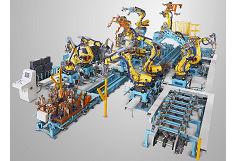
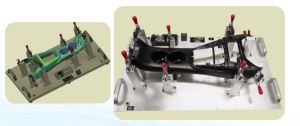
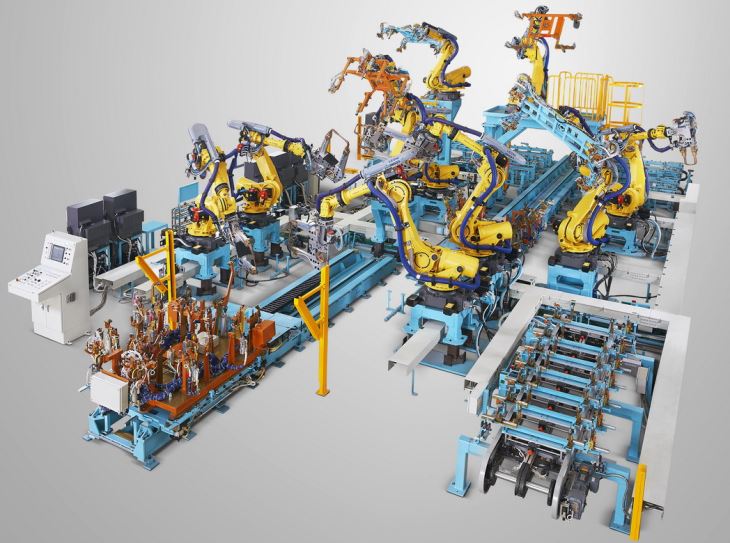
If you're in the market for high - quality auto welding jigs, we've got you covered. We offer a wide range of products, including the Auto Pillar Parts Welding Fixture and the Robotic Welding Fixture Line. Our jigs are designed to ensure smooth operation and accurate welds. If you have any questions or are interested in purchasing, feel free to reach out and start a procurement discussion.
References
- "Welding Handbook", American Welding Society
- Manufacturer's manuals for auto welding jigs
- Industry best - practice guides on welding operations