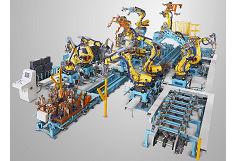
Can an A PILLAR welding fixture be used in a corrosive environment?
As a supplier of A PILLAR welding fixtures, I often encounter inquiries from customers about the adaptability of our products in various working conditions. One question that frequently comes up is whether an A PILLAR welding fixture can be used in a corrosive environment. This is a crucial concern for many industries, especially those in the automotive and manufacturing sectors where the fixtures are exposed to different elements.
Understanding A PILLAR Welding Fixtures
Before delving into the question of using A PILLAR welding fixtures in corrosive environments, it's essential to understand what these fixtures are and their functions. A PILLAR welding fixtures are specialized tools used in the welding process of automotive A pillars. The A pillar is a critical structural component of a vehicle, located on either side of the windshield. It provides support for the roof and the front part of the vehicle, ensuring safety and stability.
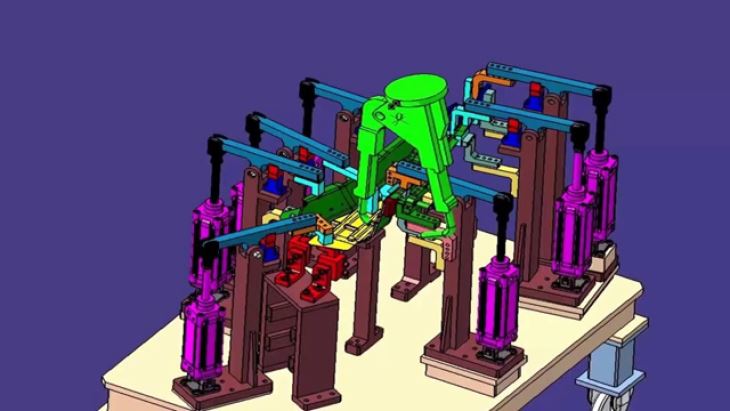
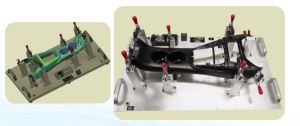
Auto Pillar Parts Welding Fixture is designed to hold the A pillar components in place during the welding process, ensuring precise alignment and high - quality welds. These fixtures are typically made of high - strength materials such as steel or aluminum to withstand the forces exerted during welding. They are engineered with precision to meet the strict requirements of the automotive industry, where even the slightest deviation can lead to significant safety issues.
The Impact of Corrosive Environments
A corrosive environment is characterized by the presence of substances that can cause the deterioration of materials through chemical reactions. Common corrosive agents include moisture, acids, alkalis, and salts. In industrial settings, such environments can be found in chemical plants, coastal areas, and some automotive manufacturing processes where certain cleaning or treatment agents are used.
When an A PILLAR welding fixture is exposed to a corrosive environment, several negative effects can occur. Firstly, corrosion can weaken the structural integrity of the fixture. The metal components may start to rust or corrode, reducing their strength and durability. This can lead to deformation of the fixture, which in turn affects the accuracy of the welding process. If the fixture is not holding the A pillar components in the correct position, the welds may be of poor quality, resulting in weak joints and potential safety hazards in the final vehicle.
Secondly, corrosion can also affect the surface finish of the fixture. A rough or corroded surface can cause scratches or damage to the A pillar components during the clamping process. This not only affects the appearance of the A pillar but can also lead to issues with paint adhesion and other post - welding treatments.
Factors Affecting the Use of A PILLAR Welding Fixtures in Corrosive Environments
Several factors determine whether an A PILLAR welding fixture can be used in a corrosive environment.
- Material Selection: The choice of material for the fixture is crucial. Some materials are more resistant to corrosion than others. For example, stainless steel is known for its excellent corrosion resistance due to the presence of chromium, which forms a protective oxide layer on the surface. Aluminum also has good corrosion resistance, especially when it forms a natural oxide layer. However, the cost and mechanical properties of these materials need to be considered. High - grade stainless steel may be more expensive, and aluminum may not have the same strength as steel in some applications.
- Surface Treatment: Applying a protective coating to the fixture can significantly enhance its corrosion resistance. Common surface treatments include painting, galvanizing, and powder coating. Painting provides a physical barrier between the metal surface and the corrosive agents. Galvanizing involves coating the steel with a layer of zinc, which acts as a sacrificial anode, protecting the steel from corrosion. Powder coating is a durable and environmentally friendly option that can provide excellent protection against corrosion and wear.
- Environmental Conditions: The severity of the corrosive environment plays a significant role. Mildly corrosive environments, such as those with low humidity and occasional exposure to weak acids, may be more manageable than highly corrosive environments like chemical processing plants. The frequency and duration of exposure also matter. A fixture that is only occasionally exposed to a corrosive agent may have a longer service life than one that is constantly immersed in a corrosive solution.
Case Studies
Let's look at some real - world examples to illustrate the challenges and solutions related to using A PILLAR welding fixtures in corrosive environments.
In a coastal automotive manufacturing plant, the A PILLAR welding fixtures were initially made of regular steel. Due to the high salt content in the air, corrosion became a significant problem. The fixtures started to rust within a few months, leading to misalignment of the A pillar components during welding. To address this issue, the plant switched to stainless - steel fixtures and applied a powder - coating for additional protection. This change significantly improved the lifespan of the fixtures and the quality of the welds.
In another case, an automotive supplier was using A PILLAR welding fixtures in a process where acidic cleaning agents were used. The original steel fixtures were corroded by the acid, causing deformation and inaccurate welding. By changing the material to a corrosion - resistant alloy and implementing a regular maintenance schedule that included cleaning and re - coating, the supplier was able to use the fixtures in the corrosive environment without significant issues.
Solutions for Using A PILLAR Welding Fixtures in Corrosive Environments
Based on the above analysis, here are some solutions for using A PILLAR welding fixtures in corrosive environments:
- Optimal Material Choice: Select materials with high corrosion resistance. If cost allows, stainless steel or corrosion - resistant alloys should be considered. For applications where weight is a concern, aluminum with appropriate surface treatments can be a good option.
- Advanced Surface Treatments: Apply high - quality protective coatings. Research and development in surface treatment technologies are constantly evolving, and new coatings are being developed that offer better corrosion protection and longer service life.
- Regular Maintenance: Implement a regular maintenance schedule. This includes cleaning the fixtures to remove any corrosive agents, inspecting for signs of corrosion, and reapplying protective coatings as needed.
The Role of Robotic Welding Fixture Line
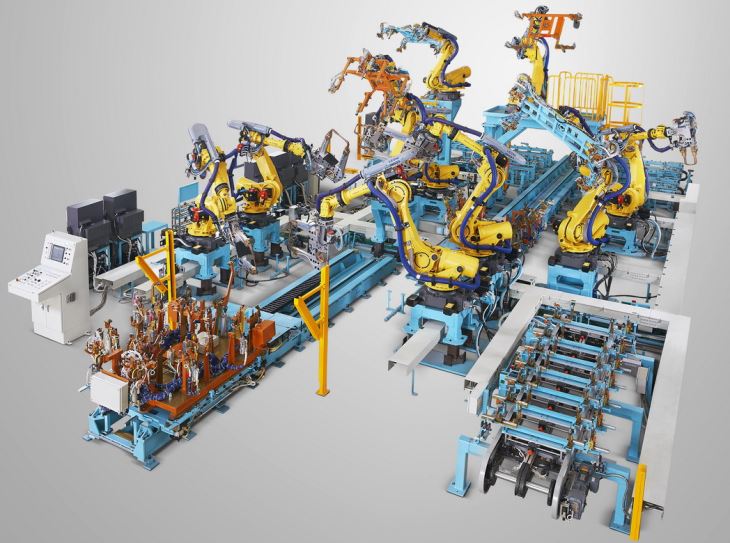
In modern automotive manufacturing, Robotic Welding Fixture Line has become increasingly popular. These lines use robots to perform the welding operations, and A PILLAR welding fixtures are an integral part of the system. In a corrosive environment, the use of robotic welding fixture lines can have both advantages and challenges.
On one hand, robotic systems can be programmed to handle the fixtures more carefully, reducing the risk of damage that could expose the metal to corrosion. The precision of robotic welding also means that the fixtures are less likely to be over - stressed, which can prevent premature corrosion. On the other hand, the electronic components of the robotic system are also sensitive to corrosion. Special measures need to be taken to protect these components, such as using sealed enclosures and corrosion - resistant materials for wiring and connectors.
Conclusion
In conclusion, while an A PILLAR welding fixture can potentially be used in a corrosive environment, it requires careful consideration of material selection, surface treatment, and maintenance. The automotive industry's high - quality standards demand that these fixtures maintain their accuracy and reliability even in challenging conditions.
As a supplier of A PILLAR welding fixtures, we understand the importance of providing solutions that meet the specific needs of our customers. Whether it's choosing the right material, applying the appropriate surface treatment, or offering maintenance advice, we are committed to ensuring that our fixtures can perform well in various environments.
If you are in the automotive or related industries and are looking for high - quality A PILLAR welding fixtures that can withstand corrosive environments, we invite you to contact us for a detailed discussion. Our team of experts is ready to provide you with customized solutions and support to meet your specific requirements.
References
- Jones, R. (2018). Materials Science for Engineers. McGraw - Hill.
- Smith, J. (2019). Automotive Manufacturing Processes. Wiley.
- Brown, A. (2020). Corrosion and Protection of Metals. Elsevier.