Hey there! As a supplier of Robotic MIG Weld Fixtures, I often get asked if these fixtures can be used for high - precision welding. Well, let's dig into this topic and find out.
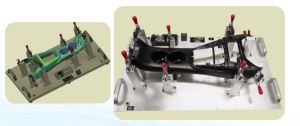
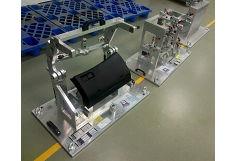
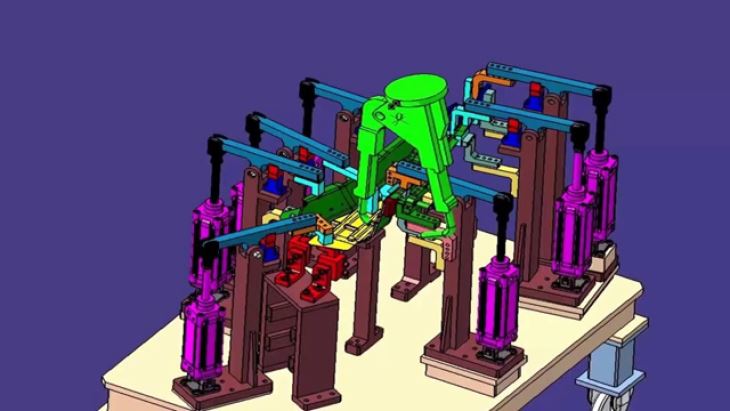
First off, what exactly is a Robotic MIG Weld Fixture? It's a device that holds and positions the workpiece during the MIG (Metal Inert Gas) welding process. The robot takes care of the welding part, while the fixture ensures that the pieces are in the right place. This setup offers a lot of advantages, but when it comes to high - precision welding, there are a few things to consider.
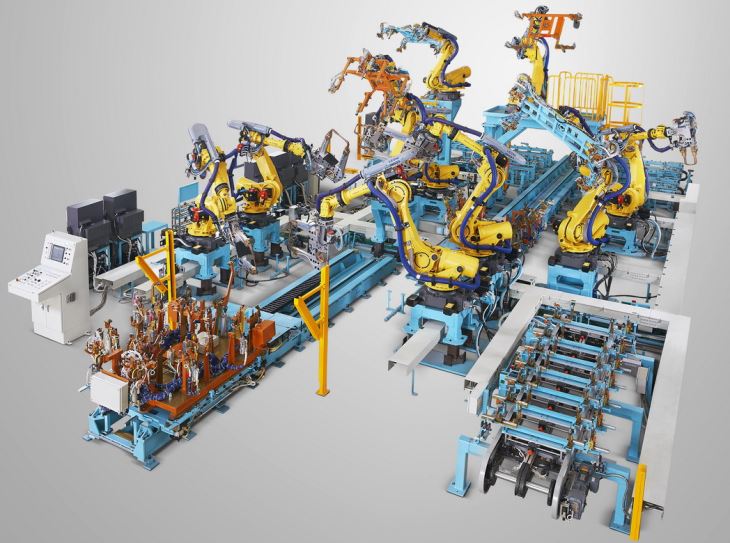
Advantages of Robotic MIG Weld Fixtures for High - Precision Welding
Repeatability
One of the biggest perks of using a Robotic MIG Weld Fixture for high - precision welding is repeatability. Once the fixture is set up correctly, it can hold the workpiece in the exact same position every single time. This means that each weld will be nearly identical to the last one. For industries where consistency is key, like aerospace or automotive, this is a game - changer. For example, in the production of Auto Pillar Parts Welding Fixture, the fixtures ensure that each pillar part is welded with the same precision, which is crucial for the overall safety and performance of the vehicle.
Accuracy
Robotic MIG Weld Fixtures are designed to be highly accurate. They can be engineered to hold the workpiece within very tight tolerances. The robots used in conjunction with these fixtures are also programmed to follow precise paths. This combination of accurate fixturing and robotic control allows for high - precision welds. In applications where the weld needs to be in a specific location and have a specific size, like in the manufacturing of electronic components, these fixtures can deliver the required accuracy.
Reduced Human Error
Human error can be a major factor in welding quality. Even the most skilled welders can make mistakes due to fatigue, distraction, or other factors. With a Robotic MIG Weld Fixture, the welding process is automated. The robot follows a pre - programmed path, and the fixture holds the workpiece firmly. This significantly reduces the chances of human - related errors, leading to more precise welds.
Challenges of Using Robotic MIG Weld Fixtures for High - Precision Welding
Initial Setup
Setting up a Robotic MIG Weld Fixture for high - precision welding can be a complex and time - consuming process. The fixture needs to be calibrated precisely to ensure that the workpiece is held in the correct position. The robot also needs to be programmed accurately. Any small error in the setup can lead to poor weld quality. However, once the initial setup is done correctly, the benefits of high - precision welding can be realized.
Material Variations
Different materials have different properties, such as thermal expansion rates and melting points. These variations can affect the welding process and make it more challenging to achieve high - precision welds. For example, if the material expands more than expected during the welding process, it can cause the workpiece to shift slightly in the fixture, leading to inaccurate welds. To overcome this, the fixture may need to be designed with some flexibility or compensation mechanisms.
Maintenance
To maintain high - precision welding performance, the Robotic MIG Weld Fixture and the associated robot need to be properly maintained. Over time, the fixture can wear out, and the robot's components may need to be replaced. If maintenance is neglected, the accuracy and repeatability of the welding process can be compromised.
Real - World Applications
Automotive Industry
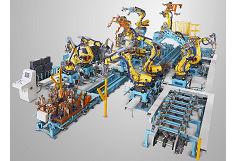
In the automotive industry, high - precision welding is essential for the safety and performance of vehicles. Robotic MIG Weld Fixtures are widely used in the production of car bodies, engine components, and other parts. For instance, in the Robotic Welding Fixture Line, these fixtures ensure that the welds are strong and precise, which is crucial for the overall integrity of the vehicle.
Aerospace Industry
The aerospace industry demands the highest level of precision in welding. Robotic MIG Weld Fixtures are used to weld components such as aircraft frames, engine parts, and fuel tanks. The high repeatability and accuracy of these fixtures are essential to meet the strict quality standards of the aerospace industry.
Tips for Achieving High - Precision Welding with Robotic MIG Weld Fixtures
Choose the Right Fixture
Selecting the appropriate Robotic MIG Weld Fixture for your application is crucial. Consider factors such as the size and shape of the workpiece, the required accuracy, and the type of material. A well - designed fixture will make it easier to achieve high - precision welds.
Proper Programming
Ensure that the robot is programmed correctly. The programming should take into account the specific requirements of the welding task, such as the weld path, speed, and heat input. Regularly review and update the programming to optimize the welding process.
Quality Control
Implement a comprehensive quality control system. This can include inspections at various stages of the welding process, such as before, during, and after welding. Use non - destructive testing methods to detect any potential defects in the welds.
Conclusion
So, can a Robotic MIG Weld Fixture be used for high - precision welding? The answer is a resounding yes! While there are some challenges to overcome, the advantages of repeatability, accuracy, and reduced human error make these fixtures a great choice for high - precision welding applications. Whether you're in the automotive, aerospace, or any other industry that requires precise welds, a Robotic MIG Weld Fixture can help you achieve your goals.
If you're interested in learning more about our Robotic MIG Weld Fixtures or are looking to purchase them for your high - precision welding needs, feel free to reach out. We're here to help you find the right solution for your specific application.
References
- Welding Handbook, American Welding Society
- Robotics in Manufacturing, John Wiley & Sons