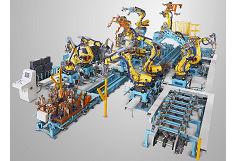
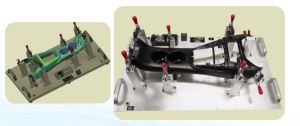
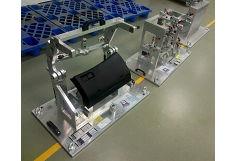
As a supplier of Robotic MIG Weld Fixtures, I've had numerous discussions with clients about the costs associated with maintaining these essential pieces of equipment. Understanding the maintenance costs is crucial for businesses looking to optimize their operations and budget effectively. In this blog, I'll break down the various factors that contribute to the maintenance costs of a Robotic MIG Weld Fixture and provide insights to help you make informed decisions.
1. Wear and Tear of Components
One of the primary factors influencing maintenance costs is the wear and tear of components within the Robotic MIG Weld Fixture. Over time, parts such as clamps, locators, and electrodes are subject to friction, heat, and mechanical stress during the welding process. For example, the constant clamping and releasing of workpieces can cause the clamps to lose their grip strength, leading to inaccurate positioning and potential welding defects.
To mitigate this, regular inspections are necessary to identify worn - out components. Replacing these parts promptly can prevent more significant issues down the line. The cost of replacement parts can vary widely depending on the complexity and quality of the fixture. High - precision locators or custom - designed clamps may be more expensive than standard components. On average, the annual cost of replacing worn - out components for a mid - sized Robotic MIG Weld Fixture can range from a few hundred to several thousand dollars.
2. Calibration and Alignment
Accurate calibration and alignment are critical for the proper functioning of a Robotic MIG Weld Fixture. Any misalignment can result in inconsistent weld quality, such as uneven bead width or poor penetration. Calibration ensures that the robotic arm moves precisely to the designated welding points and that the fixture holds the workpiece in the correct position.
Calibration should be performed at regular intervals, typically every few months, depending on the usage frequency and the environment in which the fixture operates. The cost of calibration includes the labor of trained technicians and, in some cases, the use of specialized calibration tools. If the fixture is complex or requires advanced calibration techniques, the cost can be relatively high. On average, the calibration cost for a Robotic MIG Weld Fixture can be around $500 - $2000 per calibration session.
3. Cleaning and Lubrication
Proper cleaning and lubrication are essential for extending the lifespan of a Robotic MIG Weld Fixture. During the welding process, spatter, dust, and debris can accumulate on the fixture's surfaces and moving parts. If not cleaned regularly, this buildup can cause mechanical components to jam or wear out prematurely.
Lubrication is also crucial for reducing friction between moving parts, such as joints and bearings. Using the right type of lubricant and applying it at the appropriate intervals can prevent excessive wear and ensure smooth operation. The cost of cleaning supplies and lubricants is relatively low, but the labor cost associated with cleaning and lubricating the fixture can add up over time. A dedicated maintenance team may need to spend a few hours each month on these tasks. On an annual basis, the cost of cleaning and lubrication for a Robotic MIG Weld Fixture can be approximately $200 - $500.
4. Software and Control System Maintenance
Modern Robotic MIG Weld Fixtures are often equipped with sophisticated software and control systems that manage the welding process. These systems need to be maintained to ensure optimal performance. Software updates are necessary to fix bugs, improve functionality, and enhance compatibility with other equipment.
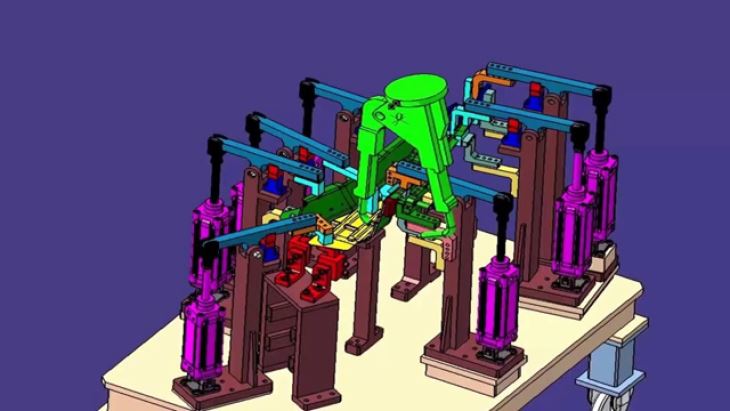
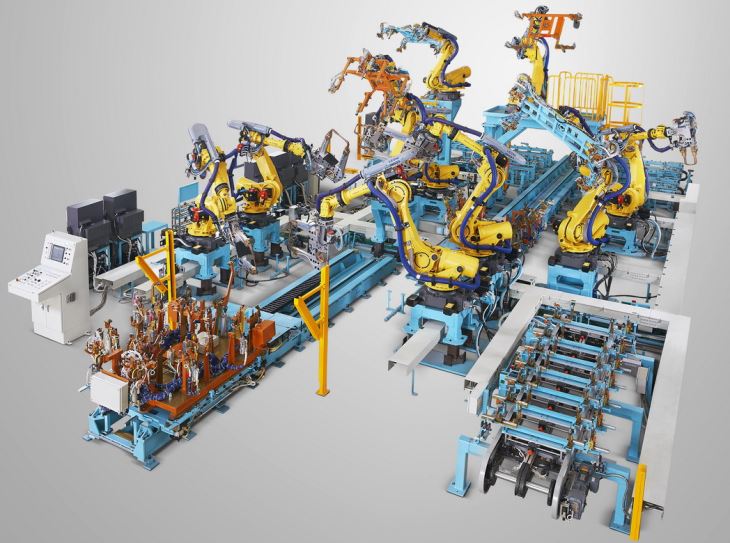
In addition, the control system hardware, such as sensors and controllers, may require occasional maintenance or replacement. The cost of software updates can vary depending on the manufacturer and the complexity of the system. Some updates may be provided free of charge, while others may require a subscription or a one - time fee. The cost of maintaining and replacing control system hardware can range from a few hundred to several thousand dollars per year, depending on the extent of the repairs or upgrades.
5. Training and Technical Support
Proper training for operators and maintenance staff is essential for reducing maintenance costs in the long run. Well - trained personnel are more likely to operate the fixture correctly, perform routine maintenance tasks effectively, and identify potential issues early. Training programs can cover topics such as fixture operation, basic maintenance procedures, and troubleshooting.
Technical support from the supplier is also valuable. In case of complex problems or breakdowns, having access to expert advice can save time and money. Some suppliers offer technical support as part of a service package, while others may charge an hourly rate for assistance. The cost of training and technical support can vary widely, but it is an important investment to ensure the smooth operation of the Robotic MIG Weld Fixture.
Case Studies
Let's take a look at a couple of case studies to illustrate the impact of maintenance costs on different businesses.
Case Study 1: Small - scale Manufacturing Company
A small - scale manufacturing company uses a single Robotic MIG Weld Fixture for welding automotive components. They perform basic maintenance tasks in - house, such as cleaning and lubrication, but rely on the supplier for calibration and major repairs. Their annual maintenance costs include approximately $300 for replacement parts, $1000 for calibration twice a year, $300 for cleaning and lubrication, and $500 for occasional technical support. In total, their annual maintenance cost is around $2100.
Case Study 2: Large - scale Automotive Manufacturer
A large - scale automotive manufacturer operates multiple Robotic MIG Weld Fixtures in a high - volume production environment. They have an in - house maintenance team that is responsible for all aspects of maintenance, including component replacement, calibration, and software updates. Their annual maintenance costs are significantly higher due to the larger number of fixtures and the more complex nature of their operations. They spend approximately $10,000 on replacement parts, $8000 on calibration for all fixtures, $3000 on cleaning and lubrication, and $5000 on software and control system maintenance. Their total annual maintenance cost is around $26,000.
Conclusion
The maintenance costs of a Robotic MIG Weld Fixture can vary widely depending on factors such as the size and complexity of the fixture, the frequency of use, and the level of maintenance performed. By understanding these cost factors and implementing a proactive maintenance strategy, businesses can minimize downtime, improve weld quality, and extend the lifespan of their fixtures.
If you're in the market for a Robotic MIG Weld Fixture or need more information about maintenance costs, we're here to help. Our company offers a wide range of high - quality Robotic Welding Fixture Line and Auto Pillar Parts Welding Fixture to meet your specific needs. Contact us to discuss your requirements and start a procurement negotiation.
References
- Welding Handbook, American Welding Society
- Industrial Robotics: Technology, Programming, and Applications, John A. McGehee
- Maintenance Management for Manufacturing Operations, Paul G. Roberts