Hey there! As a supplier of Cupholder CMM holding jigs, I often get asked if there are any special tools needed to use these jigs. Well, let's dive right into it and break it down.
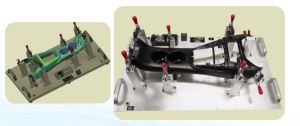
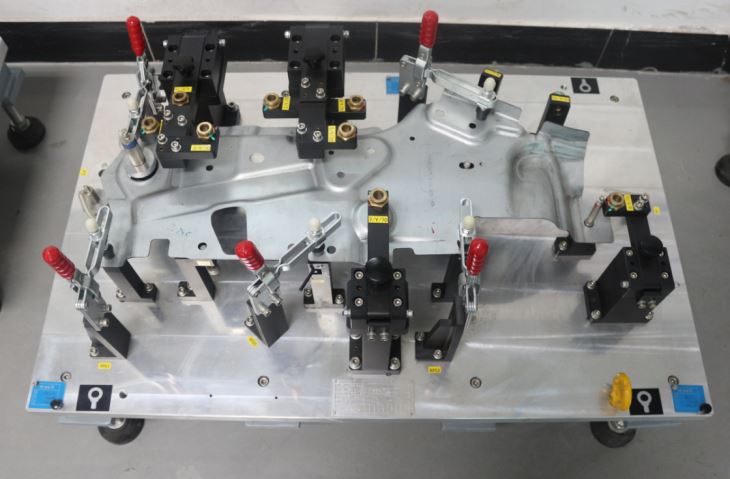
First off, what exactly is a Cupholder CMM holding jig? It's a crucial tool in the manufacturing process, especially when it comes to measuring and inspecting cupholders with coordinate measuring machines (CMM). The jig holds the cupholder in place, ensuring accurate measurements and high - quality inspection results.
Now, let's talk about the tools. In most cases, you don't necessarily need a bunch of super - specialized tools to use a Cupholder CMM holding jig. Basic hand tools are usually sufficient. For example, a set of Allen wrenches is pretty handy. These wrenches are used to tighten or loosen the bolts and screws on the jig. They come in different sizes, so having a set ensures you can handle any bolt on the jig.
Another common tool is a torque wrench. This tool is essential because it allows you to apply the correct amount of torque when tightening the bolts. Over - tightening can damage the jig or the cupholder, while under - tightening can lead to inaccurate measurements as the cupholder might move during the inspection process.
A simple screwdriver set is also a must - have. You'll find that there are often small screws on the jig that need to be adjusted or removed. A flat - head and a Phillips - head screwdriver should cover most of your needs.
In some more advanced setups, you might need a digital caliper. This tool can be used to double - check the dimensions of the cupholder and the jig itself. It provides accurate measurements, which is crucial for quality control.
Now, let's talk about some of the benefits of using our Cupholder CMM holding jigs. Our jigs are designed with precision in mind. They are made from high - quality materials that ensure durability and long - term use. The design allows for easy and quick installation of the cupholder, which saves a lot of time during the inspection process.
If you're also involved in the inspection of other auto metal parts, you might be interested in our Auto Metal Parts CMM Holding Fixture. It's a versatile fixture that can handle a variety of auto metal parts, providing accurate and reliable measurements.
Our Cupholder CMM Holding Fixture is not only easy to use but also highly customizable. We understand that different cupholders have different shapes and sizes, so we can tailor the jig to meet your specific requirements.
When it comes to maintaining the Cupholder CMM holding jig, it's not too complicated. Regular cleaning is important to keep the jig in good condition. You can use a clean, dry cloth to wipe off any dust or debris. If there are any stubborn stains, a mild cleaning solution can be used, but make sure to dry the jig thoroughly afterward.
Lubrication is also key. Some of the moving parts on the jig, such as the bolts and hinges, should be lubricated regularly to ensure smooth operation. A light - weight machine oil is usually sufficient for this purpose.
If you're new to using a Cupholder CMM holding jig, don't worry. We offer comprehensive training and support to our customers. Our team of experts can guide you through the installation, operation, and maintenance of the jig. We also provide detailed user manuals that cover all the necessary information.

In conclusion, while there aren't a ton of super - special tools needed to use a Cupholder CMM holding jig, having a few basic hand tools like Allen wrenches, a torque wrench, a screwdriver set, and possibly a digital caliper can make the process much smoother. Our Cupholder CMM holding jigs offer high - quality, precision, and customization options to meet your specific needs.
If you're in the market for a reliable Cupholder CMM holding jig or other related fixtures, we'd love to hear from you. Whether you're a small - scale manufacturer or a large - scale production facility, we have the products and expertise to support your operations. Reach out to us to start a discussion about your requirements and how we can help you improve your quality control processes.
References:
- General knowledge of manufacturing and inspection tools
- In - house product design and development knowledge