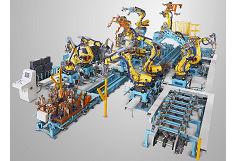
As a supplier of Checking And CMM Fixtures, I often encounter inquiries from potential clients regarding the regulations for exporting these precision tools. In this blog post, I'll delve into the key aspects of export regulations that you should be aware of when dealing with Checking And CMM Fixtures.
Understanding Checking And CMM Fixtures
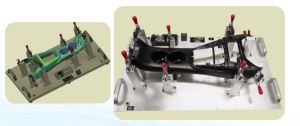
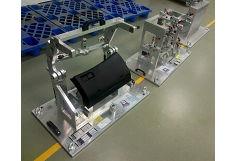
Before we jump into the regulations, let's briefly understand what Checking And CMM Fixtures are. Checking fixtures are used to verify the dimensional accuracy and geometric characteristics of parts, ensuring they meet the required specifications. Coordinate Measuring Machine (CMM) fixtures, on the other hand, are specifically designed to hold parts in place during measurement on a CMM, providing a stable and repeatable setup for accurate measurements.
You can find more detailed information about these fixtures on our website, such as Checking Fixture And Gages and Checking Fixture For Plastic Parts. These resources offer in - depth knowledge about the different types and applications of these fixtures.
General Export Regulations
Exporting Checking And CMM Fixtures is subject to a variety of regulations, which can vary depending on the countries involved in the trade.
Customs Regulations
Customs regulations are a fundamental part of the export process. Each country has its own set of rules regarding the import and export of goods. When exporting Checking And CMM Fixtures, you need to ensure that you provide accurate documentation to the customs authorities. This includes a detailed commercial invoice that clearly describes the fixtures, their quantity, value, and origin.
For example, the invoice should state whether the fixtures are made of metal, plastic, or a combination of materials. This information is crucial as different materials may be subject to different tariffs and duties. Additionally, you may need to provide a packing list that details the contents of each package, including the weight and dimensions.
Product Classification
Proper product classification is essential for determining the applicable regulations and tariffs. Checking And CMM Fixtures are typically classified under specific Harmonized System (HS) codes. The HS code is an international standard for classifying traded products. It helps customs authorities identify the nature of the goods and apply the appropriate duties and taxes.
To find the correct HS code for your Checking And CMM Fixtures, you can consult the official HS code database or seek the advice of a customs broker. Incorrect classification can lead to delays at the border, additional costs, and potential legal issues.
Export Licenses
In some cases, you may need an export license to ship Checking And CMM Fixtures. The requirement for an export license depends on several factors, such as the destination country, the nature of the fixtures, and the end - use of the products.
If the fixtures are considered to have potential military or dual - use applications (i.e., they can be used for both civilian and military purposes), an export license is likely to be required. Dual - use items are often subject to strict regulations to prevent their misuse in sensitive or prohibited activities.
Regulations Based on Destination Countries
Developed Countries
When exporting to developed countries such as the United States, European Union member states, and Japan, there are generally well - established regulatory frameworks. These countries may have specific requirements regarding product safety, environmental standards, and intellectual property rights.
For instance, in the European Union, products must comply with the CE marking requirements if they fall within the scope of certain directives. The CE marking indicates that the product meets the essential health and safety requirements of the EU. Checking And CMM Fixtures may need to comply with relevant machinery directives or other applicable regulations.
In the United States, the Federal Trade Commission (FTC) and other regulatory agencies may have rules regarding product labeling, advertising, and consumer protection. You need to ensure that your fixtures meet these requirements to avoid any legal issues in the market.
Developing Countries
Exporting to developing countries can present its own set of challenges. These countries may have less - developed regulatory systems, but they still have their own import requirements. Some developing countries may have restrictions on the import of certain types of goods, or they may require additional documentation or inspections.
For example, some African countries may require a certificate of origin to verify the source of the goods. This certificate can be used to determine the eligibility for preferential trade agreements or to ensure compliance with local import regulations.
Quality and Safety Standards
In addition to the regulatory requirements, there are also quality and safety standards that Checking And CMM Fixtures must meet. These standards are important not only for regulatory compliance but also for ensuring customer satisfaction.
International Standards
Many international standards organizations, such as the International Organization for Standardization (ISO), have developed standards for measuring equipment and fixtures. For example, ISO 10360 series provides standards for the performance evaluation of coordinate measuring machines and related fixtures.
By ensuring that your Checking And CMM Fixtures meet these international standards, you can enhance their marketability and demonstrate your commitment to quality. Customers in many countries, especially those in the manufacturing and engineering sectors, often prefer to purchase products that comply with recognized international standards.
Industry - Specific Standards
There are also industry - specific standards that may apply to Checking And CMM Fixtures. For example, in the automotive industry, fixtures used for quality control of automotive parts must meet the strict requirements of the automotive manufacturers. These standards may include requirements for accuracy, repeatability, and durability.
Documentation and Record - Keeping
Maintaining proper documentation and records is crucial throughout the export process. In addition to the customs - related documents mentioned earlier, you should also keep records of your manufacturing processes, quality control tests, and any certifications obtained for your Checking And CMM Fixtures.
These records can be useful in case of an audit by the customs authorities or if there are any disputes with the customer. They also help you demonstrate compliance with the relevant regulations and standards.
Impact of Trade Agreements
Trade agreements between countries can have a significant impact on the export of Checking And CMM Fixtures. These agreements can reduce or eliminate tariffs and duties, making it more cost - effective to trade between the signatory countries.
For example, the North American Free Trade Agreement (NAFTA), which has been replaced by the United States - Mexico - Canada Agreement (USMCA), provides preferential treatment for goods traded between the United States, Mexico, and Canada. If you are exporting Checking And CMM Fixtures to these countries, you may be able to take advantage of the reduced tariffs and simplified customs procedures under the USMCA.
Compliance and Risk Management
To ensure compliance with all the export regulations, it is advisable to establish a comprehensive compliance program. This program should include regular training for your employees on export regulations, internal audits to ensure that your processes are in line with the requirements, and a system for monitoring changes in the regulations.
Risk management is also an important aspect of the export process. You should identify potential risks, such as changes in regulations, delays at the border, or non - compliance issues, and develop strategies to mitigate these risks. For example, you can work with a reliable freight forwarder or customs broker who has experience in handling the export of similar products.


Conclusion
Exporting Checking And CMM Fixtures is a complex process that requires a thorough understanding of the various regulations involved. From customs requirements and product classification to export licenses and quality standards, there are many factors to consider.
As a supplier of Checking And CMM Fixtures, we are committed to helping our customers navigate these regulations. We have a team of experts who can assist you in ensuring that your exports comply with all the necessary requirements.
If you are interested in purchasing our Checking And CMM Fixtures or have any questions about the export process, please feel free to contact us. We look forward to discussing your needs and providing you with the best solutions for your business.
References
- World Customs Organization. Harmonized System.
- International Organization for Standardization. ISO 10360 series.
- Various national customs websites for specific country regulations.