Hey there! I'm a supplier of Auto Welding Jigs, and today I wanna chat about the materials commonly used to make these essential tools. Auto welding jigs play a crucial role in the automotive manufacturing process, ensuring precise and efficient welding operations. So, let's dive into the world of materials that go into making these jigs.
Steel
Steel is hands - down one of the most frequently used materials for auto welding jigs. It's got some awesome properties that make it a top choice. First off, steel is incredibly strong. In the high - pressure environment of automotive welding, where parts are being joined together with force, a strong jig is essential to maintain its shape and position. This strength helps to prevent any deformation during the welding process, which could lead to inaccurate welds and defective products.
Another great thing about steel is its durability. Automotive manufacturing is a high - volume, long - term operation. The jigs need to withstand repeated use, constant handling, and exposure to various environmental factors like heat and moisture. Steel can take all that punishment and keep on going. It doesn't wear out easily, which means less frequent replacement and lower costs in the long run.
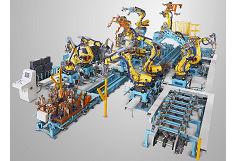
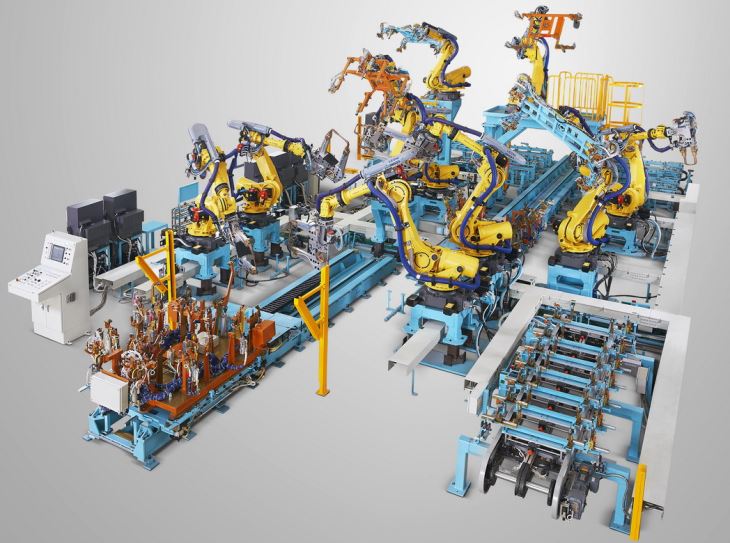
There are different types of steel used, too. Carbon steel is a common option. It's relatively inexpensive and offers good strength. Stainless steel, on the other hand, is corrosion - resistant. In a welding environment where there might be splashes of water or chemicals, stainless steel can prevent rusting and keep the jig in good condition. For example, in a Robotic Welding Fixture Line, steel jigs are often used to hold the parts in place during the automated welding process, ensuring consistent and accurate welds.
Aluminum
Aluminum is also a popular material for auto welding jigs. One of its biggest advantages is its low weight. In an automotive factory, where jigs might need to be moved around frequently, a lighter jig is much easier to handle. Workers can reposition the jigs more quickly and with less effort, which can improve the overall efficiency of the production line.
Despite its low weight, aluminum still has decent strength. It can handle the forces involved in welding operations, especially when it comes to smaller or less - stressed parts. Aluminum also has good thermal conductivity. This means that during the welding process, it can dissipate heat more effectively. Heat dissipation is important because excessive heat can cause the jig to expand and warp, leading to inaccurate welds.
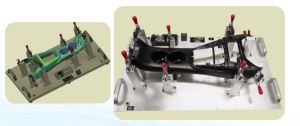
Aluminum is also corrosion - resistant, similar to stainless steel. It forms a thin oxide layer on its surface that protects it from rust and other forms of corrosion. In applications like Auto Pillar Parts Welding Fixture, aluminum jigs can be used to hold the pillar parts in place while ensuring that the jig remains in good condition over time.
Cast Iron
Cast iron has its own place in the world of auto welding jigs. It's known for its excellent vibration damping properties. In a welding environment, there can be a lot of vibrations from the welding equipment and the movement of parts. These vibrations can cause the jig to shift slightly, which can affect the accuracy of the welds. Cast iron can absorb these vibrations and keep the jig stable.
Cast iron is also very rigid. It can maintain its shape even under heavy loads, which is important when welding large or heavy automotive parts. However, it's a bit heavier than aluminum, so it might not be the best choice for applications where weight is a major concern. But for stationary jigs that need to provide a stable base for welding, cast iron is a great option.
Plastic
Plastic might seem like an unlikely material for auto welding jigs, but it has its uses. Some types of high - performance plastics are used, especially in situations where electrical insulation is required. In welding, there's a risk of electrical current flowing through the jig, which could be dangerous or cause interference with the welding process. Plastic jigs can prevent this from happening.
Plastic is also lightweight and can be easily molded into complex shapes. This makes it suitable for custom - designed jigs that need to fit specific automotive parts. However, plastic doesn't have the same strength and durability as steel, aluminum, or cast iron. So, it's usually used for less - stressed parts or in applications where the jig doesn't need to withstand a lot of force.
Composite Materials
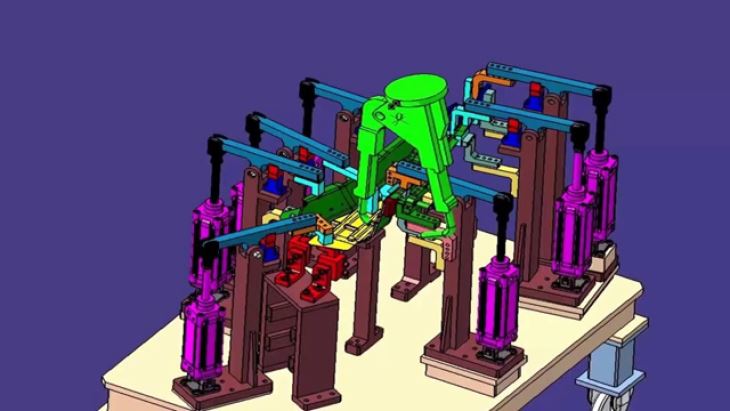
Composite materials are becoming more and more popular in the manufacturing of auto welding jigs. These materials are made by combining two or more different materials to get the best properties of each. For example, a composite might combine the strength of steel with the low weight of aluminum.
Composite materials can be tailored to meet specific requirements. They can be designed to have high strength - to - weight ratios, good thermal properties, and excellent corrosion resistance. This makes them ideal for advanced automotive welding applications where precision and performance are crucial.
Choosing the Right Material
When it comes to choosing the right material for an auto welding jig, there are several factors to consider. The first is the type of automotive parts being welded. If it's a large, heavy part, a stronger material like steel or cast iron might be needed. For smaller, lighter parts, aluminum or plastic could be sufficient.
The welding process itself also matters. Some welding methods generate a lot of heat, so a material with good thermal conductivity or heat resistance is important. The production environment is another factor. If the factory has a lot of moisture or chemicals, a corrosion - resistant material like stainless steel or aluminum is a better choice.
Cost is always a consideration, too. While some materials like steel and aluminum are relatively affordable, others like composite materials can be more expensive. But sometimes, the long - term benefits of using a more expensive material, such as lower maintenance costs and higher accuracy, can outweigh the initial investment.
Conclusion
As you can see, there are a variety of materials used to make auto welding jigs, each with its own unique properties and advantages. Whether it's the strength of steel, the lightness of aluminum, the vibration - damping of cast iron, the insulation of plastic, or the versatility of composite materials, the right choice of material can make a big difference in the efficiency and quality of automotive welding operations.
If you're in the market for high - quality auto welding jigs, we've got you covered. We offer a wide range of jigs made from the best materials to suit your specific needs. Whether you're looking for a Robotic Welding Fixture Line or an Auto Pillar Parts Welding Fixture, we can provide you with the perfect solution.
If you're interested in learning more or discussing your requirements, don't hesitate to reach out. We're here to help you find the best auto welding jigs for your automotive manufacturing needs. Let's work together to improve your production process and get the best results.
References
- ASM Handbook Committee. (2008). ASM Handbook, Volume 1: Properties and Selection: Irons, Steels, and High - Performance Alloys. ASM International.
- Callister, W. D., & Rethwisch, D. G. (2010). Materials Science and Engineering: An Introduction. Wiley.
- Dieter, G. E. (1986). Mechanical Metallurgy. McGraw - Hill.