What is the weight of a Cupholder CMM holding jig?
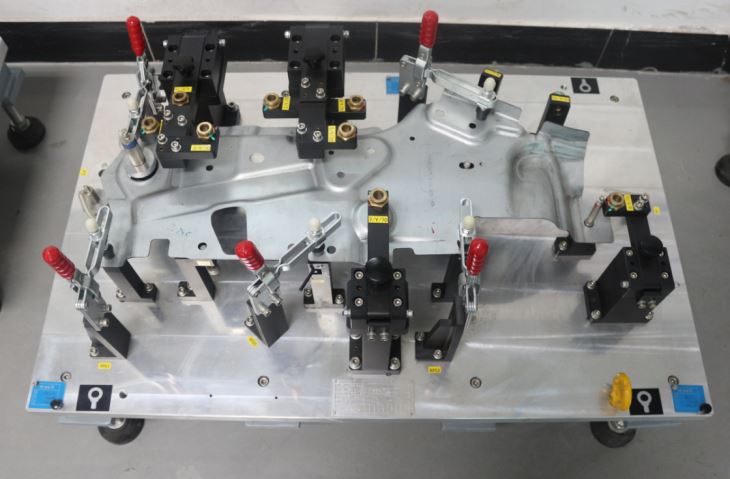
As a seasoned supplier of Cupholder CMM holding jigs, I often encounter inquiries about the weight of these essential tools. Understanding the weight of a Cupholder CMM holding jig is crucial for various reasons, including transportation, installation, and overall usability. In this blog post, I will delve into the factors that influence the weight of a Cupholder CMM holding jig and discuss its significance in the manufacturing process.
Factors Affecting the Weight of a Cupholder CMM Holding Jig
The weight of a Cupholder CMM holding jig is determined by several factors, each playing a significant role in its overall mass. Let's explore these factors in detail:
-
Material Selection: The choice of material is one of the primary factors influencing the weight of a Cupholder CMM holding jig. Different materials have varying densities, which directly impact the weight of the final product. Common materials used for Cupholder CMM holding jigs include aluminum, steel, and composite materials. Aluminum is known for its lightweight properties, making it an ideal choice for applications where weight reduction is a priority. On the other hand, steel is heavier but offers superior strength and durability. Composite materials, such as carbon fiber reinforced polymers, provide a balance between weight and strength, making them suitable for high-performance applications.
-
Design Complexity: The design of a Cupholder CMM holding jig also affects its weight. Complex designs with intricate features and multiple components tend to be heavier than simpler designs. This is because additional material is required to create the complex shapes and structures. For example, a Cupholder CMM holding jig with a multi-axis adjustable mechanism will likely be heavier than a basic fixed-position jig.
-
Size and Dimensions: The size and dimensions of a Cupholder CMM holding jig are directly proportional to its weight. Larger jigs require more material and, therefore, weigh more than smaller ones. Additionally, the thickness of the material used in the construction of the jig also contributes to its weight. Thicker materials provide greater strength and stability but also add to the overall mass.
-
Functionality and Features: The functionality and features of a Cupholder CMM holding jig can also impact its weight. Jigs with advanced features, such as automatic clamping systems, integrated sensors, or adjustable fixtures, may require additional components and mechanisms, which increase the weight. These features enhance the performance and versatility of the jig but come at the cost of added weight.
Significance of the Weight of a Cupholder CMM Holding Jig
The weight of a Cupholder CMM holding jig has several implications for the manufacturing process. Here are some key reasons why understanding the weight is important:
-
Transportation and Handling: The weight of a Cupholder CMM holding jig affects its transportation and handling. Heavy jigs may require specialized equipment and handling procedures to ensure safe and efficient transportation. Additionally, the weight of the jig can impact the cost of shipping, as heavier items typically incur higher freight charges.
-
Installation and Setup: The weight of a Cupholder CMM holding jig also plays a role in its installation and setup. Heavier jigs may require more time and effort to install, as they may need to be securely fastened to the work surface or machine. This can increase the setup time and potentially disrupt the production schedule.
-
Machine Compatibility: The weight of a Cupholder CMM holding jig must be compatible with the capabilities of the measuring machine or equipment it is intended to be used with. Excessive weight can put additional stress on the machine, potentially leading to premature wear and tear or reduced accuracy. It is important to ensure that the weight of the jig is within the recommended limits specified by the machine manufacturer.
-
Operator Comfort and Safety: The weight of a Cupholder CMM holding jig can also impact the comfort and safety of the operators. Heavy jigs may be difficult to handle and maneuver, increasing the risk of operator fatigue and injury. It is important to consider the ergonomics of the jig design and ensure that it can be easily operated by the personnel.
Determining the Weight of a Cupholder CMM Holding Jig
To determine the weight of a Cupholder CMM holding jig, it is necessary to consider the factors mentioned above. Here are the steps to calculate the approximate weight:
-
Material Density: Determine the density of the material used in the construction of the jig. This information can usually be obtained from the material supplier or reference manuals.
-
Volume Calculation: Calculate the volume of the jig by multiplying its length, width, and height. If the jig has a complex shape, it may be necessary to break it down into simpler geometric shapes and calculate the volume of each component separately.
-
Weight Calculation: Multiply the volume of the jig by the density of the material to obtain the weight. Make sure to use consistent units of measurement throughout the calculation.
It is important to note that the calculated weight is an approximation and may vary depending on the actual manufacturing process and any additional components or features added to the jig.

Conclusion
In conclusion, the weight of a Cupholder CMM holding jig is influenced by several factors, including material selection, design complexity, size and dimensions, and functionality. Understanding the weight of the jig is crucial for transportation, installation, machine compatibility, and operator comfort and safety. By considering these factors and calculating the approximate weight, manufacturers can make informed decisions when selecting a Cupholder CMM holding jig for their specific application.
As a supplier of Cupholder CMM Holding Fixture and Auto Metal Parts CMM Holding Fixture, we understand the importance of providing high-quality jigs that meet the specific requirements of our customers. Our team of experts can assist you in selecting the right jig for your application and provide guidance on weight considerations. If you have any questions or would like to discuss your requirements, please feel free to contact us for a consultation. We look forward to working with you to optimize your manufacturing process.
References
- "Materials Science and Engineering: An Introduction" by William D. Callister Jr. and David G. Rethwisch
- "Manufacturing Engineering and Technology" by S. Kalpakjian and S. R. Schmid
- "Metrology for Quality Control" by John A. Dobmeyer