What is the footprint of a Robotic MIG Weld Fixture?
Hey there! I'm a supplier of Robotic MIG Weld Fixtures, and today I wanna chat about the footprint of these awesome pieces of equipment. So, what exactly do we mean by the "footprint" of a Robotic MIG Weld Fixture?
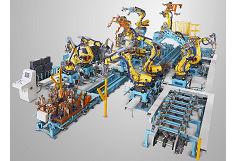
First off, the physical footprint is super important. It refers to the amount of floor space that the fixture takes up in a workshop or factory. In a manufacturing environment, every square inch of space counts. You don't want a fixture that's so huge it's gonna cramp up your work area and make it difficult for other equipment or workers to move around. A compact footprint is often a big selling point. For example, if you have a small - scale operation or a workshop with limited space, a Robotic MIG Weld Fixture with a small footprint can be a game - changer. It allows you to maximize the use of your available space and keep your production line running smoothly.
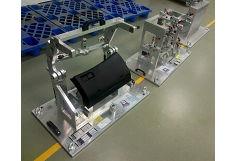
Let's talk about the design aspects that affect the physical footprint. Modern Robotic MIG Weld Fixtures are designed with efficiency in mind. They often use modular designs, which means that they can be easily disassembled and reassembled. This not only makes them more flexible in terms of installation but also helps in reducing the overall footprint when they're not in use. Some fixtures are also designed to be stackable, which is a great way to save space during storage.
But the footprint isn't just about the physical space. There's also an environmental footprint to consider. When it comes to the environmental side, a Robotic MIG Weld Fixture can have both positive and negative impacts. On the positive side, these fixtures are generally more energy - efficient compared to traditional welding methods. They use less power because they're more precise in their operation. The robots can be programmed to use just the right amount of energy needed for each weld, reducing waste.
In addition, a well - designed Robotic MIG Weld Fixture can also reduce material waste. Since the robots are highly accurate, they can place the welds exactly where they're needed, minimizing the amount of extra material that might be used in a less precise welding process. This not only saves on material costs but also has a positive impact on the environment by reducing the amount of waste that goes into landfills.
However, there are also some negative environmental aspects. The manufacturing process of these fixtures can be energy - intensive, especially when it comes to the production of the high - tech components like the robotic arms and control systems. And let's not forget about the disposal of these fixtures at the end of their life cycle. If not properly recycled, they can contribute to electronic waste, which is a growing problem in our society.
Now, let's look at how the footprint of a Robotic MIG Weld Fixture can impact your business. From a financial perspective, a smaller physical footprint can save you money on rent or mortgage payments for your workshop. You can fit more equipment or production lines in the same amount of space, which can lead to increased productivity and potentially higher profits.
In terms of environmental impact, more and more customers are becoming environmentally conscious. They prefer to do business with companies that are taking steps to reduce their environmental footprint. By using a Robotic MIG Weld Fixture with a relatively low environmental footprint, you can enhance your company's reputation and attract more customers.
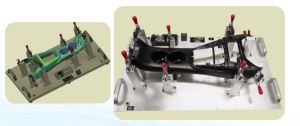
When it comes to specific applications, different industries have different requirements for the footprint of these fixtures. For example, in the automotive industry, where precision and high - volume production are key, a Robotic MIG Weld Fixture with a small footprint can be very beneficial. You can check out our Auto Pillar Parts Welding Fixture which is designed specifically for automotive applications. It has a compact design that allows for efficient use of space in an automotive production line.
Another industry that can benefit from a well - designed footprint is the aerospace industry. In aerospace manufacturing, space is often at a premium, and the parts being welded are usually very complex. A Robotic MIG Weld Fixture with a small footprint can be integrated into the existing production setup without causing too much disruption. Our Robotic Welding Fixture Line offers a range of options for different aerospace applications, all designed to optimize the use of space.
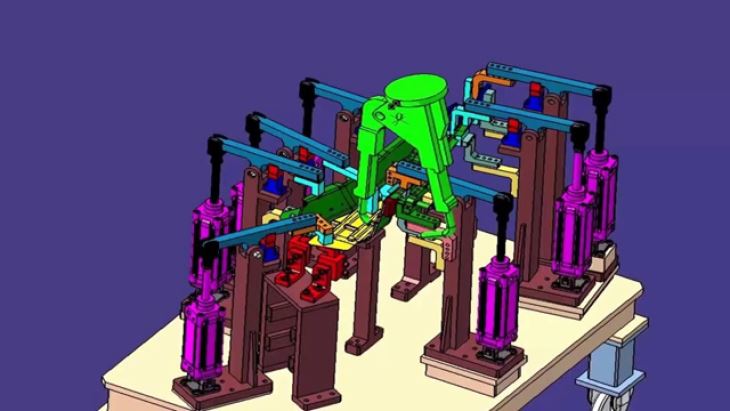
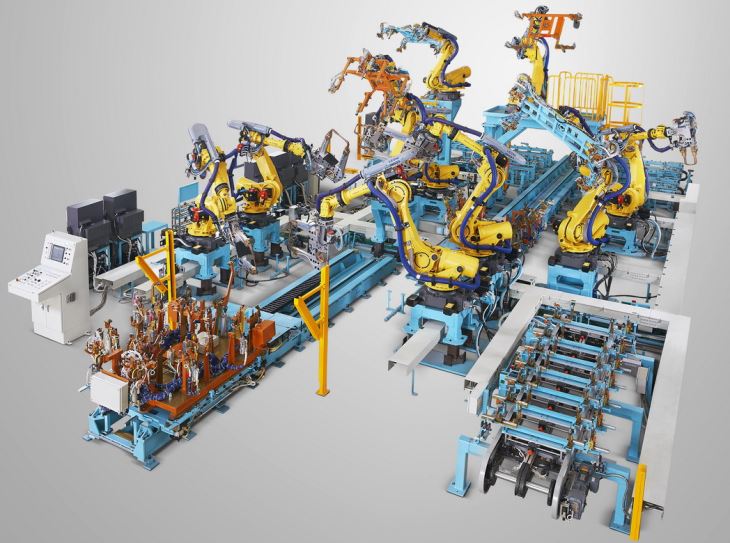
So, if you're in the market for a Robotic MIG Weld Fixture, it's important to consider both the physical and environmental footprints. Think about how much space you have in your workshop, your environmental goals, and your production requirements. We're here to help you find the perfect fixture that meets all your needs. Whether you're a small - scale manufacturer or a large - scale industrial operation, we've got the right solution for you.
If you're interested in learning more about our Robotic MIG Weld Fixtures or want to discuss your specific requirements, don't hesitate to reach out. We're always happy to have a chat and see how we can help you improve your welding process and make your business more efficient.
References:
- General knowledge of the welding industry and manufacturing processes.
- Internal research and development data on Robotic MIG Weld Fixtures.