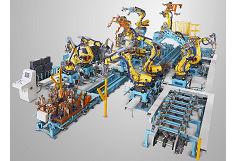
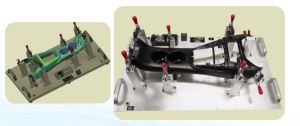
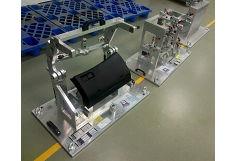
When it comes to the production of rear seats welding jigs, understanding the transportation requirements is crucial for ensuring that these precision tools reach their destination in optimal condition. As a supplier of rear seats welding jigs, I have gained extensive experience in navigating the complexities of transporting these specialized fixtures. In this blog, I will delve into the key transportation requirements for rear seats welding jigs, covering aspects such as packaging, handling, and shipping.
Packaging Requirements
Proper packaging is the first line of defense in protecting rear seats welding jigs during transportation. These jigs are often large, heavy, and delicate, with precise components that can be easily damaged if not adequately protected. Therefore, it is essential to use high - quality packaging materials and techniques to safeguard the jigs throughout the shipping process.
Material Selection
The choice of packaging materials depends on the size, weight, and design of the rear seats welding jig. For smaller jigs, corrugated cardboard boxes can provide sufficient protection. However, for larger and heavier jigs, wooden crates are often the preferred option. Wooden crates offer excellent structural support and can withstand the rigors of long - distance transportation. They can be custom - built to fit the specific dimensions of the jig, ensuring a snug and secure fit.
In addition to the outer packaging, internal cushioning materials are also necessary to absorb shocks and vibrations. Foam inserts, bubble wrap, and packing peanuts are commonly used to protect the delicate components of the welding jig. These materials can be placed around the jig to prevent it from shifting inside the packaging and to minimize the risk of damage.
Custom - Fit Design
A custom - fit packaging design is essential for rear seats welding jigs. The packaging should be tailored to the unique shape and features of the jig, with cutouts and compartments to hold the various components in place. This not only provides better protection but also makes it easier to load and unload the jig from the packaging. For example, if the jig has protruding parts or sharp edges, the packaging can be designed to accommodate these features without causing damage.
Labeling
Proper labeling of the packaging is also important. Labels should indicate the orientation of the jig, any handling instructions, and the weight and dimensions of the package. This information helps the shipping personnel to handle the package correctly and to ensure that it is loaded and unloaded safely.
Handling Requirements
Once the rear seats welding jig is properly packaged, it is important to ensure that it is handled correctly during transportation. Improper handling can lead to damage to the jig, which can result in costly repairs or replacements.
Loading and Unloading
During loading and unloading, it is crucial to use appropriate lifting equipment. Forklifts, cranes, or pallet jacks should be used to move the heavy and bulky welding jigs. The lifting points on the jig should be clearly marked, and the lifting equipment should be attached securely to these points. This ensures that the jig is lifted evenly and without causing any stress or damage to its components.
When loading the jig onto a vehicle, it should be placed on a stable and level surface. It is important to secure the jig to prevent it from shifting during transit. Straps, ropes, or clamps can be used to fasten the jig to the vehicle, ensuring that it remains in place even when the vehicle is in motion.
Transportation Mode
The choice of transportation mode also affects the handling requirements. For short - distance transportation, road freight is often the most convenient option. Trucks can be easily loaded and unloaded, and they offer flexibility in terms of delivery schedules. However, for long - distance or international transportation, sea freight or air freight may be more suitable.
Sea freight is a cost - effective option for transporting large and heavy rear seats welding jigs. However, it has a longer transit time, and the jigs may be exposed to harsh marine conditions. Therefore, additional protection may be required, such as waterproof covers and corrosion - resistant coatings. Air freight, on the other hand, is the fastest option but is more expensive. It is suitable for urgent deliveries or when the jig needs to be transported over long distances quickly.
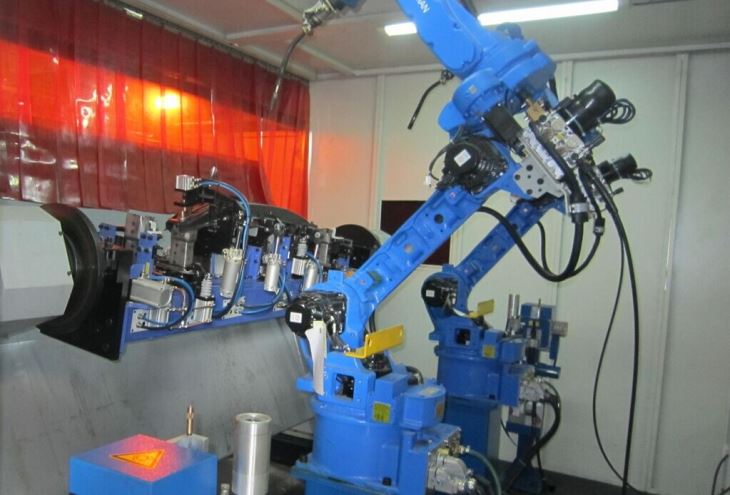

Shipping Requirements
In addition to packaging and handling, there are also several shipping requirements that need to be considered when transporting rear seats welding jigs.
Documentation
Proper documentation is essential for shipping rear seats welding jigs. This includes a bill of lading, which provides details about the shipment, such as the origin, destination, and contents of the package. A commercial invoice is also required, which includes information about the value of the jig and the terms of sale. Other documents, such as certificates of origin and export licenses, may be necessary depending on the destination country.
Insurance
It is highly recommended to purchase insurance for the rear seats welding jig during transportation. Shipping insurance provides financial protection in case the jig is damaged, lost, or stolen during transit. The insurance policy should cover the full value of the jig, including any shipping costs. When selecting an insurance provider, it is important to choose a reputable company that offers comprehensive coverage and has a good track record of handling claims.
Regulatory Compliance
Shipping rear seats welding jigs may be subject to various regulations and customs requirements. It is important to familiarize yourself with the regulations of the destination country and to ensure that all necessary permits and clearances are obtained. For example, some countries may have restrictions on the import of certain types of equipment or may require specific safety certifications.
Related Products and Services
As a supplier of rear seats welding jigs, we also offer a range of related products and services. Our Front Bumper Welding Fixture is designed to provide precise and reliable welding for front bumpers, ensuring high - quality production. Our Car Stamping Parts checking fixture is used to inspect the quality of car stamping parts, helping to maintain strict quality control standards. And our Automotive Seat Welding Fixture is specifically designed for the welding of automotive seats, offering efficient and accurate welding solutions.
Conclusion
Transporting rear seats welding jigs requires careful planning and attention to detail. By following the proper packaging, handling, and shipping requirements, we can ensure that these valuable tools reach their destination in perfect condition. At our company, we are committed to providing high - quality rear seats welding jigs and ensuring that they are transported safely and efficiently. If you are in the market for rear seats welding jigs or any of our related products, we invite you to contact us for a detailed discussion and to explore the possibilities of a successful partnership.
References
- "Packaging and Shipping Guidelines for Industrial Equipment", Industrial Packaging Association
- "Transportation Regulations for Machinery and Equipment", International Transportation Authority