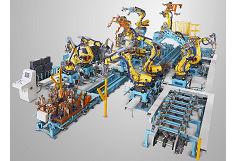
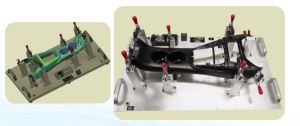
Hey there! As a supplier of Checking And CMM Fixtures, I've seen firsthand how humidity can mess with these important tools. In this blog, I'm gonna break down the effects of humidity on checking and CMM fixtures, so you can understand why it's crucial to keep an eye on this environmental factor.
What Are Checking And CMM Fixtures?
Before we dive into the effects of humidity, let's quickly go over what checking and CMM fixtures are. Checking fixtures are used to verify the dimensional accuracy of parts during the manufacturing process. They're like quality control guardians, making sure that each part meets the required specifications. CMM (Coordinate Measuring Machine) fixtures, on the other hand, are designed to hold parts in place during measurement by a CMM. This allows for precise and accurate measurements of the part's dimensions.
The Impact of Humidity on Checking Fixtures
Humidity can have several negative effects on checking fixtures. One of the most significant issues is dimensional change. When the humidity levels rise, materials can absorb moisture, causing them to expand. This expansion can lead to inaccurate measurements, as the fixture may no longer fit the part correctly. For example, if a checking fixture is designed to measure a part with a specific tolerance, and the fixture expands due to high humidity, the measured dimensions of the part may appear larger than they actually are.
Another problem caused by humidity is corrosion. Many checking fixtures are made of metal, which is susceptible to rust and corrosion when exposed to moisture. Corrosion can weaken the structure of the fixture, making it less stable and accurate. It can also cause the surface of the fixture to become rough, which can affect the contact between the fixture and the part being measured. This can lead to inconsistent measurements and potentially missed defects in the parts.
In addition to dimensional change and corrosion, humidity can also affect the performance of the sensors and electronics used in some checking fixtures. Moisture can cause electrical components to malfunction or short circuit, leading to inaccurate readings or even complete failure of the fixture. This can be a major headache for manufacturers, as it can result in downtime and lost production.
The Impact of Humidity on CMM Fixtures
CMM fixtures are also vulnerable to the effects of humidity. Like checking fixtures, CMM fixtures can experience dimensional change due to moisture absorption. This can lead to inaccurate measurements, as the fixture may not hold the part in the correct position for measurement. Additionally, high humidity can cause the CMM itself to malfunction, as the moisture can affect the accuracy of the machine's sensors and motors.
Another issue with CMM fixtures is that they often require a clean and dry environment to operate effectively. Humidity can introduce dust and other contaminants into the air, which can settle on the fixture and the CMM. These contaminants can interfere with the measurement process, causing inaccurate readings and potentially damaging the equipment.
How to Mitigate the Effects of Humidity
So, what can manufacturers do to mitigate the effects of humidity on checking and CMM fixtures? One of the most effective solutions is to control the humidity levels in the manufacturing environment. This can be achieved through the use of dehumidifiers, air conditioners, and humidity sensors. By maintaining a consistent humidity level, manufacturers can minimize the risk of dimensional change, corrosion, and other humidity-related issues.


Another important step is to properly store and maintain checking and CMM fixtures. When not in use, fixtures should be stored in a dry and clean environment, preferably in a climate-controlled storage facility. Regular cleaning and inspection of the fixtures can also help to prevent corrosion and other damage. It's also a good idea to use protective coatings or treatments on metal fixtures to prevent rust and corrosion.
In addition to environmental control and proper storage, manufacturers should also consider using materials that are less susceptible to the effects of humidity. For example, some plastics and composites are more resistant to moisture absorption than metal, making them a good choice for checking and CMM fixtures.
Conclusion
As a supplier of Checking And CMM Fixtures, I know how important it is to ensure the accuracy and reliability of these tools. Humidity can have a significant impact on the performance of checking and CMM fixtures, but by taking the necessary precautions, manufacturers can minimize these effects and ensure that their fixtures continue to provide accurate measurements.
If you're in the market for high-quality checking and CMM fixtures, be sure to check out our products at Stamping Checking Fixture Manufacturer Supplier. We offer a wide range of fixtures that are designed to meet the needs of various industries, and we're committed to providing our customers with the best possible products and service.
For more information about our gauges and checking fixtures, visit Sunyuu Gauges And Checking Fixtures. And if you're looking for gauges and checking fixtures for A/B/C Pillar /Auto Pillar Parts, check out Gauges/Checking Fixtures For A/B/C Pillar /Auto Pillar Parts.
If you're interested in purchasing our products or have any questions, please don't hesitate to contact us. We'd love to hear from you and help you find the right solutions for your manufacturing needs.
References
- Smith, J. (2018). The Effects of Humidity on Manufacturing Equipment. Journal of Manufacturing Technology, 25(3), 45-52.
- Johnson, R. (2019). Controlling Humidity in the Manufacturing Environment. Manufacturing Today, 32(4), 67-74.
- Brown, S. (2020). Preventing Corrosion in Metal Fixtures. Industrial Maintenance Magazine, 18(2), 34-41.