As a supplier of Robotic MIG Weld Fixtures, I've witnessed firsthand the evolution of welding technology and the increasing demand for more efficient, precise, and flexible welding solutions. Upgrading a robotic MIG weld fixture is not just about keeping up with the latest trends; it's about enhancing productivity, improving quality, and staying competitive in the market. In this blog post, I'll share some insights and practical tips on how to upgrade your robotic MIG weld fixture effectively.
Understanding the Need for Upgrade
Before diving into the upgrade process, it's essential to understand why you need to upgrade your robotic MIG weld fixture. There are several reasons why you might consider an upgrade:
Improved Productivity
Older fixtures may have slower cycle times, longer setup times, or limited automation capabilities. Upgrading to a new fixture can significantly reduce cycle times, increase throughput, and improve overall productivity. For example, a modern fixture may incorporate advanced clamping mechanisms, quick-change tooling, or automated part handling systems that can speed up the welding process.
Enhanced Quality
Welding quality is crucial in many industries, and even minor defects can lead to costly rework or product failures. Upgrading your fixture can help improve welding quality by providing better part positioning, more consistent clamping force, and reduced distortion. New fixtures may also feature advanced sensing technologies that can detect and correct welding errors in real-time, ensuring high-quality welds every time.
Increased Flexibility
In today's dynamic manufacturing environment, the ability to quickly adapt to changing production requirements is essential. Upgrading your fixture can provide greater flexibility by allowing you to weld different part geometries, materials, or sizes without significant retooling. For example, a modular fixture design can be easily reconfigured to accommodate different part sizes or welding processes, reducing setup times and increasing production flexibility.
Cost Savings
While upgrading a fixture may require an initial investment, it can result in significant cost savings in the long run. By improving productivity, quality, and flexibility, you can reduce labor costs, minimize scrap and rework, and increase overall efficiency. Additionally, new fixtures may be more energy-efficient, reducing your energy consumption and operating costs.
Assessing Your Current Fixture
Once you've determined the need for an upgrade, the next step is to assess your current fixture. This will help you identify its strengths and weaknesses and determine the specific areas that need improvement. Here are some key factors to consider when assessing your current fixture:
Design and Construction
Evaluate the overall design and construction of your fixture. Is it made of high-quality materials? Does it have a robust and stable structure? Are the clamping mechanisms and tooling easy to use and maintain? A well-designed fixture will provide better part support, more consistent clamping force, and longer service life.
Welding Performance
Assess the welding performance of your fixture. Does it provide accurate part positioning and alignment? Does it minimize distortion and weld spatter? Are the welds of high quality and consistent? If you're experiencing issues with welding quality or performance, it may be a sign that your fixture needs to be upgraded.
Automation and Control
Consider the level of automation and control in your fixture. Does it have automated part handling systems, such as robots or conveyors? Does it feature advanced sensing technologies, such as laser sensors or vision systems? Can it be integrated with your existing manufacturing systems, such as your ERP or MES? Upgrading to a more automated and intelligent fixture can improve productivity, quality, and flexibility.
Maintenance and Serviceability
Evaluate the maintenance and serviceability of your fixture. Is it easy to access and clean? Are the components easy to replace or repair? Does it have a reliable and efficient lubrication system? A fixture that is easy to maintain and service will reduce downtime and increase overall productivity.
Choosing the Right Upgrade Options
Based on your assessment of the current fixture, you can now choose the right upgrade options that meet your specific needs and requirements. Here are some common upgrade options to consider:
Modular Design
A modular fixture design allows you to easily reconfigure the fixture to accommodate different part sizes, geometries, or welding processes. This provides greater flexibility and reduces setup times. Modular fixtures typically consist of a base plate and a series of interchangeable tooling modules that can be quickly and easily installed or removed.
Advanced Clamping Mechanisms
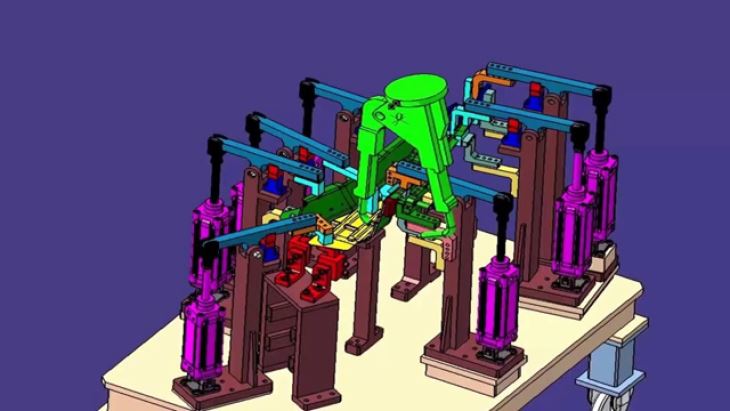
Upgrading to advanced clamping mechanisms, such as pneumatic or hydraulic clamps, can provide more consistent clamping force and better part positioning. These clamps can be adjusted to apply the appropriate amount of force based on the part size and material, ensuring a secure and stable hold during the welding process.
Quick-Change Tooling
Quick-change tooling systems allow you to quickly and easily change the welding torch, nozzle, or other tooling components without significant downtime. This can reduce setup times and increase productivity, especially when welding different part geometries or materials.
Automated Part Handling
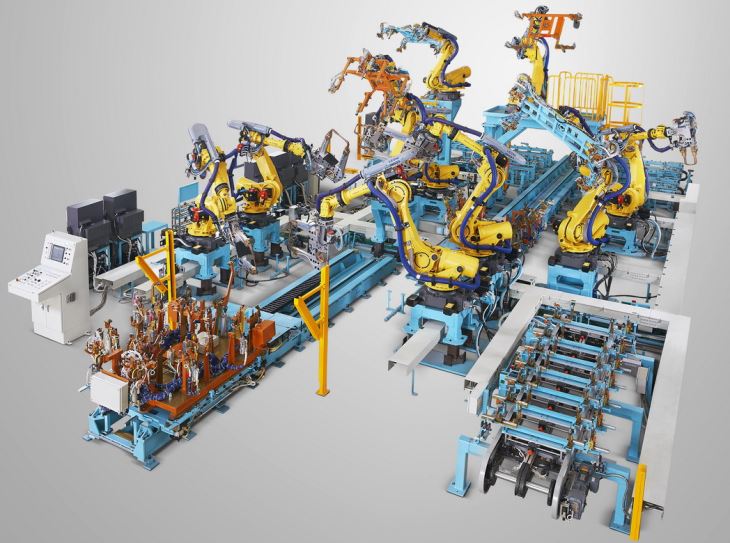
Automated part handling systems, such as robots or conveyors, can significantly improve productivity by reducing manual labor and increasing throughput. These systems can be programmed to pick up, position, and weld parts automatically, reducing the risk of human error and improving overall quality.
Advanced Sensing Technologies
Advanced sensing technologies, such as laser sensors or vision systems, can provide real-time feedback on part position, alignment, and welding quality. These sensors can detect and correct welding errors in real-time, ensuring high-quality welds every time. They can also be used to monitor the welding process and provide data for process optimization and quality control.
Integration with Manufacturing Systems
Integrating your fixture with your existing manufacturing systems, such as your ERP or MES, can provide greater visibility and control over your production process. This allows you to track and manage your inventory, schedule production, and monitor quality in real-time, improving overall efficiency and productivity.
Implementing the Upgrade
Once you've chosen the right upgrade options, the next step is to implement the upgrade. Here are some key steps to follow when implementing the upgrade:
Planning and Preparation
Develop a detailed plan for the upgrade, including a timeline, budget, and resource requirements. Identify any potential risks or challenges and develop contingency plans to address them. Ensure that you have all the necessary tools, equipment, and materials on hand before starting the upgrade.
Installation and Testing
Install the new components and systems according to the manufacturer's instructions. Test the fixture thoroughly to ensure that it is working properly and that the welding performance has improved. Make any necessary adjustments or modifications to the fixture to optimize its performance.
Training and Education
Provide training and education to your operators and maintenance personnel on how to use and maintain the upgraded fixture. Ensure that they understand the new features and functions of the fixture and are familiar with the safety procedures and best practices.
Monitoring and Evaluation
Monitor the performance of the upgraded fixture closely to ensure that it is meeting your expectations. Collect data on key performance indicators, such as cycle time, quality, and productivity, and use this data to evaluate the effectiveness of the upgrade. Make any necessary adjustments or improvements to the fixture based on the monitoring and evaluation results.
Conclusion
Upgrading a robotic MIG weld fixture is a complex process that requires careful planning, preparation, and implementation. By understanding the need for an upgrade, assessing your current fixture, choosing the right upgrade options, and implementing the upgrade effectively, you can enhance productivity, improve quality, and stay competitive in the market.
If you're interested in learning more about upgrading your robotic MIG weld fixture or Auto Pillar Parts Welding Fixture or Robotic Welding Fixture Line, please don't hesitate to contact us. Our team of experts will be happy to assist you in finding the right solution for your specific needs and requirements.
References
- ASME Boiler and Pressure Vessel Code
- AWS D1.1 Structural Welding Code - Steel
- ISO 9001 Quality Management Systems
- OSHA Welding and Cutting Standards