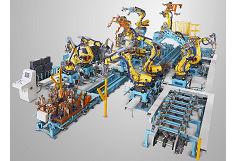
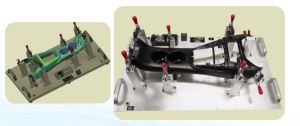
Transporting an A PILLAR welding fixture is a critical process that requires careful planning and execution. As a supplier of A PILLAR welding fixtures, I understand the importance of ensuring that these fixtures reach their destination safely and in optimal condition. In this blog post, I will share some insights and best practices on how to transport an A PILLAR welding fixture effectively.
Understanding the A PILLAR Welding Fixture
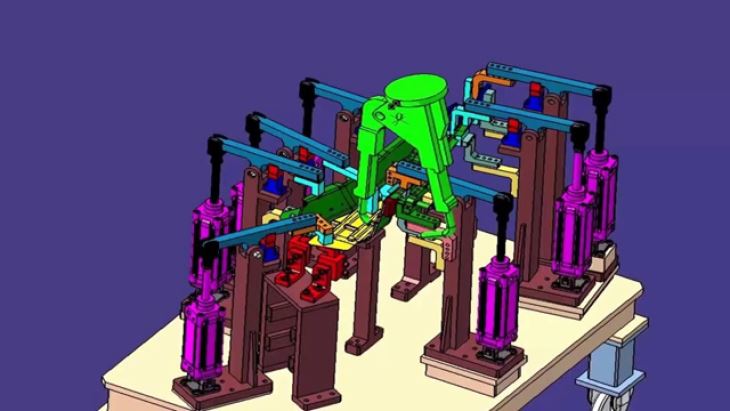
Before delving into the transportation process, it's essential to have a clear understanding of what an A PILLAR welding fixture is. An A PILLAR welding fixture is a specialized tool used in the automotive manufacturing industry to hold and position A PILLAR components during the welding process. These fixtures are designed to ensure precise alignment and welding of the A PILLAR parts, which are crucial for the structural integrity and safety of the vehicle.
The A PILLAR welding fixtures are typically large, heavy, and complex pieces of equipment. They are often made of high - strength steel or other durable materials to withstand the rigors of the welding process. Due to their size and weight, transporting them requires special considerations.
Pre - Transportation Preparation
Inspection and Maintenance
Before transporting the A PILLAR welding fixture, a thorough inspection should be carried out. Check for any signs of damage, wear, or loose parts. Ensure that all moving components are properly lubricated and functioning correctly. Any issues identified during the inspection should be addressed immediately to prevent further damage during transportation.
Disassembly (if necessary)
In some cases, it may be advisable to disassemble the A PILLAR welding fixture into smaller, more manageable parts. This can reduce the overall weight and size of the load, making it easier to transport. However, disassembly should be done carefully, following the manufacturer's instructions. All parts should be labeled and packed separately to ensure easy reassembly at the destination.
Packaging
Proper packaging is crucial to protect the A PILLAR welding fixture during transportation. Use high - quality packing materials such as foam, bubble wrap, and wooden crates. The fixture should be securely fastened inside the crate to prevent movement. If there are any delicate or sensitive components, they should be given extra protection.
Choosing the Right Transportation Method
Road Transport
Road transport is a common choice for transporting A PILLAR welding fixtures, especially for short - to medium - distance deliveries. When choosing a road transport provider, look for a company with experience in transporting heavy and oversized equipment. Ensure that the truck is equipped with the necessary safety features and has a suitable loading capacity.
Rail Transport
For longer distances, rail transport can be a more cost - effective and environmentally friendly option. Railways are well - suited for transporting heavy and bulky items. However, rail transport may require additional handling at the loading and unloading points, so it's important to coordinate with the rail operator to ensure a smooth transfer.
Sea Transport
If the A PILLAR welding fixture needs to be transported overseas, sea transport is the most practical option. When shipping by sea, the fixture should be packed in a shipping container. Choose a reliable shipping line with a good track record in handling heavy machinery. It's also important to consider factors such as shipping schedules, transit times, and customs clearance procedures.
Loading and Unloading
Loading
Loading the A PILLAR welding fixture onto the transport vehicle requires specialized equipment such as cranes or forklifts. The loading process should be carried out by trained professionals to ensure the safety of the fixture and the workers. The fixture should be loaded in a way that distributes the weight evenly and prevents it from shifting during transit.
Unloading
At the destination, the unloading process should be just as carefully planned. Use the same or similar equipment as used for loading. Once unloaded, the fixture should be inspected again to ensure that it has not been damaged during transportation.
Safety Considerations
Securing the Load
During transportation, the A PILLAR welding fixture must be securely fastened to prevent movement. Use straps, chains, or other appropriate securing devices. The load should be checked regularly during transit to ensure that the securing devices are still in place and tight.
Compliance with Regulations
When transporting an A PILLAR welding fixture, it's important to comply with all relevant transportation regulations. This includes obtaining the necessary permits for oversized or overweight loads. Failure to comply with regulations can result in fines and delays.
Insurance
It's highly recommended to purchase insurance for the A PILLAR welding fixture during transportation. Insurance can provide financial protection in case of damage, loss, or theft. Make sure to choose an insurance policy that covers the full value of the fixture and includes all the necessary coverage for the chosen transportation method.
Reassembly and Testing
Once the A PILLAR welding fixture has been transported and unloaded, it may need to be reassembled. Follow the disassembly instructions in reverse order to ensure proper reassembly. After reassembly, conduct a thorough testing of the fixture to ensure that it is functioning correctly. This may involve checking the alignment, movement of components, and the overall performance of the fixture during a test welding operation.
Conclusion
Transporting an A PILLAR welding fixture is a complex process that requires careful planning, attention to detail, and adherence to safety regulations. By following the best practices outlined in this blog post, you can ensure that your A PILLAR welding fixture is transported safely and arrives at its destination in optimal condition.
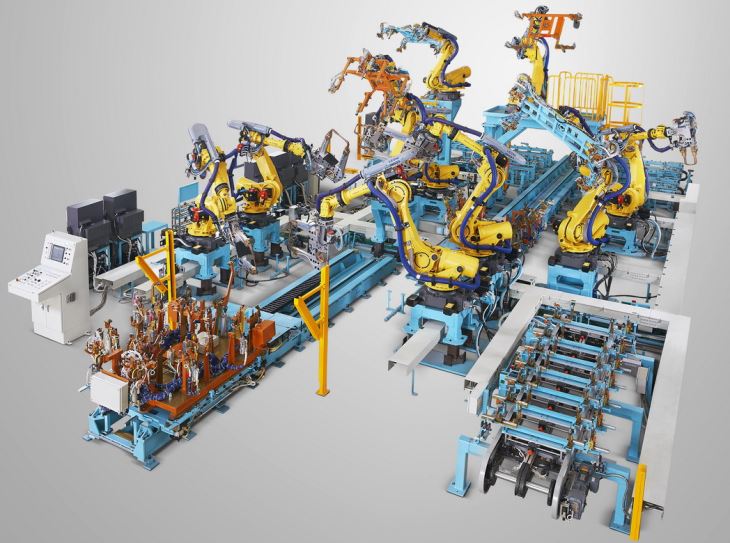
If you are in the market for high - quality A PILLAR welding fixtures or need more information about their transportation, we are here to help. We offer a wide range of Auto Pillar Parts Welding Fixture and Robotic Welding Fixture Line products to meet your specific needs. Contact us today to start a procurement discussion and find the best solution for your automotive manufacturing requirements.
References
- Automotive Manufacturing Handbook
- Transportation Regulations Guide for Heavy Equipment