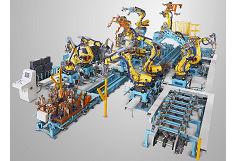
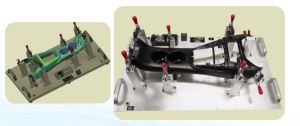
Hey there! As a supplier of Robotic MIG Weld Fixtures, I've seen firsthand how crucial it is to monitor the operation status of these fixtures. In this blog, I'll share some practical tips on how to do just that.
Why Monitoring is Important
First off, let's talk about why monitoring the operation status of a Robotic MIG Weld Fixture is so important. These fixtures are used in high - precision welding processes, and any issues with their operation can lead to a whole bunch of problems. For example, if the fixture isn't holding the workpiece correctly, the weld quality will suffer. You might end up with weak joints, uneven welds, or even parts that don't fit together properly.
Moreover, continuous monitoring helps in early detection of wear and tear. Fixtures are subject to a lot of stress during the welding process, and components like clamps, locators, and guides can wear out over time. By keeping an eye on the operation status, you can catch these issues before they turn into major breakdowns, which can save you a ton of time and money in the long run.
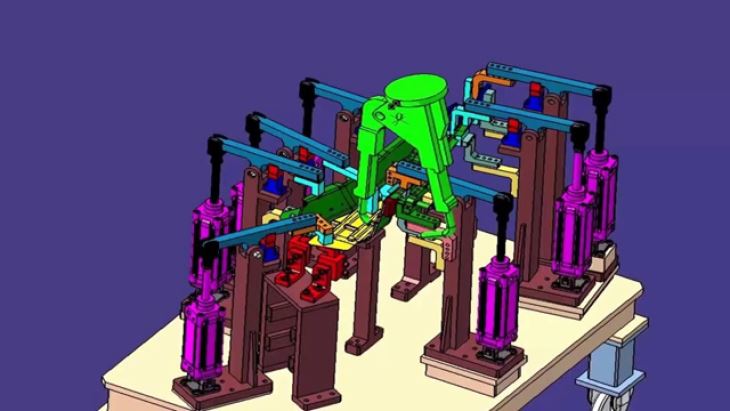
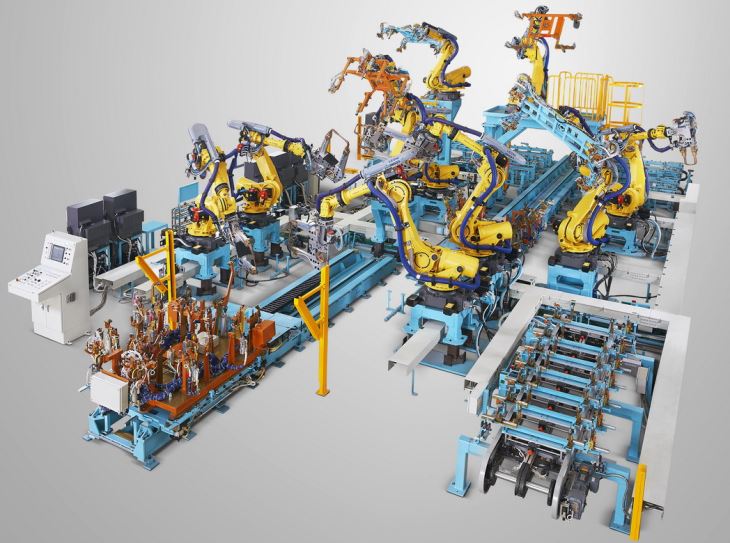
Key Parameters to Monitor
1. Positioning Accuracy
One of the most important things to monitor is the positioning accuracy of the fixture. The fixture needs to hold the workpiece in the exact right position for the welding robot to do its job properly. You can use sensors to measure the position of the workpiece within the fixture. For instance, laser sensors can be installed to detect any deviations from the ideal position. If the readings show that the workpiece is out of place, you can quickly take corrective action, like adjusting the clamps or realigning the fixture.
2. Clamping Force
The clamping force is another critical parameter. Insufficient clamping force can cause the workpiece to move during welding, while excessive force can damage the workpiece or the fixture itself. You can use force sensors to monitor the clamping force. These sensors can be integrated into the clamps, and they'll send real - time data about the force being applied. If the clamping force is too low or too high, you can make the necessary adjustments to ensure optimal performance.
3. Temperature
The temperature of the fixture can also have a big impact on its operation. High temperatures can cause the fixture to expand, which can affect the positioning accuracy. Additionally, excessive heat can damage the components of the fixture over time. You can use temperature sensors to monitor the temperature at different points on the fixture. If the temperature rises above a certain threshold, you might need to implement cooling measures, like using a coolant system.
4. Vibration
Vibration is often an indicator of problems within the fixture. Excessive vibration can be caused by issues such as loose components, misaligned parts, or problems with the welding process itself. You can use vibration sensors to detect and analyze the vibration patterns. By monitoring the vibration, you can identify potential problems early and take steps to fix them before they cause major damage.
Monitoring Tools and Techniques
1. Sensor Systems
As mentioned earlier, sensors are the backbone of any monitoring system. There are a variety of sensors available for different parameters. In addition to the laser, force, temperature, and vibration sensors, you can also use proximity sensors to detect the presence of the workpiece in the fixture. These sensors can be connected to a central control system, which will collect and analyze the data.
2. Data Logging and Analysis
Once you have the data from the sensors, it's important to log and analyze it. You can use software to record the sensor readings over time. This data can then be analyzed to identify trends and patterns. For example, if you notice that the clamping force is gradually decreasing over a period of time, it could be a sign that the clamps are wearing out. By analyzing the data, you can make informed decisions about maintenance and replacement of components.
3. Visual Inspection
Don't underestimate the power of visual inspection. Regularly inspecting the fixture with your own eyes can help you spot issues that might not be detected by sensors. Look for signs of wear and tear, such as cracks, corrosion, or loose parts. You can also check for any signs of damage to the workpiece or the fixture during the welding process. Visual inspection should be done in conjunction with sensor - based monitoring for a comprehensive approach.
Remote Monitoring
In today's digital age, remote monitoring has become a game - changer. You can set up a system that allows you to monitor the operation status of the Robotic MIG Weld Fixture from anywhere in the world. This is especially useful if you have multiple fixtures in different locations. With remote monitoring, you can access the sensor data, view live video feeds of the fixture, and even control certain functions of the fixture remotely. This can save you a lot of time and effort, as you don't have to be physically present at the site to monitor the operation.
Troubleshooting Based on Monitoring Results
Once you have the monitoring data, it's time to use it to troubleshoot any issues. If you notice a problem with the positioning accuracy, for example, you can start by checking the sensors to make sure they're working correctly. Then, you can inspect the mechanical components of the fixture, like the guides and rails, to see if there's any damage or misalignment.
If the clamping force is off, you can check the hydraulic or pneumatic systems that control the clamps. Look for leaks, blockages, or other issues that might be affecting the force. In some cases, you might need to replace worn - out components, like seals or valves.
Conclusion
Monitoring the operation status of a Robotic MIG Weld Fixture is essential for ensuring high - quality welding and preventing costly breakdowns. By monitoring key parameters like positioning accuracy, clamping force, temperature, and vibration, and using the right tools and techniques, you can keep your fixtures running smoothly.
If you're in the market for a reliable Robotic MIG Weld Fixture or need more information about monitoring solutions, we're here to help. We offer a wide range of products, including the Auto Pillar Parts Welding Fixture and Robotic Welding Fixture Line. Feel free to reach out to us for a consultation and let's discuss how we can meet your specific needs.
References
- "Industrial Automation: Monitoring and Control" by John Smith
- "Welding Fixture Design and Optimization" by Jane Doe
- Technical manuals from leading sensor manufacturers