Can an Auto Welding Jig be Used for Sheet Metal Welding?
In the world of manufacturing, welding is a crucial process, especially when it comes to sheet metal work. Sheet metal is widely used in various industries, from automotive to aerospace, due to its lightweight, durability, and formability. One of the tools that often comes into play in welding operations is the auto welding jig. As an auto welding jig supplier, I am frequently asked whether these jigs can be effectively used for sheet metal welding. In this blog post, I will delve into this question, exploring the capabilities, advantages, and considerations of using auto welding jigs for sheet metal welding.
Understanding Auto Welding Jigs
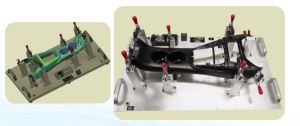
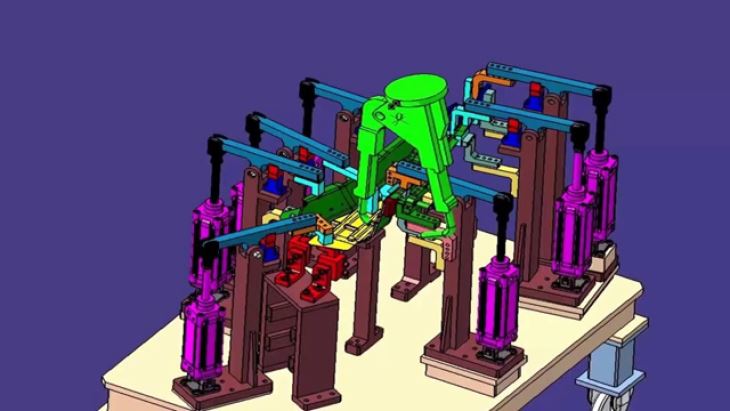
Auto welding jigs are specialized tools designed to hold and position workpieces during the welding process. They are engineered to ensure precise alignment and stability, which are essential for producing high - quality welds. These jigs can be customized to fit specific workpiece geometries and welding requirements. They are often used in automated welding systems, where they play a vital role in streamlining the production process and improving efficiency.
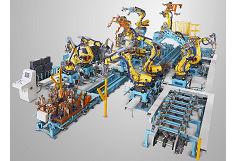
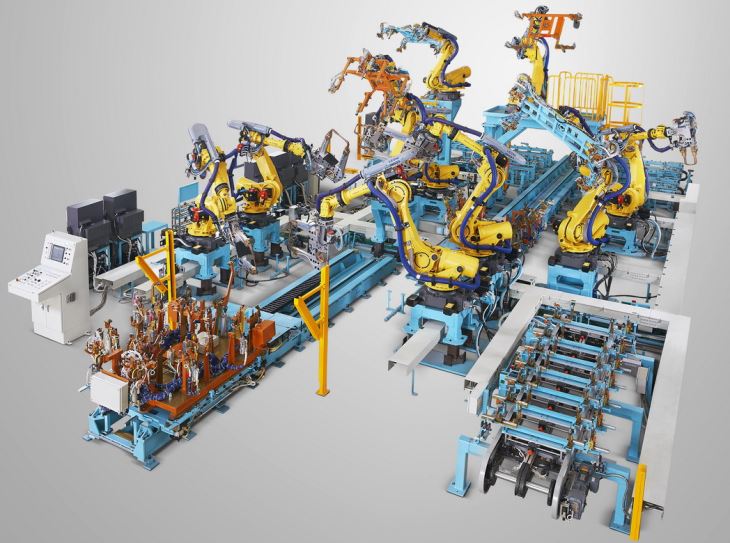
Auto welding jigs come in various types, including Robotic Welding Fixture Line, which is designed for use with robotic welding systems. These fixtures are capable of handling complex welding tasks with high precision and repeatability. Another type is the Auto Pillar Parts Welding Fixture, which is specifically tailored for welding auto pillar parts, ensuring accurate alignment and strong welds.
Can Auto Welding Jigs be Used for Sheet Metal Welding?
The short answer is yes, auto welding jigs can be used for sheet metal welding, and they offer several significant advantages in this application.
Precise Alignment
One of the primary challenges in sheet metal welding is achieving precise alignment of the workpieces. Sheet metal is often thin and can be easily distorted during the welding process. Auto welding jigs are designed to hold the sheet metal pieces in the correct position, ensuring that the welds are made exactly where they are needed. This results in consistent and high - quality welds, reducing the likelihood of defects such as misalignment, gaps, or uneven weld beads.
Improved Stability
Sheet metal can be difficult to hold steady during welding, especially when using manual welding techniques. Auto welding jigs provide a stable platform for the sheet metal, preventing it from moving or shifting during the welding process. This stability is crucial for producing strong and reliable welds. It also allows for more efficient welding, as the welder can focus on the welding operation without having to worry about holding the workpiece in place.
Increased Productivity
In a production environment, time is money. Auto welding jigs can significantly increase productivity in sheet metal welding operations. By automating the process of holding and positioning the workpieces, these jigs reduce the setup time required for each welding job. They also allow for faster welding speeds, as the welder can work more efficiently with a stable and accurately positioned workpiece. Additionally, the repeatability of auto welding jigs ensures that each weld is consistent, reducing the need for rework and improving overall production output.
Enhanced Safety
Welding can be a dangerous process, especially when dealing with sheet metal. Auto welding jigs can help improve safety in the workplace by reducing the risk of injuries associated with holding and positioning the workpieces. By keeping the sheet metal securely in place, these jigs minimize the chances of the workpiece slipping or falling, which could cause harm to the welder or damage to the equipment.
Considerations When Using Auto Welding Jigs for Sheet Metal Welding
While auto welding jigs offer many advantages for sheet metal welding, there are also some considerations that need to be taken into account.
Material Thickness
Sheet metal comes in a variety of thicknesses, and different thicknesses may require different types of auto welding jigs. Thinner sheet metal may require more delicate fixtures to prevent damage during the welding process, while thicker sheet metal may need more robust jigs to provide sufficient support. It is important to choose an auto welding jig that is suitable for the specific thickness of the sheet metal being welded.
Welding Process
There are several welding processes available for sheet metal welding, including MIG (Metal Inert Gas) welding, TIG (Tungsten Inert Gas) welding, and spot welding. Each welding process has its own requirements and characteristics, and the auto welding jig needs to be compatible with the chosen welding process. For example, some welding processes may generate more heat than others, which could affect the performance of the jig. It is essential to select a jig that can withstand the heat and other conditions associated with the specific welding process.
Customization
Sheet metal workpieces often have unique geometries and requirements, and a one - size - fits - all approach may not be suitable. Auto welding jigs can be customized to meet the specific needs of the sheet metal welding job. However, customization can add to the cost and lead time of the jig. It is important to work with a supplier who has the expertise and capabilities to design and manufacture custom auto welding jigs.
Conclusion
In conclusion, auto welding jigs can be an excellent choice for sheet metal welding. They offer precise alignment, improved stability, increased productivity, and enhanced safety. However, it is important to consider factors such as material thickness, welding process, and customization when selecting an auto welding jig for sheet metal welding.
As an auto welding jig supplier, I have the knowledge and experience to help you choose the right jig for your sheet metal welding needs. Whether you are looking for a standard jig or a custom - designed solution, I can provide you with high - quality products that will meet your requirements. If you are interested in learning more about our auto welding jigs or would like to discuss your specific welding needs, please feel free to contact me. We are always happy to assist you in finding the best solution for your manufacturing process.
References
- AWS Welding Handbook, Volume 2: Welding Processes. American Welding Society.
- "Sheet Metal Welding: Principles and Practices" by John Doe. Industrial Press.
- "Automated Welding Systems: Design and Implementation" by Jane Smith. Wiley - Interscience.