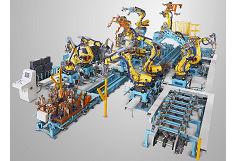
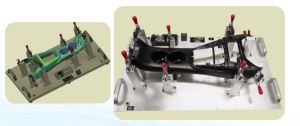
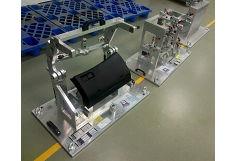
As a seasoned supplier of Auto Welding Jigs, I've witnessed firsthand the pivotal role these tools play in the automotive manufacturing process. Maintaining an auto welding jig is not just a routine task; it's a strategic investment in the longevity, efficiency, and quality of your welding operations. In this blog, I'll share comprehensive insights on how to maintain an auto welding jig effectively, ensuring it continues to deliver optimal performance over time.
Understanding the Importance of Maintenance
Before delving into the maintenance process, it's crucial to understand why it's so important. An auto welding jig is a precision tool designed to hold and position automotive parts accurately during the welding process. Any deviation in its performance can lead to misaligned welds, poor quality joints, and ultimately, defective products. Regular maintenance helps prevent these issues by keeping the jig in perfect working condition, reducing downtime, and minimizing production costs.
Regular Inspection
The first step in maintaining an auto welding jig is regular inspection. This should be a scheduled activity, ideally performed before and after each use. During the inspection, check for any signs of wear and tear, such as cracks, dents, or loose components. Pay close attention to the clamping mechanisms, alignment pins, and定位 surfaces, as these are the areas most likely to experience stress and damage.
Inspect the welding electrodes and contacts for signs of erosion or contamination. Worn electrodes can cause inconsistent welds, while contaminated contacts can lead to poor electrical conductivity. Replace any damaged or worn parts immediately to prevent further damage to the jig.
Cleaning and Lubrication
Cleaning is an essential part of auto welding jig maintenance. After each use, remove any welding spatter, debris, or metal shavings from the jig using a wire brush or compressed air. This helps prevent the accumulation of contaminants, which can interfere with the jig's performance and cause premature wear.
In addition to cleaning, lubrication is also important. Lubricate the moving parts of the jig, such as the clamping mechanisms and hinges, with a high-quality lubricant. This helps reduce friction, prevent corrosion, and ensure smooth operation. Follow the manufacturer's recommendations for the type and frequency of lubrication.
Calibration and Alignment
Over time, an auto welding jig may become misaligned or lose its calibration. This can happen due to normal wear and tear, improper handling, or changes in the manufacturing environment. Regular calibration and alignment are essential to ensure the jig continues to hold and position parts accurately.
Use precision measuring tools, such as calipers, micrometers, and laser alignment systems, to check the jig's alignment and calibration. Compare the measurements to the manufacturer's specifications and make any necessary adjustments. If you're unsure how to perform the calibration or alignment, consult the manufacturer or a qualified technician.
Storage and Handling
Proper storage and handling are also important for maintaining an auto welding jig. When not in use, store the jig in a clean, dry, and protected environment. Avoid exposing the jig to extreme temperatures, humidity, or corrosive substances, as these can damage the jig and affect its performance.
When handling the jig, use proper lifting equipment and techniques to prevent damage. Avoid dropping or banging the jig, as this can cause misalignment or damage to the components. If you need to transport the jig, use a suitable container or packaging to protect it during transit.
Training and Education
Finally, it's important to provide training and education to the operators and maintenance personnel who work with the auto welding jig. Make sure they understand the importance of maintenance, how to perform the necessary tasks, and how to identify and report any issues. This helps ensure that the jig is maintained properly and that any problems are addressed promptly.
Conclusion
Maintaining an auto welding jig is a critical aspect of automotive manufacturing. By following the tips and techniques outlined in this blog, you can ensure your jig continues to deliver optimal performance, reduce downtime, and improve the quality of your welding operations. Remember, regular inspection, cleaning, lubrication, calibration, and alignment are essential for keeping your jig in perfect working condition.
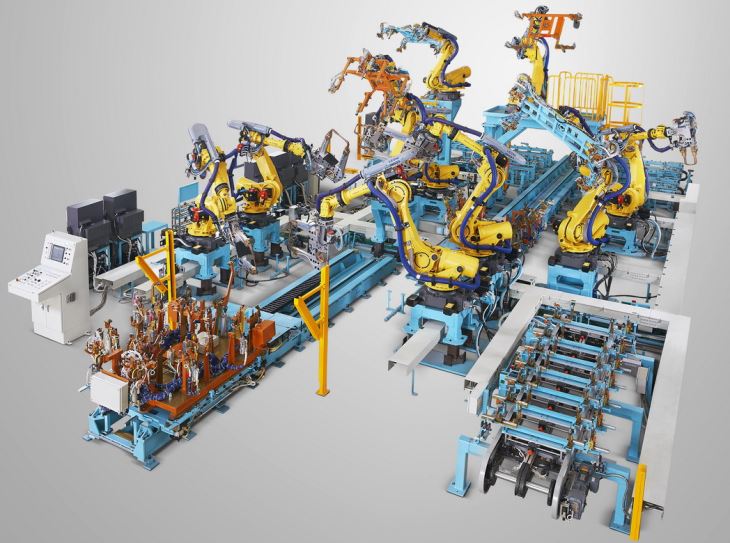
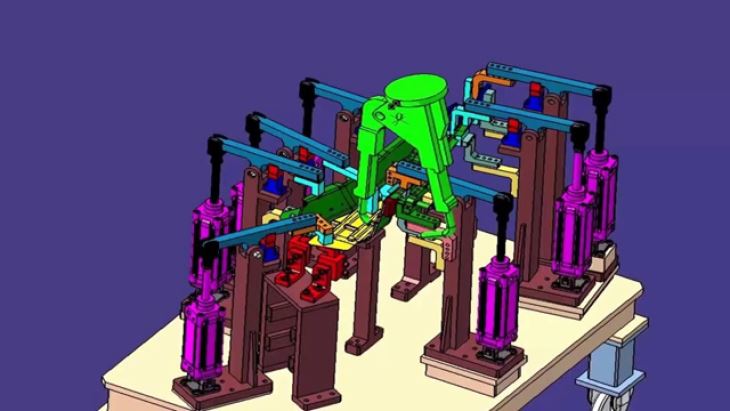
If you're in the market for a high-quality auto welding jig or need assistance with maintenance and support, I encourage you to explore our range of products, including the Auto Pillar Parts Welding Fixture and Robotic Welding Fixture Line. Our team of experts is available to answer your questions and help you find the right solution for your needs. Contact us today to learn more and start a conversation about your procurement requirements.
References
- Automotive Welding Handbook, Second Edition, by John R. Davis
- Welding Metallurgy and Weldability of Stainless Steels, by John C. Lippold and David J. Kotecki
- Manufacturing Engineering and Technology, Fourth Edition, by Serope Kalpakjian and Steven R. Schmid