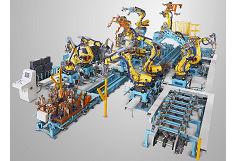
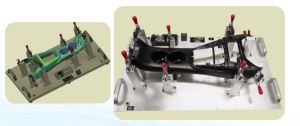
Hey there! I'm a supplier of Robotic MIG Weld Fixtures, and I've been in this industry for quite some time. Over the years, I've seen firsthand how crucial it is to have an efficient welding fixture. In this blog, I'm gonna share some tips on how to improve the efficiency of a Robotic MIG Weld Fixture.
Understanding the Basics
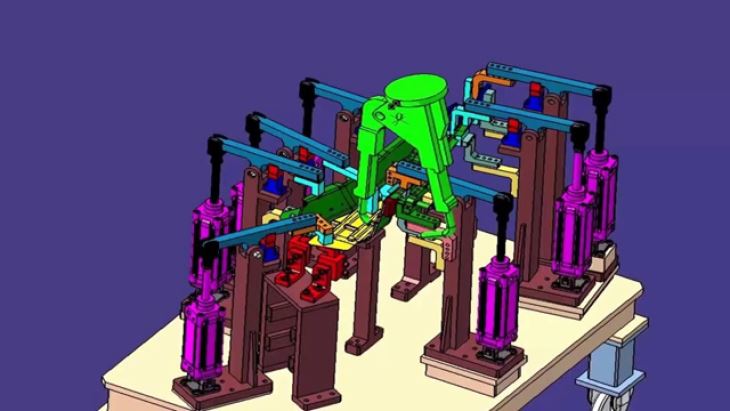
First things first, let's understand what a Robotic MIG Weld Fixture is. It's a tool that holds the workpiece in place during the MIG (Metal Inert Gas) welding process. The main goal of a fixture is to ensure that the parts are aligned correctly and stay in position throughout the welding. This not only improves the quality of the weld but also boosts the overall efficiency of the process.
Design Optimization
One of the key ways to improve efficiency is through design optimization. A well - designed fixture can save a lot of time and effort. Here are some design aspects to consider:
Modular Design
A modular fixture design allows for easy customization and reconfiguration. Instead of having a single, fixed fixture for each type of welding job, you can use interchangeable modules. This means that you can quickly adapt the fixture to different workpieces, reducing setup time. For example, if you're working on a project that requires welding different sizes of auto pillar parts, a modular fixture can be adjusted to fit each size without having to build a new fixture from scratch. Check out Auto Pillar Parts Welding Fixture for more details on fixtures for auto parts.
Lightweight Materials
Using lightweight materials in the fixture construction can also improve efficiency. A lighter fixture is easier to handle and move around. It takes less time to set up and reposition, which can speed up the overall welding process. Aluminum is a popular choice for lightweight fixtures as it's strong, corrosion - resistant, and relatively inexpensive.
Ergonomic Design
An ergonomic fixture design is essential for the operators. If the fixture is easy to use, the operators can work more efficiently. This includes features like easy - to - reach controls, clear visibility of the welding area, and comfortable handling. When the operators are comfortable and can access everything they need quickly, they can focus on the welding task at hand, reducing errors and increasing productivity.
Precision and Calibration
Precision is crucial in welding. A well - calibrated fixture ensures that the parts are held in the exact position required for a high - quality weld. Here's how you can achieve this:
Regular Calibration
Make sure to calibrate the fixture regularly. Over time, due to wear and tear, the fixture may lose its accuracy. By calibrating it at regular intervals, you can ensure that it continues to hold the parts in the correct position. This can be done using precision measuring tools like calipers and micrometers.
Quality Control Checks
Implement quality control checks during the welding process. This can involve visual inspections, dimensional checks, and non - destructive testing. By catching any issues early on, you can make adjustments to the fixture or the welding process, preventing costly rework and downtime.
Automation and Integration
Automation is becoming increasingly important in the welding industry. Integrating your Robotic MIG Weld Fixture with automated systems can significantly improve efficiency.
Robotic Integration
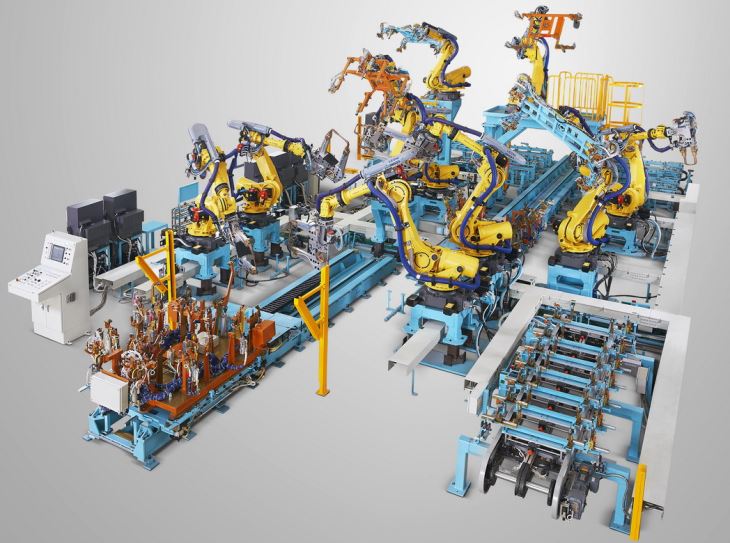
Pairing the fixture with a robotic welding system can streamline the process. The robot can perform the welding tasks with high precision and repeatability. It can also work continuously without getting tired, increasing productivity. The fixture can be designed to interface seamlessly with the robot, allowing for smooth and efficient operation. For a comprehensive solution, take a look at Robotic Welding Fixture Line.
Sensor Technology
Using sensor technology in the fixture can enhance its functionality. Sensors can detect the position of the parts, the temperature during welding, and other important parameters. This data can be used to adjust the welding process in real - time, ensuring optimal results. For example, if a sensor detects that the part has shifted slightly, the system can make a minor adjustment to the fixture to correct the position.
Maintenance and Training
Proper maintenance and training are essential for keeping the fixture operating at peak efficiency.
Maintenance Schedule
Develop a regular maintenance schedule for the fixture. This includes cleaning, lubricating, and inspecting the components. By taking good care of the fixture, you can extend its lifespan and prevent breakdowns. A well - maintained fixture is also more likely to perform consistently, reducing the risk of welding defects.
Operator Training
Train your operators on how to use the fixture correctly. They should understand the fixture's features, how to perform basic maintenance tasks, and how to troubleshoot common issues. Well - trained operators can make the most of the fixture, ensuring that it is used efficiently and effectively.
Conclusion
Improving the efficiency of a Robotic MIG Weld Fixture is a multi - faceted process. It involves design optimization, precision calibration, automation, and proper maintenance. By implementing these strategies, you can increase productivity, reduce costs, and improve the quality of your welding work.
If you're interested in learning more about our Robotic MIG Weld Fixtures or have any specific requirements for your welding projects, feel free to reach out for a procurement discussion. We're here to help you find the best solution for your needs.
References
- Welding Handbook, American Welding Society
- Industrial Automation and Robotics: Principles and Applications, John Wiley & Sons