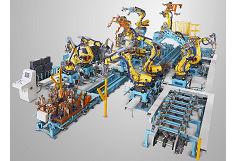
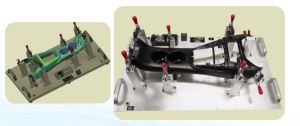
Hey there! As a supplier of Cupholder CMM holding jigs, I've seen firsthand the importance of durability in these essential tools. In this blog, I'll share some practical tips on how to improve the durability of a Cupholder CMM holding jig.
Understanding the Basics of Cupholder CMM Holding Jigs
Before we dive into the tips, let's quickly go over what a Cupholder CMM holding jig is. A Cupholder CMM holding jig, also known as a Cupholder CMM Holding Fixture, is a specialized tool used in the manufacturing process. It holds the cupholder in place during Coordinate Measuring Machine (CMM) inspections, ensuring accurate measurements. These jigs are crucial for maintaining the quality and precision of cupholders, especially in the automotive industry where precision is key.
Material Selection
One of the most important factors in improving the durability of a Cupholder CMM holding jig is the material you choose. The right material can withstand the wear and tear of regular use and resist damage from factors like corrosion and impact.
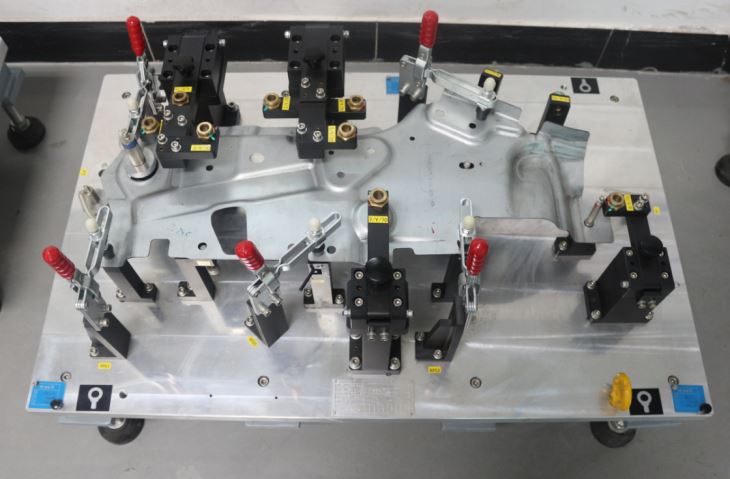

- High - Strength Metals: Metals like stainless steel and aluminum are popular choices for Cupholder CMM holding jigs. Stainless steel is known for its excellent corrosion resistance and high strength. It can handle the pressure and stress of holding the cupholder during CMM inspections without deforming easily. Aluminum, on the other hand, is lightweight yet strong. It offers good thermal conductivity, which can be beneficial in some manufacturing environments.
- Composite Materials: Composite materials are also becoming more common in the production of holding jigs. These materials can be engineered to have specific properties, such as high stiffness and low weight. They can be a great option if you're looking for a durable yet lightweight solution.
Design Optimization
The design of the Cupholder CMM holding jig plays a significant role in its durability. A well - designed jig will distribute the load evenly, reducing stress on individual components and preventing premature failure.
- Load Distribution: When designing the jig, consider how the weight of the cupholder and the forces exerted during the CMM inspection will be distributed. Use features like ribs and gussets to strengthen the structure and ensure that the load is spread out over a larger area. This will prevent concentrated stress points that can lead to cracks or deformation.
- Ergonomic Design: An ergonomic design not only makes the jig easier to use but can also contribute to its durability. For example, if the jig is easy to handle and position, there's less chance of it being dropped or mishandled, which could cause damage.
Surface Treatment
Surface treatment can enhance the durability of a Cupholder CMM holding jig by providing a protective layer against corrosion, wear, and friction.
- Coatings: Applying a coating to the surface of the jig can significantly improve its resistance to corrosion. For example, a powder coating can provide a tough, durable finish that protects the underlying material. Other coatings, such as ceramic or Teflon coatings, can reduce friction and wear, making the jig last longer.
- Heat Treatment: Heat treatment processes like annealing, quenching, and tempering can alter the physical properties of the material, making it stronger and more resistant to wear. For example, heat - treating a metal jig can increase its hardness, which in turn improves its durability.
Regular Maintenance
Regular maintenance is essential for keeping a Cupholder CMM holding jig in good condition and extending its lifespan.
- Cleaning: After each use, clean the jig to remove any debris, dirt, or coolant that may have accumulated. Use a mild detergent and a soft brush to avoid scratching the surface. Regular cleaning prevents the build - up of contaminants that can cause corrosion or damage to the jig.
- Inspection: Conduct regular inspections of the jig to check for signs of wear, damage, or deformation. Look for cracks, loose parts, or any other issues that could affect the performance of the jig. If you notice any problems, address them immediately to prevent further damage.
- Lubrication: If the jig has moving parts, lubricate them regularly to reduce friction and wear. Use a high - quality lubricant that is suitable for the material and operating conditions of the jig.
Quality Control in Manufacturing
As a supplier, we pay close attention to quality control during the manufacturing process. This helps ensure that each Cupholder CMM holding jig we produce meets the highest standards of durability.
- Precision Machining: We use advanced machining techniques to ensure that the jig is manufactured to precise specifications. This includes using CNC machines to achieve accurate dimensions and smooth surfaces. Precision machining reduces the chances of dimensional errors that could affect the performance and durability of the jig.
- Testing: Before shipping the jigs to our customers, we conduct rigorous testing to ensure their quality. This includes functional testing to make sure the jig holds the cupholder securely during the CMM inspection and durability testing to simulate long - term use.
Compatibility with Auto Metal Parts
Many of our Cupholder CMM holding jigs are designed to be compatible with Auto Metal Parts CMM Holding Fixture. This compatibility is important because it allows for seamless integration into existing manufacturing processes. When the jig is compatible with other auto metal parts fixtures, it can be used more efficiently, reducing the need for multiple setups and potentially increasing the durability of the overall system.
Conclusion
Improving the durability of a Cupholder CMM holding jig is a multi - faceted process that involves material selection, design optimization, surface treatment, regular maintenance, and strict quality control. By following these tips, you can ensure that your Cupholder CMM holding jig lasts longer, performs better, and provides accurate results for years to come.
If you're in the market for a high - quality, durable Cupholder CMM holding jig, we'd love to talk to you. Whether you're a small - scale manufacturer or a large automotive company, we have the expertise and products to meet your needs. Get in touch with us to discuss your requirements and start a procurement negotiation.
References
- "Manufacturing Engineering Handbook" by Myer Kutz
- "Materials Science and Engineering: An Introduction" by William D. Callister Jr. and David G. Rethwisch