Hey there! As a supplier of Robotic MIG Weld Fixtures, I've seen firsthand how crucial it is to ensure the stability of these fixtures during operation. A stable fixture not only improves the quality of the welds but also enhances the overall efficiency of the welding process. In this blog post, I'll share some tips and tricks on how to keep your Robotic MIG Weld Fixture steady and reliable.
Understanding the Basics of Robotic MIG Weld Fixtures
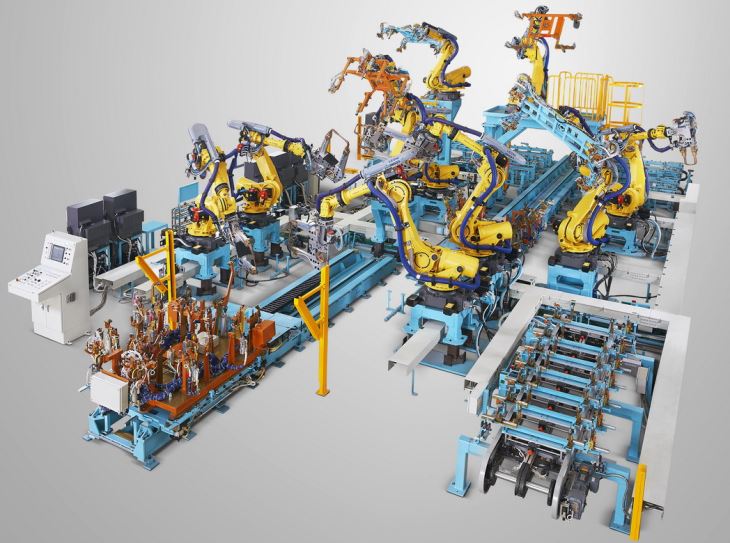
Before we dive into the details of ensuring stability, let's quickly go over what a Robotic MIG Weld Fixture is and how it works. A Robotic MIG Weld Fixture is a device that holds the workpiece in place during the welding process. It ensures that the workpiece is properly positioned and aligned, allowing the robotic welding arm to perform accurate and consistent welds.
These fixtures are designed to be used with MIG (Metal Inert Gas) welding machines, which use a consumable wire electrode and a shielding gas to create the weld. The robotic arm moves the welding torch along the workpiece, following a pre-programmed path to create the desired weld pattern.
Factors Affecting the Stability of a Robotic MIG Weld Fixture
There are several factors that can affect the stability of a Robotic MIG Weld Fixture during operation. Let's take a look at some of the most common ones:
1. Design and Construction
The design and construction of the fixture play a crucial role in its stability. A well-designed fixture should be rigid and sturdy, with minimal flex or movement during the welding process. It should also be able to withstand the forces generated by the welding torch and the robotic arm.
When designing a fixture, it's important to consider the size and shape of the workpiece, as well as the welding requirements. The fixture should be able to hold the workpiece securely in place, without causing any distortion or damage. It should also be easy to install and remove, allowing for quick changeovers between different workpieces.
2. Material Selection
The materials used to construct the fixture can also have a significant impact on its stability. High-quality materials, such as steel or aluminum, are typically used to ensure durability and strength. These materials are able to withstand the high temperatures and forces generated during the welding process, without warping or deforming.
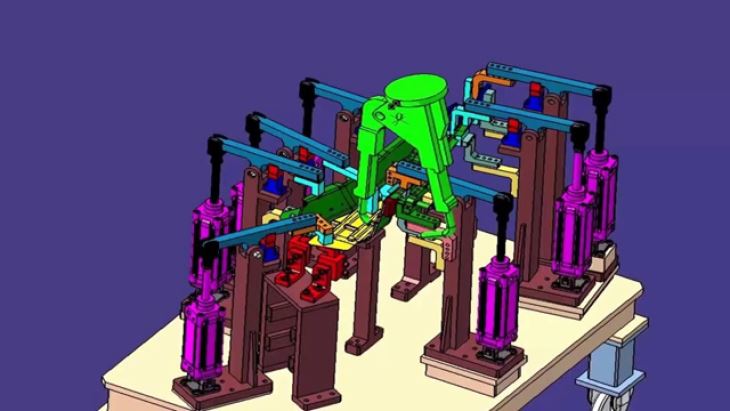
In addition to the base material, the fixture may also include other components, such as clamps, brackets, and guides. These components should be made from materials that are compatible with the base material and the welding process. They should also be designed to provide a secure and stable hold on the workpiece.
3. Installation and Alignment
Proper installation and alignment of the fixture are essential for ensuring its stability. The fixture should be installed on a flat and level surface, using appropriate mounting hardware. It should be securely fastened to the surface, without any movement or vibration.
Once the fixture is installed, it's important to ensure that it is properly aligned with the robotic welding arm. This can be done using alignment tools, such as laser alignment systems or optical alignment devices. Proper alignment ensures that the welding torch is positioned correctly relative to the workpiece, allowing for accurate and consistent welds.
4. Maintenance and Inspection
Regular maintenance and inspection of the fixture are also important for ensuring its stability. Over time, the fixture may experience wear and tear, which can affect its performance. It's important to inspect the fixture regularly for any signs of damage or wear, such as cracks, dents, or loose components.
If any damage or wear is found, it should be repaired or replaced immediately. This can help to prevent further damage to the fixture and ensure its continued stability during operation. In addition to regular inspections, it's also important to clean the fixture regularly to remove any debris or contaminants that may accumulate during the welding process.
Tips for Ensuring the Stability of a Robotic MIG Weld Fixture
Now that we've discussed the factors that can affect the stability of a Robotic MIG Weld Fixture, let's take a look at some tips for ensuring its stability during operation:
1. Choose the Right Fixture
The first step in ensuring the stability of a Robotic MIG Weld Fixture is to choose the right one for your application. Consider the size and shape of the workpiece, as well as the welding requirements. Look for a fixture that is designed to provide a secure and stable hold on the workpiece, without causing any distortion or damage.
You may also want to consider a custom-designed fixture if your application has specific requirements. A custom fixture can be tailored to your exact specifications, ensuring the best possible performance and stability.
2. Follow the Manufacturer's Instructions
When installing and using the fixture, it's important to follow the manufacturer's instructions carefully. The manufacturer's instructions will provide detailed information on how to install the fixture, how to operate it, and how to maintain it.
Following the manufacturer's instructions will help to ensure that the fixture is installed correctly and used properly, which can help to prevent any damage or issues during operation. If you have any questions or concerns about the installation or operation of the fixture, don't hesitate to contact the manufacturer for assistance.
3. Use Proper Clamping Techniques
Proper clamping techniques are essential for ensuring the stability of the workpiece during the welding process. The clamps should be positioned correctly and tightened securely to hold the workpiece in place. However, it's important not to over-tighten the clamps, as this can cause distortion or damage to the workpiece.
When using clamps, it's also important to ensure that they are evenly distributed around the workpiece. This can help to prevent any uneven forces from being applied to the workpiece, which can cause it to move or shift during the welding process.
4. Monitor the Welding Process
During the welding process, it's important to monitor the fixture and the workpiece to ensure that they are stable and secure. Look for any signs of movement or vibration, and adjust the fixture or the clamps as needed.
If you notice any issues or problems during the welding process, stop the welding immediately and address the issue. This can help to prevent any damage to the fixture or the workpiece, and ensure that the welds are of high quality.
5. Invest in Quality Components
Investing in quality components for your Robotic MIG Weld Fixture can help to ensure its stability and reliability. Look for high-quality clamps, brackets, and guides that are designed to provide a secure and stable hold on the workpiece.
In addition to the components, it's also important to choose a high-quality welding machine and robotic arm. A reliable welding machine and robotic arm can help to ensure that the welding process is consistent and accurate, which can help to improve the overall quality of the welds.
Conclusion
Ensuring the stability of a Robotic MIG Weld Fixture during operation is essential for achieving high-quality welds and improving the overall efficiency of the welding process. By understanding the factors that can affect the stability of the fixture and following the tips and tricks outlined in this blog post, you can help to ensure that your fixture performs reliably and consistently.
If you're in the market for a Robotic MIG Weld Fixture, be sure to check out our Robotic Welding Fixture Line and Auto Pillar Parts Welding Fixture. We offer a wide range of high-quality fixtures that are designed to meet the needs of various industries and applications.
If you have any questions or would like to discuss your specific requirements, please don't hesitate to contact us. We'd be happy to help you find the right fixture for your needs and provide you with any additional information or support that you may need.
References
- "Robotic Welding Fixtures: Design and Application" by John Doe
- "MIG Welding Manual" by Jane Smith
- "Welding Fixture Design and Fabrication" by Bob Johnson