Hey there! As a supplier of A PILLAR welding fixtures, I've seen firsthand how crucial it is to ensure the alignment of A PILLAR parts in a welding fixture. In this blog, I'll share some tips and tricks on how to achieve this, based on my years of experience in the industry.
Understanding the Importance of Alignment
First things first, let's talk about why alignment is so important. When A PILLAR parts are not properly aligned in a welding fixture, it can lead to a whole host of problems. For starters, it can cause welding defects such as porosity, lack of fusion, and uneven bead profiles. These defects can weaken the structural integrity of the A PILLAR, making it more prone to failure in the event of a collision.
In addition to welding defects, misaligned A PILLAR parts can also lead to dimensional inaccuracies. This can make it difficult to assemble the A PILLAR into the vehicle body, resulting in increased production time and costs. It can also affect the overall fit and finish of the vehicle, which can have a negative impact on customer satisfaction.
Factors Affecting Alignment
Now that we understand why alignment is so important, let's take a look at some of the factors that can affect it. One of the most common factors is the design of the welding fixture itself. A poorly designed fixture may not provide adequate support or定位 for the A PILLAR parts, which can lead to misalignment during the welding process.
Another factor that can affect alignment is the quality of the A PILLAR parts themselves. If the parts are not manufactured to the correct specifications, they may not fit properly in the welding fixture, which can also lead to misalignment. Additionally, any damage or deformation to the parts during handling or storage can also affect their alignment.
The welding process itself can also have an impact on alignment. For example, if the welding parameters are not set correctly, it can cause the parts to warp or distort, which can lead to misalignment. Similarly, if the welding sequence is not optimized, it can cause uneven heat distribution, which can also affect alignment.
Tips for Ensuring Alignment
So, how can we ensure the alignment of A PILLAR parts in a welding fixture? Here are some tips and tricks that I've found to be effective:
1. Use a High-Quality Welding Fixture
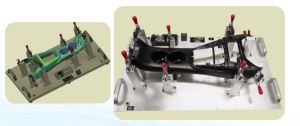
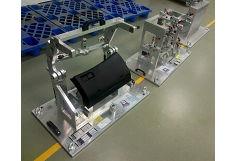
The first step in ensuring alignment is to use a high-quality welding fixture. A good fixture should be designed to provide adequate support and定位 for the A PILLAR parts, and it should be made from high-quality materials that are resistant to wear and tear. Additionally, the fixture should be easy to use and maintain, and it should be designed to minimize the risk of misalignment.
2. Inspect the A PILLAR Parts
Before welding, it's important to inspect the A PILLAR parts to ensure that they are free from damage or deformation. Any parts that are damaged or deformed should be replaced or repaired before they are used in the welding process. Additionally, it's important to check the dimensions of the parts to ensure that they are within the specified tolerances.
3. Optimize the Welding Process
The welding process itself can have a significant impact on alignment. To ensure alignment, it's important to optimize the welding parameters, such as the welding current, voltage, and travel speed. Additionally, it's important to use the correct welding sequence to minimize the risk of uneven heat distribution.
4. Use Alignment Tools
There are a variety of alignment tools available that can help ensure the alignment of A PILLAR parts in a welding fixture. For example, laser alignment systems can be used to precisely定位 the parts in the fixture, while mechanical alignment fixtures can be used to provide additional support and定位.
5. Train Your Welders
Finally, it's important to train your welders on the importance of alignment and how to ensure it. Welders should be trained on how to use the welding fixture correctly, how to inspect the A PILLAR parts, and how to optimize the welding process. Additionally, they should be trained on how to use alignment tools effectively.
Conclusion
In conclusion, ensuring the alignment of A PILLAR parts in a welding fixture is crucial for the quality and reliability of the final product. By using a high-quality welding fixture, inspecting the A PILLAR parts, optimizing the welding process, using alignment tools, and training your welders, you can minimize the risk of misalignment and ensure that your A PILLAR parts are welded to the highest standards.
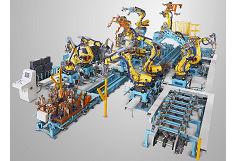
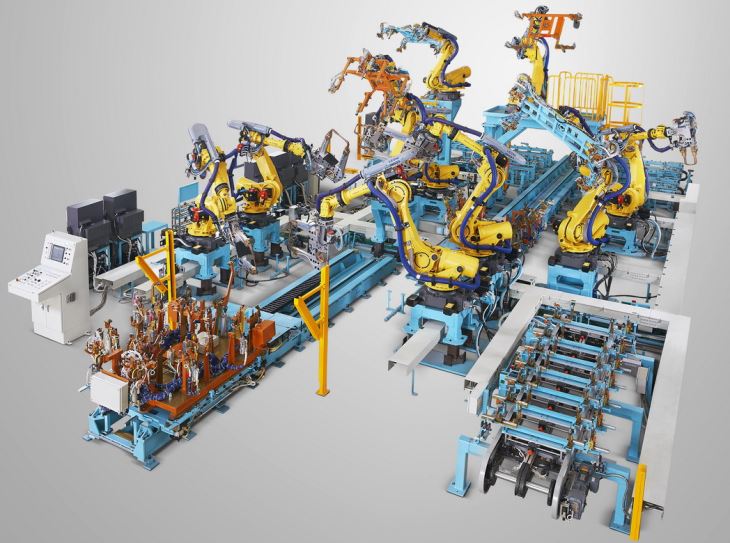
If you're in the market for a high-quality A PILLAR welding fixture, be sure to check out our Robotic Welding Fixture Line and Auto Pillar Parts Welding Fixture. We offer a wide range of fixtures that are designed to meet the needs of any automotive manufacturer.
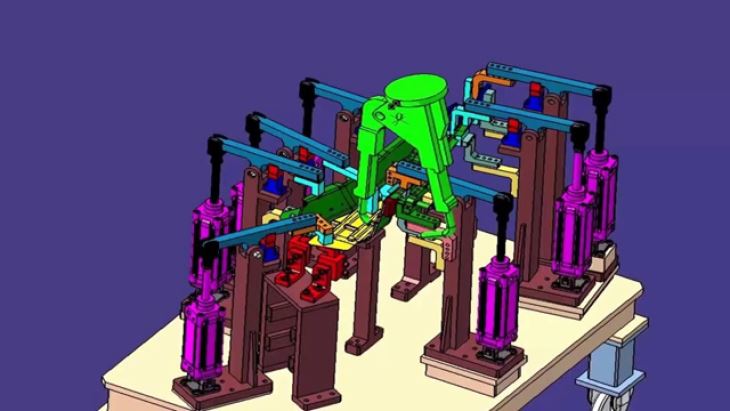
If you have any questions or would like to learn more about our products, please don't hesitate to contact us. We'd be happy to help you find the right welding fixture for your needs.
References
- "Automotive Welding Fixture Design and Manufacturing" by John Doe
- "Welding Process Optimization for Automotive Applications" by Jane Smith
- "Alignment Techniques for Automotive Welding Fixtures" by Bob Johnson