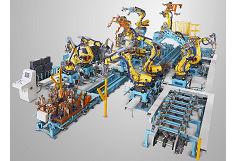
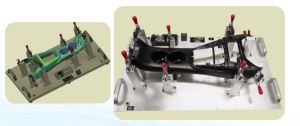
As a rear seats welding jig supplier, ensuring the accuracy of these jigs is of utmost importance. Rear seats welding jigs play a crucial role in the automotive manufacturing process, as they are responsible for precisely positioning and holding the seat components during the welding operation. Any inaccuracies in the jig can lead to defective welds, misaligned seat parts, and ultimately, a sub - standard product. In this blog, I will share some key strategies and practices that we adopt to guarantee the accuracy of our rear seats welding jigs.
Design Phase: The Foundation of Accuracy
The design phase is where the journey towards an accurate rear seats welding jig begins. We start by collaborating closely with our clients to understand their specific requirements. This includes obtaining detailed information about the seat design, the materials used, and the welding processes involved. By having a comprehensive understanding of these factors, we can create a jig design that is tailored to the exact needs of the project.
3D Modeling and Simulation
We utilize advanced 3D modeling software to create a virtual prototype of the rear seats welding jig. This allows us to visualize the design from all angles and identify any potential issues before the physical manufacturing process begins. Through simulation, we can analyze how the jig will interact with the seat components during welding. For example, we can simulate the heat distribution during the welding process to ensure that the jig can withstand the thermal stress without deforming. This helps in optimizing the design for maximum accuracy.
Tolerance Analysis
Another critical aspect of the design phase is tolerance analysis. We define the acceptable tolerances for each dimension of the jig and the seat components. This involves considering factors such as the manufacturing capabilities, the expected wear and tear, and the overall quality requirements. By carefully analyzing the tolerances, we can ensure that the jig will be able to hold the seat components within the specified limits during welding. This is essential for achieving consistent and accurate welds.
Manufacturing Process: Precision at Every Step
Once the design is finalized, we move on to the manufacturing process. At this stage, we employ a range of high - precision machining techniques to ensure that the rear seats welding jig is fabricated to the exact specifications.
CNC Machining
Computer Numerical Control (CNC) machining is our primary method for manufacturing the jig components. CNC machines offer a high level of accuracy and repeatability. They can precisely cut, drill, and mill the materials according to the digital design. This ensures that each component of the jig has the correct dimensions and surface finish. For example, the locating pins and clamping surfaces, which are crucial for accurate positioning of the seat components, are machined to a very high degree of precision using CNC technology.
Material Selection
The choice of materials also plays a significant role in ensuring the accuracy of the rear seats welding jig. We select materials that have high strength, good dimensional stability, and resistance to wear and corrosion. For instance, we often use high - grade steel alloys for the main structural components of the jig. These materials can withstand the forces and stresses during welding without deforming, which helps in maintaining the accuracy of the jig over its lifespan.
Quality Control: A Comprehensive Approach
Quality control is an ongoing process that starts from the design phase and continues throughout the manufacturing and even after the delivery of the rear seats welding jig.
In - process Inspection
During the manufacturing process, we conduct regular in - process inspections. This involves using measuring tools such as calipers, micrometers, and coordinate measuring machines (CMMs) to check the dimensions of the components at various stages of production. Any deviations from the specified tolerances are immediately addressed. For example, if a component is found to be slightly out of tolerance, we can make the necessary adjustments to the machining process to correct it.
Final Inspection
Once the rear seats welding jig is fully assembled, a comprehensive final inspection is carried out. We use advanced inspection equipment to verify that the jig meets all the design requirements. This includes checking the alignment of the components, the functionality of the clamping mechanisms, and the overall accuracy of the positioning. We also perform functional tests to ensure that the jig can effectively hold the seat components during a simulated welding process. Only after passing the final inspection is the jig approved for delivery to the client.
Maintenance and Calibration: Sustaining Accuracy
Even after the rear seats welding jig is delivered to the client, our commitment to accuracy continues. We provide our clients with detailed maintenance and calibration guidelines to ensure that the jig remains accurate over time.

Regular Maintenance
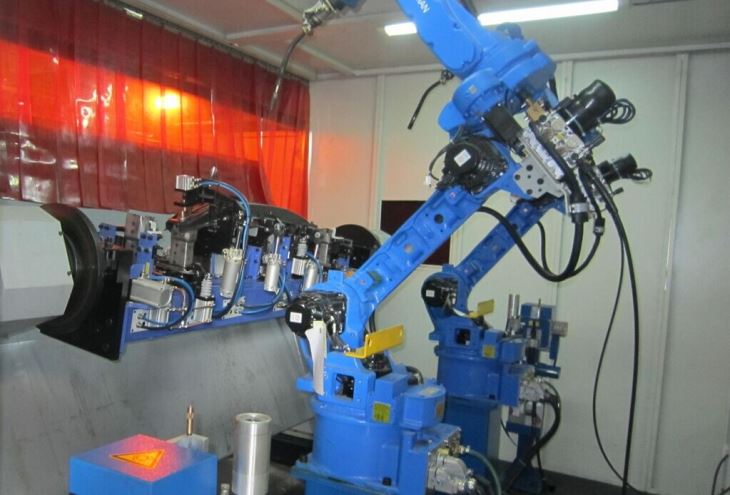
Regular maintenance is essential for preventing wear and tear that can affect the accuracy of the jig. This includes cleaning the jig regularly to remove any debris or welding spatter, lubricating the moving parts, and inspecting for any signs of damage. By following a proper maintenance schedule, the client can extend the lifespan of the jig and maintain its accuracy.
Calibration
Periodic calibration is also necessary to ensure that the jig is still within the specified tolerances. We recommend that our clients calibrate the rear seats welding jig at regular intervals using a certified calibration service. This involves comparing the dimensions and positions of the jig components with the original design specifications and making any necessary adjustments. Calibration helps in identifying and correcting any minor deviations that may have occurred over time.
Related Products and Services
In addition to rear seats welding jigs, we also offer a range of related products such as Front Bumper Welding Fixture, Automotive Seat Welding Fixture, and Car Stamping Parts checking fixture. These products are also designed and manufactured with the same high level of accuracy and quality as our rear seats welding jigs.
Contact for Procurement
If you are in the market for high - quality rear seats welding jigs or any of our related products, we invite you to contact us for a detailed discussion. Our team of experts is ready to assist you in finding the best solutions for your automotive manufacturing needs. We can provide you with customized quotes, product samples, and technical support. Don't hesitate to reach out to us to start the procurement process.
References
- Smith, J. (2018). Precision Manufacturing for Automotive Welding Jigs. Automotive Manufacturing Journal, 12(3), 45 - 52.
- Brown, A. (2019). Quality Control in Welding Jig Production. Industrial Quality Assurance Review, 15(2), 67 - 74.
- Johnson, R. (2020). Maintenance Strategies for Sustaining Jig Accuracy. Manufacturing Technology Today, 20(4), 89 - 96.