When embarking on a specific welding project, one of the most crucial decisions you'll make is choosing the right auto welding jig. As a seasoned auto welding jig supplier, I understand the complexities and nuances involved in this process. In this blog post, I'll share some valuable insights to help you make an informed choice for your welding project.
Understanding the Basics of Auto Welding Jigs
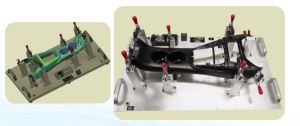
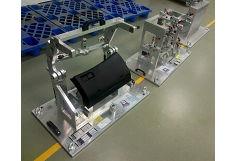
Before delving into the selection process, it's essential to understand what auto welding jigs are and their significance in welding projects. Auto welding jigs are specialized tools designed to hold and position workpieces accurately during the welding process. They ensure consistent and precise welds by preventing movement and distortion of the parts being welded. This not only improves the quality of the welds but also enhances productivity and reduces the risk of errors.
Factors to Consider When Choosing an Auto Welding Jig
1. Project Requirements
The first step in choosing the right auto welding jig is to clearly define your project requirements. Consider the type of welding process you'll be using, such as MIG, TIG, or spot welding. Different welding processes may require specific types of jigs to ensure optimal performance. Additionally, think about the size, shape, and complexity of the workpieces you'll be welding. Jigs come in various sizes and configurations to accommodate different workpiece dimensions and geometries.
2. Material Compatibility
The material of the workpieces being welded is another critical factor to consider. Different materials have different properties, such as thermal conductivity, expansion rates, and hardness, which can affect the welding process and the performance of the jig. Ensure that the jig you choose is compatible with the material of your workpieces to prevent damage to the jig or the workpieces during welding. For example, if you're welding aluminum, you'll need a jig that can withstand the high temperatures and thermal expansion associated with aluminum welding.
3. Precision and Accuracy
Precision and accuracy are paramount in welding projects, especially when working with tight tolerances. Look for an auto welding jig that offers high levels of precision and accuracy in holding and positioning the workpieces. Features such as adjustable stops, clamps, and定位 pins can help ensure that the workpieces are aligned correctly and held firmly in place during welding. This will result in consistent and high-quality welds.
4. Flexibility and Adaptability
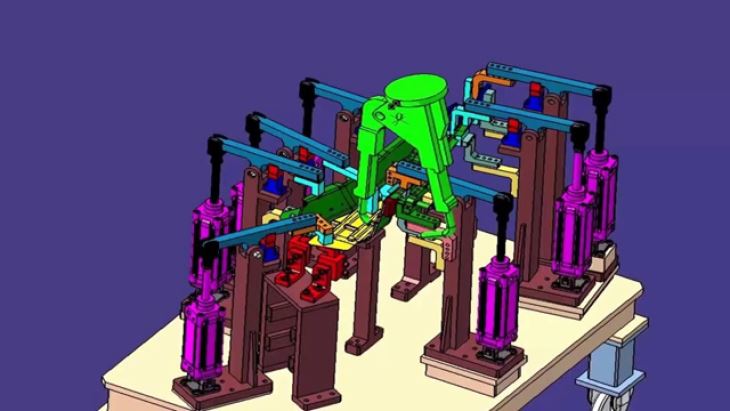
In many welding projects, you may need to weld different types of workpieces or make adjustments to the welding process. Therefore, it's beneficial to choose an auto welding jig that is flexible and adaptable. Some jigs come with interchangeable components or modular designs that allow you to customize the jig to suit different project requirements. This can save you time and money in the long run by eliminating the need to purchase multiple jigs for different projects.
5. Durability and Reliability
Welding is a demanding process that can subject the jig to high temperatures, mechanical stress, and wear and tear. To ensure the longevity of your investment, choose an auto welding jig that is made from high-quality materials and is built to last. Look for jigs that are constructed from durable metals, such as steel or aluminum, and have a robust design that can withstand the rigors of welding. Additionally, consider the reputation of the manufacturer and read customer reviews to ensure that the jig is reliable and performs well in real-world applications.
6. Cost
Cost is always a consideration when making any purchasing decision. While it's important to stay within your budget, it's also essential to remember that quality comes at a price. Cheaper jigs may not offer the same level of precision, durability, or flexibility as more expensive models. Therefore, it's advisable to invest in a high-quality auto welding jig that meets your project requirements and will provide long-term value. Compare prices from different suppliers and consider the total cost of ownership, including maintenance, repair, and replacement costs, when making your decision.
Types of Auto Welding Jigs
There are several types of auto welding jigs available on the market, each designed for specific welding applications. Here are some common types:
1. Manual Welding Jigs
Manual welding jigs are the simplest and most basic type of welding jigs. They are operated manually by the welder and are typically used for small-scale or low-volume welding projects. Manual jigs are relatively inexpensive and easy to use, but they may require more skill and effort from the welder to achieve accurate and consistent welds.
2. Pneumatic Welding Jigs
Pneumatic welding jigs use compressed air to operate the clamps and positioning devices. They offer faster and more consistent clamping force compared to manual jigs, which can improve productivity and reduce operator fatigue. Pneumatic jigs are commonly used in medium to high-volume welding projects where speed and efficiency are important.
3. Hydraulic Welding Jigs
Hydraulic welding jigs use hydraulic fluid to generate clamping force. They are capable of providing high levels of clamping force, making them suitable for welding large or heavy workpieces. Hydraulic jigs are often used in industrial applications where precision and reliability are critical.
4. Robotic Welding Fixtures
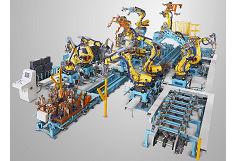
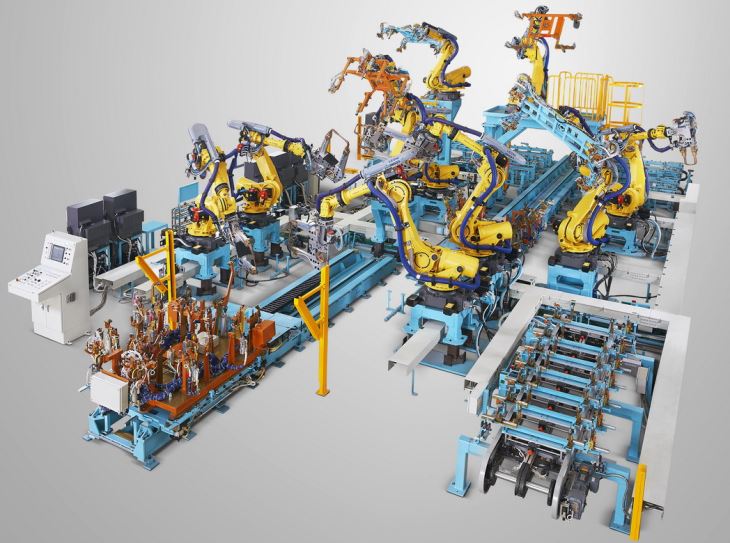
Robotic welding fixtures are designed to work in conjunction with robotic welding systems. They are used to hold and position the workpieces accurately for robotic welding operations. Robotic welding fixtures offer high levels of precision, repeatability, and productivity, making them ideal for high-volume welding projects. You can learn more about our Robotic Welding Fixture Line.
5. Auto Pillar Parts Welding Fixtures
Auto pillar parts welding fixtures are specifically designed for welding automotive pillar parts. They are engineered to ensure accurate alignment and positioning of the pillar parts during the welding process, resulting in high-quality welds and precise fitment. If you're working on an automotive welding project involving pillar parts, you can explore our Auto Pillar Parts Welding Fixture.
Conclusion
Choosing the right auto welding jig for a specific welding project is a critical decision that can significantly impact the quality, productivity, and cost of the project. By considering the factors discussed in this blog post and understanding the different types of welding jigs available, you can make an informed choice that meets your project requirements and budget. As an auto welding jig supplier, I'm committed to providing high-quality jigs and excellent customer service. If you have any questions or need assistance in choosing the right jig for your project, please don't hesitate to contact us. We're here to help you achieve success in your welding projects.
References
- ASME Boiler and Pressure Vessel Code
- AWS D1.1 Structural Welding Code - Steel
- ISO 9001 Quality Management Systems