Hey there! I'm stoked to share with you all about how an A Pillar welding fixture works. As a supplier of these nifty fixtures, I've seen firsthand how they play a crucial role in the automotive manufacturing process. So, let's dive right in!
What's an A Pillar Welding Fixture?
First things first, you might be wondering what exactly an A Pillar welding fixture is. Well, the A Pillar is that vertical support structure on either side of your car's windshield, connecting the roof to the front of the vehicle. Welding fixtures are tools used to hold, position, and secure parts in place during the welding process. An A Pillar welding fixture, then, is specifically designed to hold the various components of the A Pillar together so they can be welded accurately and efficiently.
The Basics of How It Works
At its core, an A Pillar welding fixture operates on a simple principle: precision and stability. When you're welding the different parts of an A Pillar, you need them to be in the exact right position relative to each other. Any misalignment can lead to weak welds, poor fitment, and ultimately, a sub - standard product.
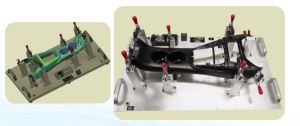
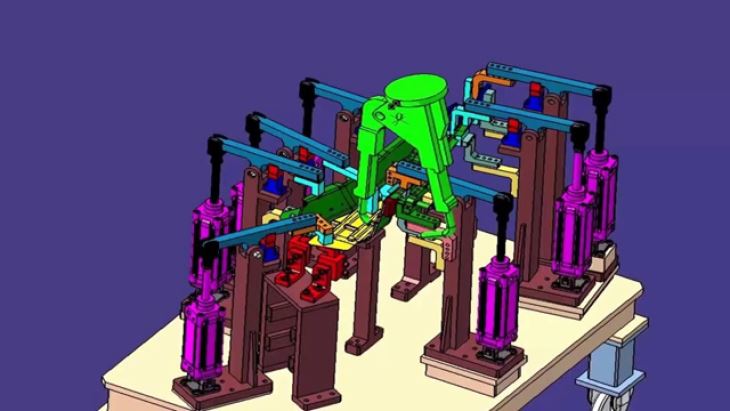
The fixture typically consists of a base plate, which is a solid and stable platform. On this base plate, there are a series of locators and clamps. The locators are like little guides that ensure each part of the A Pillar is placed in the correct spot. They are custom - designed to match the shape and dimensions of the specific A Pillar components.
Once the parts are located in their proper positions, the clamps come into play. These clamps are used to hold the parts firmly in place. They can be hydraulic, pneumatic, or mechanical, depending on the design of the fixture. Hydraulic and pneumatic clamps are often preferred because they can provide a consistent and strong clamping force, which is essential for a good weld.
The Step - by - Step Process
Let's break down the process of using an A Pillar welding fixture into a few simple steps:
1. Loading the Parts
The first step is to load the individual components of the A Pillar onto the fixture. Workers carefully place each part onto the locators, making sure they fit snugly. This is a critical step because any errors at this stage can cause problems later on.
2. Clamping
After the parts are loaded, the clamps are activated. Whether it's a hydraulic system that pumps fluid to engage the clamps or a pneumatic system that uses compressed air, the goal is the same: to hold the parts tightly together. The clamping force needs to be just right – not too strong to damage the parts, but strong enough to keep them from moving during welding.
3. Welding
Once the parts are securely clamped, the welding process begins. Welders use various welding techniques, such as MIG (Metal Inert Gas) or TIG (Tungsten Inert Gas) welding, to join the parts together. The fixture ensures that the parts remain in the correct position while the welder applies the heat and filler material to create a strong bond.
4. Unloading
After the welding is complete and the welds have cooled, the clamps are released, and the finished A Pillar assembly is unloaded from the fixture. It's then ready for further processing, such as painting or installation in a vehicle.
Advanced Features of Modern A Pillar Welding Fixtures
Modern A Pillar welding fixtures come with a bunch of advanced features that make them even more efficient and reliable.
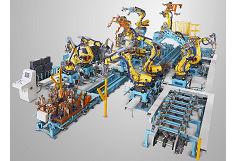
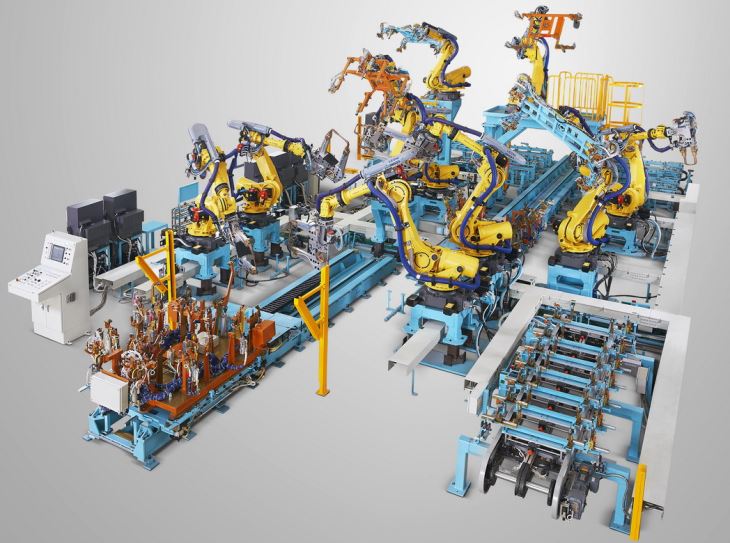
One such feature is automation. Many fixtures are now integrated into Robotic Welding Fixture Line. Robots can perform the welding process with high precision and speed. They can be programmed to follow a specific welding path, ensuring consistent weld quality across multiple A Pillar assemblies.
Another important feature is adjustability. Some fixtures are designed to be adjustable, which means they can be used to weld different models or variations of A Pillars. This flexibility is a huge advantage for automotive manufacturers who produce multiple vehicle models on the same production line.
There are also sensors and monitoring systems in place. These sensors can detect things like clamping force, part position, and weld quality. If there's an issue, such as a part not being properly located or a weak weld, the system can alert the operators, allowing them to take corrective action immediately.
Why Our A Pillar Welding Fixtures Stand Out
As a supplier, we take pride in the quality of our A Pillar welding fixtures. We use high - quality materials in the construction of our fixtures, ensuring they are durable and long - lasting. Our engineering team works closely with automotive manufacturers to understand their specific needs and design fixtures that meet those requirements.
We also offer excellent after - sales support. If there are any issues with the fixture, our technicians are on standby to provide assistance. Whether it's a simple adjustment or a more complex repair, we're committed to keeping your production line running smoothly.
Our Auto Pillar Parts Welding Fixture is designed with the latest technology and industry best practices in mind. We continuously invest in research and development to improve our products and stay ahead of the competition.
Contact Us for Your A Pillar Welding Fixture Needs
If you're in the automotive manufacturing business and are looking for a reliable A Pillar welding fixture supplier, we'd love to hear from you. Whether you're starting a new production line or looking to upgrade your existing fixtures, we have the expertise and products to meet your needs. Reach out to us to discuss your requirements and let's start a conversation about how we can help you improve your manufacturing process.
References
- Automotive Welding Handbook
- Industrial Fixture Design and Manufacturing Manual
So, that's a wrap on how an A Pillar welding fixture works. I hope this blog has given you a better understanding of these essential tools in the automotive industry. If you have any questions, feel free to drop a comment below!