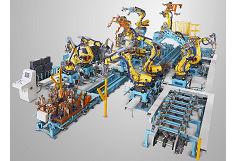
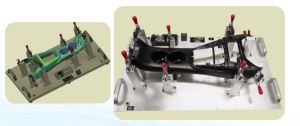
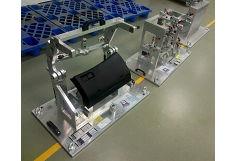
Hey there! As a supplier of A PILLAR welding fixtures, I often get asked about the weight of these fixtures. It's a crucial question, especially for those in the automotive manufacturing industry, where precision and efficiency are key. In this blog post, I'll dive deep into what affects the weight of an A PILLAR welding fixture and why it matters.
First off, let's talk about what an A PILLAR welding fixture is. It's a specialized tool used in the automotive industry to hold and position the A-pillar parts during the welding process. The A-pillar is the structure between the windshield and the front door of a vehicle, and it plays a vital role in the vehicle's safety and structural integrity. A good welding fixture ensures that the A-pillar parts are welded together accurately, which is essential for the overall quality of the vehicle.
So, what factors influence the weight of an A PILLAR welding fixture? Well, one of the main factors is the material used. Most A PILLAR welding fixtures are made from steel or aluminum. Steel is a heavy-duty material that offers high strength and durability. It can withstand the high pressures and forces involved in the welding process without deforming. However, steel is also quite heavy. On the other hand, aluminum is a lighter material. It's corrosion-resistant and has good thermal conductivity, which can be beneficial in the welding process. But it may not be as strong as steel, especially for fixtures that need to hold large or heavy A-pillar parts.
Another factor that affects the weight is the design of the fixture. A more complex design with more components and features will generally be heavier than a simpler one. For example, a fixture that has built-in sensors for monitoring the welding process or adjustable clamps for better positioning will add to the overall weight. The size of the fixture also plays a role. Larger fixtures that are designed to hold bigger A-pillar parts will naturally be heavier than smaller ones.
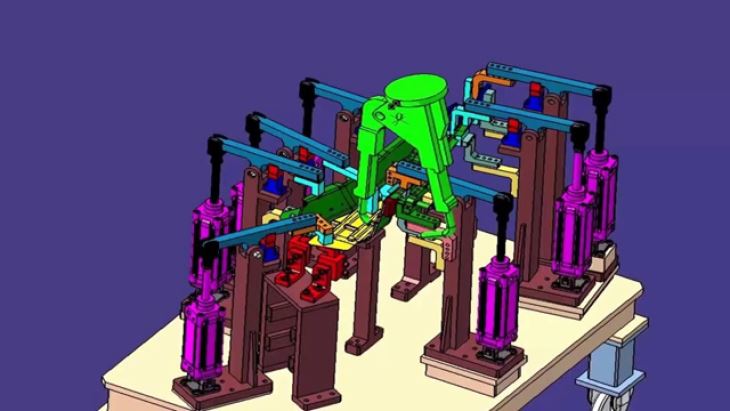
Now, you might be wondering why the weight of an A PILLAR welding fixture matters. Well, there are several reasons. First of all, weight can affect the ease of handling and installation. A heavy fixture may require more manpower or specialized equipment to move and install, which can increase the setup time and cost. On the other hand, a lighter fixture can be more easily maneuvered, making the installation process quicker and more efficient.
Secondly, weight can impact the performance of the welding equipment. A heavy fixture may put more strain on the welding robots or other machinery, which can lead to increased wear and tear and potentially affect the accuracy of the welding process. A lighter fixture, on the other hand, can reduce the load on the equipment, improving its longevity and performance.
In addition, weight can also affect the shipping and transportation costs. Heavier fixtures require more fuel and larger vehicles to transport, which can add to the overall cost of the product. This is something that both suppliers and customers need to consider when purchasing A PILLAR welding fixtures.
As a supplier, I understand the importance of finding the right balance between weight, strength, and performance. That's why we offer a range of A PILLAR welding fixtures with different weights and features to meet the specific needs of our customers. Whether you need a heavy-duty steel fixture for large-scale production or a lightweight aluminum fixture for more flexible applications, we've got you covered.
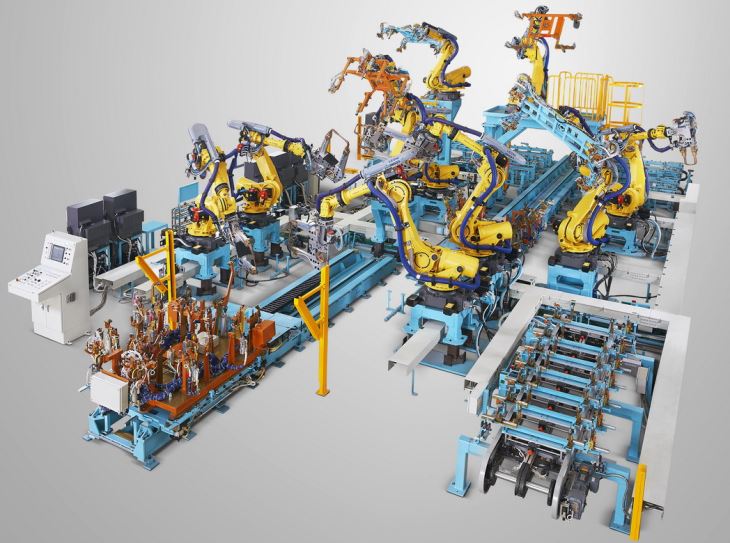
If you're interested in learning more about our A PILLAR welding fixtures, you can check out our Robotic Welding Fixture Line and Auto Pillar Parts Welding Fixture pages on our website. These pages provide detailed information about our products, including their specifications, features, and benefits.
We're always happy to have a chat with you about your specific requirements and help you choose the right A PILLAR welding fixture for your needs. Whether you're a small automotive repair shop or a large-scale manufacturing plant, we can work with you to find the perfect solution. So, don't hesitate to reach out and start a conversation about your procurement needs. We're looking forward to working with you!
References
- Automotive Welding Technology Handbook
- Materials Science and Engineering for Automotive Applications