As a supplier of auto door CMM holding jigs, I've encountered numerous inquiries about the lifespan of these essential tools. The lifespan of an auto door CMM (Coordinate Measuring Machine) holding jig is a critical concern for automotive manufacturers and quality control professionals. In this blog, I'll delve into the factors that influence the lifespan of an auto door CMM holding jig, provide insights on how to extend its usability, and discuss the implications of a jig's lifespan on production efficiency and quality control.
Factors Affecting the Lifespan of Auto Door CMM Holding Jigs
Material Quality
The quality of materials used in the construction of an auto door CMM holding jig is paramount. High - grade aluminum alloys, steel, and composite materials are commonly used due to their durability and stability. Aluminum alloys, for example, offer a good balance between strength and weight. They are resistant to corrosion, which is crucial in automotive manufacturing environments where jigs may be exposed to various chemicals and moisture. Steel, on the other hand, provides superior strength and rigidity, making it suitable for heavy - duty applications. However, steel is more prone to rust if not properly treated. High - quality composite materials can also be used, offering lightweight and customizable properties. A jig made from inferior materials will likely have a shorter lifespan, as it may be more susceptible to wear, deformation, and damage.
Usage Frequency
The frequency of use is another significant factor. In high - volume production environments, auto door CMM holding jigs are used multiple times a day. Each use subjects the jig to mechanical stress, such as clamping forces and the movement of the CMM probe. Over time, this repeated stress can cause wear on the contact surfaces of the jig, leading to dimensional inaccuracies. For example, if a jig is used to measure hundreds of auto doors per day, the surfaces that come into contact with the door parts will gradually wear down, affecting the accuracy of the measurements. In contrast, jigs used in low - volume or prototype production may have a longer lifespan due to less frequent use.
Operating Conditions
The operating conditions in which the auto door CMM holding jig is used can greatly impact its lifespan. Temperature, humidity, and the presence of contaminants can all affect the performance and durability of the jig. Extreme temperatures can cause thermal expansion or contraction of the materials, leading to dimensional changes. High humidity levels can promote corrosion, especially in steel jigs. Contaminants such as dust, debris, and lubricants can also accumulate on the jig, affecting its functionality. For instance, if a jig is used in a dirty manufacturing environment without proper cleaning and maintenance, the accumulated dirt can interfere with the movement of the CMM probe and cause premature wear.
Maintenance and Care
Proper maintenance and care are essential for extending the lifespan of an auto door CMM holding jig. Regular cleaning of the jig helps to remove contaminants and prevent corrosion. Lubrication of moving parts, if applicable, reduces friction and wear. Inspection of the jig for signs of damage or wear should be carried out regularly. Any damaged parts should be replaced promptly to prevent further deterioration. For example, if a clamping mechanism is not functioning properly, it can cause uneven stress on the jig, leading to premature failure. Additionally, storing the jig in a clean and dry environment when not in use can also help to prolong its lifespan.
How to Extend the Lifespan of Auto Door CMM Holding Jigs
Selecting the Right Jig
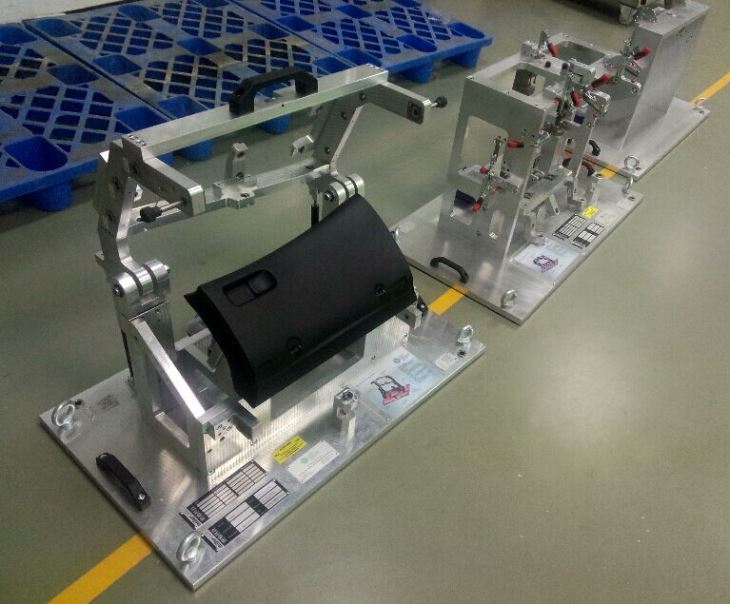
Choosing the appropriate auto door CMM holding jig for the specific application is the first step in extending its lifespan. Consider the size, shape, and material of the auto doors to be measured. A well - designed jig will distribute the clamping forces evenly, reducing stress on the jig and the door parts. It should also be compatible with the CMM being used, ensuring accurate and reliable measurements. For example, if you are dealing with large - sized auto doors, a jig with a robust structure and adjustable clamping mechanisms will be more suitable. You can explore different options like the Door Parts CMM Holding Fixture and Auto Door CMM Holding Fixture on our website to find the right fit for your needs.

Implementing a Maintenance Schedule
Developing and following a regular maintenance schedule is crucial. This schedule should include tasks such as cleaning, lubrication, and inspection. Cleaning can be done using appropriate cleaning agents and tools. For example, a non - abrasive cleaner can be used to clean the surfaces of the jig without causing damage. Lubrication should be carried out using high - quality lubricants recommended for the specific materials of the jig. Inspection should focus on critical areas such as clamping surfaces, alignment pins, and moving parts. Any signs of wear or damage should be documented, and corrective actions should be taken immediately.
Training Operators
Proper training of operators is essential for the correct use and handling of auto door CMM holding jigs. Operators should be trained on how to load and unload the door parts onto the jig correctly, how to operate the CMM in conjunction with the jig, and how to perform basic maintenance tasks. Incorrect handling of the jig can cause unnecessary stress and damage. For example, if an operator applies excessive force when clamping the door part, it can lead to deformation of the jig.
Implications of Jig Lifespan on Production Efficiency and Quality Control
Production Efficiency
A short - lived auto door CMM holding jig can significantly impact production efficiency. If a jig fails or becomes inaccurate, it may need to be replaced or repaired, leading to production downtime. Downtime can result in lost production time, increased costs, and missed deadlines. On the other hand, a long - lasting jig ensures continuous and smooth production operations. It reduces the frequency of disruptions caused by jig - related issues, allowing for higher production volumes and better utilization of resources.
Quality Control
The accuracy of an auto door CMM holding jig is directly related to the quality of the measured auto doors. A jig with a short lifespan may become inaccurate over time, leading to incorrect measurements. These inaccurate measurements can result in defective auto door parts being passed through the quality control process. This can lead to costly rework, recalls, and damage to the reputation of the automotive manufacturer. A long - lasting and accurate jig, however, ensures that the measured auto doors meet the required quality standards, reducing the risk of defects and improving overall product quality.
Conclusion
In conclusion, the lifespan of an auto door CMM holding jig is influenced by multiple factors, including material quality, usage frequency, operating conditions, and maintenance. By understanding these factors and taking appropriate measures to extend the lifespan of the jig, automotive manufacturers can improve production efficiency and ensure high - quality products. As a supplier of auto door CMM holding jigs, we are committed to providing high - quality products and offering guidance on how to maximize the lifespan of these jigs. If you are in the market for auto door CMM holding jigs or need more information about our products, such as the Gauges For Automotive Door Parts Manufacturer, please feel free to contact us for procurement discussions. We look forward to partnering with you to meet your automotive manufacturing needs.
References
- Smith, J. (2018). Automotive Manufacturing Quality Control. Publisher: ABC Publishing.
- Johnson, R. (2019). Coordinate Measuring Machines: Principles and Applications. Publisher: XYZ Press.