As a supplier of checking fixtures in China, I've witnessed firsthand how labor costs can significantly impact the price of these essential industrial tools. In this blog, I'll delve into the various ways labor costs influence the pricing of Chinese checking fixtures, exploring both the challenges and opportunities they present.
Understanding Checking Fixtures
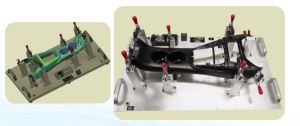
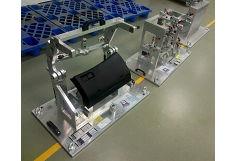
Before we discuss the impact of labor costs, let's briefly understand what checking fixtures are. Checking fixtures are precision tools used in manufacturing to verify the dimensions, shape, and position of parts. They play a crucial role in ensuring product quality and consistency, especially in industries such as automotive, aerospace, and electronics.
At [Supplier's Role], we specialize in providing high - quality checking fixtures, including link text: Checking Fixture And Gage Manufacturer, link text: Checking Fixtures CMM Holding Fixtures And Gauges and link text: Sunyuu Gauges And Checking Fixtures. Our products are designed to meet the diverse needs of our clients, from small - scale workshops to large - scale manufacturing plants.


The Role of Labor in Checking Fixture Production
The production of checking fixtures is a labor - intensive process. It involves several stages, each requiring skilled labor:
Design and Engineering
The first step in creating a checking fixture is the design and engineering phase. This involves using advanced CAD/CAM software to create detailed 3D models of the fixture. Engineers need to have a deep understanding of the part being measured, as well as the manufacturing processes involved. Skilled designers and engineers are required to ensure that the fixture meets the exact specifications of the client. Their expertise in materials selection, tolerance analysis, and ergonomic design is crucial for the success of the project.
Manufacturing and Assembly
Once the design is finalized, the manufacturing process begins. This includes cutting, machining, and shaping the raw materials, such as metal or plastic, into the required components. Assembly is another labor - intensive stage, where the individual parts are carefully put together to form the complete checking fixture. Workers need to have high precision and attention to detail to ensure that all components fit together perfectly and that the fixture functions correctly.
Quality Control
Quality control is an integral part of the production process. Inspectors use various measuring tools and techniques to verify that the checking fixture meets the required standards. They check for dimensional accuracy, surface finish, and functionality. This process requires trained personnel who can identify and rectify any defects or deviations from the specifications.
Impact of Rising Labor Costs on Pricing
In recent years, labor costs in China have been on the rise. Several factors contribute to this trend, including economic growth, an aging population, and increased demand for skilled labor. The increase in labor costs has a direct impact on the price of checking fixtures:
Higher Production Costs
As labor costs increase, the cost of producing checking fixtures also goes up. Manufacturers need to pay their workers more, which means that the overall cost of production increases. This increase in production costs is often passed on to the customers in the form of higher prices. For example, if the hourly wage of a skilled machinist increases, the cost of machining the components for a checking fixture will also increase, leading to a higher price for the final product.
Competitive Pricing Pressures
The rise in labor costs also puts pressure on Chinese suppliers to maintain competitive pricing in the global market. While China has long been known for its cost - effective manufacturing, the increasing labor costs are narrowing the price gap between Chinese suppliers and those from other countries. To remain competitive, Chinese suppliers need to find ways to improve efficiency and reduce costs without compromising on quality.
Innovation and Automation
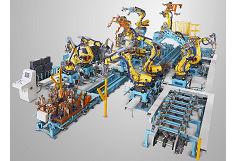
In response to rising labor costs, many Chinese checking fixture manufacturers are investing in innovation and automation. By using advanced manufacturing technologies, such as CNC machining and robotic assembly, manufacturers can reduce their reliance on manual labor and improve productivity. However, the initial investment in these technologies is significant, and it may take time for the cost savings to be realized. This can also lead to short - term price increases as manufacturers try to recoup their investment.
Strategies to Mitigate the Impact of Labor Costs
Despite the challenges posed by rising labor costs, there are several strategies that Chinese checking fixture suppliers can adopt to mitigate their impact on pricing:
Lean Manufacturing
Implementing lean manufacturing principles can help reduce waste and improve efficiency in the production process. By eliminating non - value - added activities, such as overproduction, waiting times, and unnecessary transportation, manufacturers can reduce labor costs and improve productivity. For example, using just - in - time inventory management can reduce the amount of inventory held in the factory, which in turn reduces the labor required for inventory management.
Skilled Labor Development
Investing in the development of skilled labor is crucial for the long - term success of the checking fixture industry. By providing training and development opportunities for their workers, manufacturers can improve the quality of their products and increase productivity. Skilled workers are more efficient and can produce higher - quality checking fixtures, which can justify a higher price in the market.
Strategic Partnerships
Forming strategic partnerships with suppliers and customers can also help reduce costs. By working closely with suppliers, manufacturers can negotiate better prices for raw materials and components. Additionally, collaborating with customers can help manufacturers understand their needs better and develop more cost - effective solutions.
Conclusion
Labor costs have a significant impact on the price of Chinese checking fixtures. The labor - intensive nature of the production process means that any increase in labor costs will directly affect the cost of production and, ultimately, the price of the final product. However, by adopting strategies such as lean manufacturing, skilled labor development, and strategic partnerships, Chinese suppliers can mitigate the impact of rising labor costs and remain competitive in the global market.
If you are in the market for high - quality checking fixtures, we invite you to contact us to discuss your specific requirements. Our team of experts is ready to provide you with customized solutions at competitive prices. Let's work together to meet your quality control needs and drive your business forward.
References
- "Manufacturing Engineering and Technology" by S. Kalpakjian and S. R. Schmid
- "Lean Manufacturing: Tools and Methods for Improving Productivity" by Mark Graban
- Industry reports on the checking fixture market in China