As a supplier of auto welding jigs, I've witnessed firsthand the transformative power these tools hold in the automotive manufacturing industry. In this blog post, we'll delve into the impact of an auto welding jig on weld joint strength, exploring the science behind it and why it's a game-changer for automotive production.
The Basics of Auto Welding Jigs
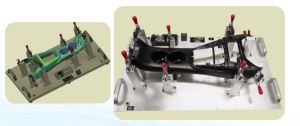
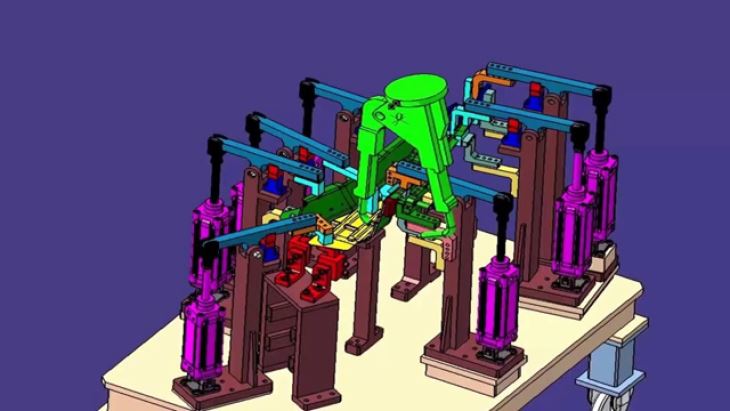
Auto welding jigs are specialized fixtures designed to hold and position automotive components during the welding process. They ensure that parts are aligned correctly, maintaining the precise distance and angle required for a strong and consistent weld. These jigs are custom-built to accommodate the unique geometries of different automotive parts, from simple brackets to complex body panels.
The use of auto welding jigs is not just a matter of convenience; it's a necessity for achieving high-quality welds. Without proper fixturing, parts can shift or move during welding, leading to inconsistent welds, poor joint strength, and potential safety hazards. By providing a stable and repeatable platform for welding, auto welding jigs help manufacturers produce reliable and durable automotive components.
Impact on Weld Joint Strength
One of the primary ways auto welding jigs enhance weld joint strength is by ensuring proper alignment of the parts being welded. When parts are misaligned, the weld may not penetrate evenly, resulting in weak spots or incomplete fusion. This can significantly reduce the joint's strength and durability, making it more susceptible to failure under stress.
Auto welding jigs eliminate these issues by holding the parts in the correct position throughout the welding process. They use precision-machined features and clamping mechanisms to secure the parts firmly, preventing any movement or displacement. This ensures that the weld is applied exactly where it's needed, creating a strong and uniform bond between the parts.
Another factor that affects weld joint strength is the heat input during welding. Excessive heat can cause the metal to become brittle, reducing its strength and ductility. On the other hand, insufficient heat may result in incomplete fusion and a weak weld. Auto welding jigs help control the heat input by providing a stable platform that allows for consistent welding parameters.
By maintaining a consistent distance and angle between the welding electrode and the parts, auto welding jigs ensure that the heat is distributed evenly across the joint. This helps to minimize the risk of overheating or underheating, resulting in a stronger and more reliable weld.
In addition to alignment and heat control, auto welding jigs also play a crucial role in reducing distortion. Welding generates significant heat, which can cause the parts to expand and contract, leading to distortion and warping. This can not only affect the appearance of the finished product but also compromise its structural integrity.
Auto welding jigs are designed to minimize distortion by providing support and restraint to the parts during welding. They use strategically placed clamps and fixtures to hold the parts in place, preventing them from moving or deforming under the heat of the weld. This helps to ensure that the finished product meets the required specifications and tolerances, with minimal distortion and a high level of dimensional accuracy.
Real-World Examples
To illustrate the impact of auto welding jigs on weld joint strength, let's take a look at some real-world examples. One of the most common applications of auto welding jigs is in the production of Auto Pillar Parts Welding Fixture. These fixtures are used to hold and position the pillar parts during welding, ensuring that they are aligned correctly and welded together with precision.
Without the use of auto welding jigs, the pillar parts may not be aligned properly, resulting in weak welds and a compromised structural integrity. This can lead to issues such as rattling, squeaking, and even structural failure in the event of a collision. By using auto welding jigs, manufacturers can ensure that the pillar parts are welded together with maximum strength and durability, providing a safe and reliable structure for the vehicle.
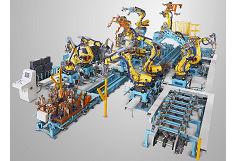
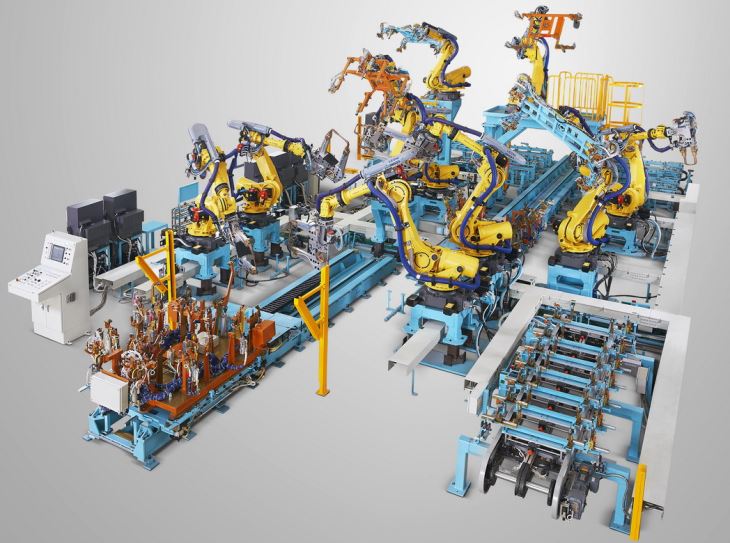
Another example is the use of Robotic Welding Fixture Line in automotive manufacturing. These lines are equipped with advanced robotic welding systems that use auto welding jigs to hold and position the parts during welding. The jigs are designed to work in conjunction with the robotic welding system, providing a precise and repeatable platform for welding.
The use of robotic welding fixture lines has revolutionized the automotive manufacturing industry, allowing for faster and more efficient production of high-quality welds. By using auto welding jigs, the robotic welding system can achieve a high level of accuracy and consistency, resulting in stronger and more reliable weld joints. This not only improves the quality of the finished product but also reduces the cost of production by minimizing the need for rework and scrap.
Conclusion
In conclusion, the impact of an auto welding jig on weld joint strength cannot be overstated. These fixtures play a crucial role in ensuring that automotive components are welded together with precision, consistency, and strength. By providing proper alignment, heat control, and distortion reduction, auto welding jigs help manufacturers produce reliable and durable automotive parts that meet the highest standards of quality and safety.
If you're in the automotive manufacturing industry and looking to improve the quality and efficiency of your welding processes, I encourage you to consider investing in high-quality auto welding jigs. Our company specializes in the design and manufacture of custom auto welding jigs that are tailored to your specific needs and requirements. Contact us today to learn more about how our products can help you achieve your production goals.
References
- American Welding Society. (2023). Welding Handbook, Volume 1: Fundamentals of Welding.
- AWS D1.1/D1.1M:2020, Structural Welding Code - Steel.
- ASME Boiler and Pressure Vessel Code, Section IX - Welding and Brazing Qualifications.