As a supplier of Auto Welding Jigs, I've encountered numerous inquiries regarding the differences between horizontal and vertical auto welding jigs. In this blog, I'll delve into the distinct characteristics, applications, and advantages of each type to help you make an informed decision for your welding projects.
Structural Design and Configuration
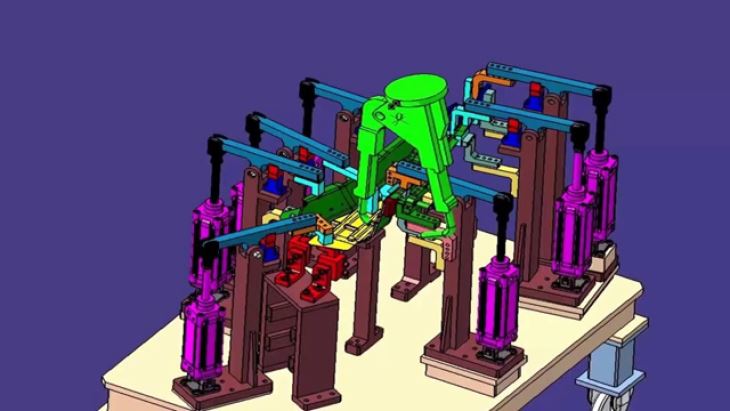
The most obvious difference between horizontal and vertical auto welding jigs lies in their structural design and configuration. A horizontal auto welding jig is designed with the workpiece placed horizontally during the welding process. This setup typically features a flat worktable where the components are positioned and secured. The welding equipment, such as robotic arms or welding torches, moves horizontally across the workpiece to perform the welding operations.
On the other hand, a vertical auto welding jig positions the workpiece vertically. The components are held in place by fixtures or clamps arranged in a vertical orientation. The welding equipment moves vertically along the height of the workpiece, allowing for welding operations on vertical seams or joints.
Welding Applications
The choice between a horizontal and vertical auto welding jig largely depends on the specific welding applications. Horizontal welding jigs are well-suited for projects that involve flat or horizontal surfaces, such as welding large panels, frames, or sheets. They are commonly used in industries like automotive manufacturing, shipbuilding, and construction, where large-scale horizontal welding operations are required.
For instance, in the automotive industry, horizontal welding jigs are used to weld car body panels, floor pans, and chassis components. The flat worktable provides a stable platform for precise positioning of the components, ensuring accurate and consistent welds.
Vertical welding jigs, on the other hand, are ideal for applications that involve vertical seams or joints. They are commonly used in the fabrication of columns, pipes, and other vertical structures. In the construction industry, vertical welding jigs are used to weld steel columns and beams, while in the pipeline industry, they are used to weld pipes together.
The vertical orientation of the workpiece allows for better access to the welding area, especially for deep penetration welding. It also helps to prevent the accumulation of molten metal, which can cause defects in the weld.
Advantages of Horizontal Auto Welding Jigs
- Stability and Precision: The flat worktable of a horizontal welding jig provides a stable platform for the workpiece, minimizing vibrations and ensuring precise positioning. This results in accurate and consistent welds, reducing the need for rework.
- Easy Loading and Unloading: The horizontal orientation of the workpiece makes it easier to load and unload components onto the worktable. This improves productivity and reduces the time required for setup and changeover.
- Versatility: Horizontal welding jigs can be used for a wide range of welding processes, including MIG, TIG, and spot welding. They can also accommodate different sizes and shapes of workpieces, making them suitable for various applications.
- Accessibility: The horizontal setup allows for easy access to the welding area, making it easier to monitor the welding process and make adjustments as needed.
Advantages of Vertical Auto Welding Jigs
- Gravity Assistance: In vertical welding, gravity helps to keep the molten metal in place, reducing the risk of sagging or dripping. This results in better weld quality, especially for deep penetration welding.
- Improved Weld Accessibility: The vertical orientation of the workpiece provides better access to the welding area, especially for vertical seams or joints. This allows for more efficient welding and reduces the need for complex fixturing.
- Space Saving: Vertical welding jigs typically require less floor space compared to horizontal welding jigs. This makes them ideal for facilities with limited space.
- Reduced Distortion: The vertical setup helps to minimize distortion in the workpiece, especially for thin-walled components. This is because the welding heat is distributed more evenly along the vertical axis, reducing the risk of warping.
Considerations for Choosing the Right Welding Jig
When choosing between a horizontal and vertical auto welding jig, there are several factors to consider:
- Workpiece Geometry: The shape and size of the workpiece will determine the most suitable welding jig. If the workpiece has a flat or horizontal surface, a horizontal welding jig may be the best choice. If the workpiece has vertical seams or joints, a vertical welding jig may be more appropriate.
- Welding Process: Different welding processes may require different types of welding jigs. For example, some welding processes may be more suitable for horizontal welding, while others may be better suited for vertical welding.
- Production Volume: The production volume will also affect the choice of welding jig. If you have a high production volume, a more automated and efficient welding jig may be required. If you have a low production volume, a simpler and more cost-effective welding jig may be sufficient.
- Budget: The cost of the welding jig is another important consideration. Horizontal welding jigs are generally more expensive than vertical welding jigs, but they may offer greater versatility and productivity.
Conclusion
In conclusion, the choice between a horizontal and vertical auto welding jig depends on the specific welding applications, workpiece geometry, welding process, production volume, and budget. Both types of welding jigs have their own advantages and disadvantages, and it's important to choose the one that best suits your needs.
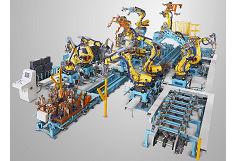
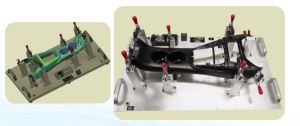
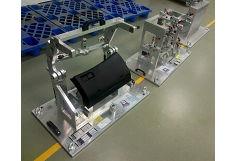
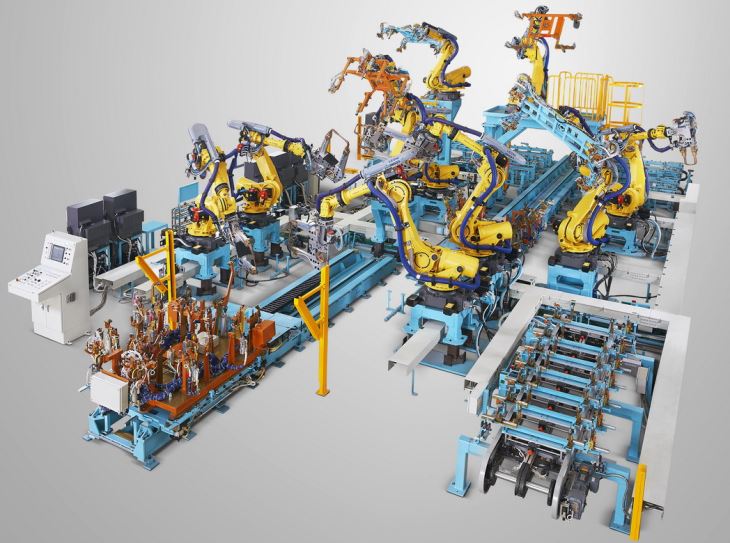
As a supplier of Auto Welding Jigs, we offer a wide range of horizontal and vertical welding jigs to meet the diverse needs of our customers. Our Robotic Welding Fixture Line provides high-precision and efficient welding solutions for large-scale production, while our Auto Pillar Parts Welding Fixture is specifically designed for the automotive industry.
If you're looking for a reliable and high-quality Auto Welding Jig, please don't hesitate to contact us. Our team of experts will be happy to assist you in choosing the right welding jig for your project and provide you with a customized solution.
References
- Welding Handbook, American Welding Society
- Automotive Welding Technology, Society of Automotive Engineers
- Industrial Welding Applications, Welding Journal