Hey there! As a supplier of Robotic MIG Weld Fixtures, I'm here to chat about one of the key aspects of these cool machines: the communication interface.
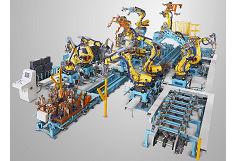
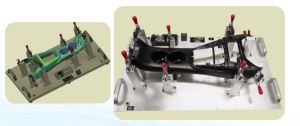
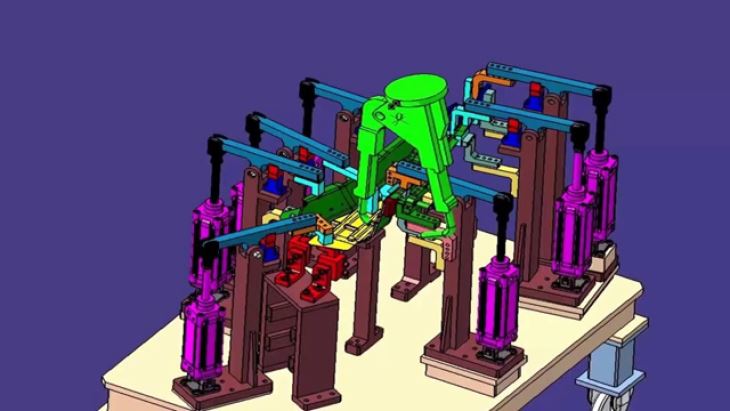
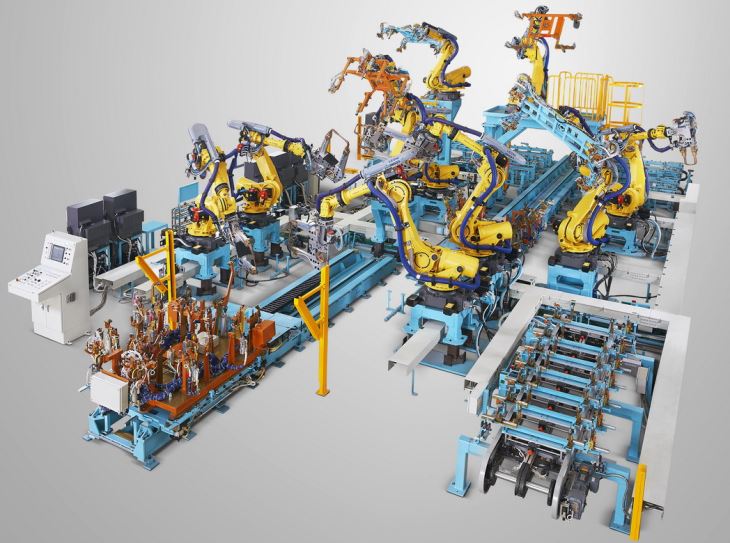
First off, let's get a basic understanding of what a Robotic MIG Weld Fixture is. It's a piece of equipment that holds the workpiece in place during the MIG (Metal Inert Gas) welding process. This ensures accurate and consistent welds, which is super important in industries like automotive manufacturing. We've got some great products on our website, like the Robotic Welding Fixture Line and the Auto Pillar Parts Welding Fixture.
Now, back to the communication interface. The communication interface of a Robotic MIG Weld Fixture is like the language it uses to talk to other parts of the welding system. It's what allows the fixture to receive commands from the robot controller and send back feedback about its status.
There are different types of communication interfaces out there. One common type is the Ethernet interface. Ethernet is a widely used networking technology that offers high-speed data transfer. With an Ethernet interface, the Robotic MIG Weld Fixture can quickly exchange information with the robot controller and other devices on the network. This is great for real-time control, as it enables the fixture to respond rapidly to changes in the welding process.
Another type is the Profibus interface. Profibus is a fieldbus standard that's commonly used in industrial automation. It's known for its reliability and ability to handle large amounts of data. A Robotic MIG Weld Fixture with a Profibus interface can communicate effectively with other Profibus-compatible devices in the welding system, such as sensors and actuators.
The communication interface also plays a crucial role in programming the fixture. When you're setting up a new welding job, you need to tell the fixture where to hold the workpiece, how tight to clamp it, and other important details. The communication interface allows you to transfer this programming data from a computer or a handheld device to the fixture.
Let's talk about the benefits of having a good communication interface. Firstly, it improves the overall efficiency of the welding process. When the fixture can communicate smoothly with the robot controller, the robot can work more precisely and quickly. This means less downtime and higher productivity.
Secondly, it enhances the quality of the welds. The feedback sent back by the fixture through the communication interface can be used to adjust the welding parameters in real-time. For example, if the fixture detects that the workpiece is moving slightly, it can send a signal to the robot controller to make a small adjustment to the welding path. This helps to ensure that the welds are consistent and of high quality.
Thirdly, it makes maintenance and troubleshooting easier. If there's a problem with the fixture, the communication interface can provide detailed diagnostic information. This allows technicians to quickly identify the issue and take appropriate action.
However, there are also some challenges associated with the communication interface. One challenge is compatibility. Different robots and welding systems may use different communication protocols. So, it's important to make sure that the Robotic MIG Weld Fixture you choose has a communication interface that's compatible with your existing equipment.
Another challenge is security. Since the communication interface connects the fixture to a network, there's a risk of cyberattacks. It's essential to implement proper security measures, such as firewalls and encryption, to protect the data transmitted through the interface.
In conclusion, the communication interface of a Robotic MIG Weld Fixture is a vital component that affects the performance, efficiency, and quality of the welding process. As a supplier, we understand the importance of providing fixtures with reliable and advanced communication interfaces.
If you're in the market for a Robotic MIG Weld Fixture, I encourage you to get in touch with us to discuss your specific needs. We can help you choose the right fixture with the most suitable communication interface for your welding system. Whether you're looking for a high-speed Ethernet interface or a reliable Profibus interface, we've got you covered. Let's work together to take your welding operations to the next level!
References:
- Industrial Automation Handbook
- Welding Technology and Applications by John Doe