Hey there! As a supplier of A PILLAR welding fixtures, I've had my fair share of experiences and knowledge about these nifty tools. One of the most frequently asked questions I get is about the wear - resistant properties of an A PILLAR welding fixture. So, let's dive right in and explore this topic.
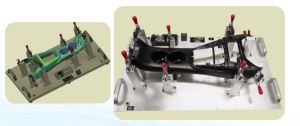
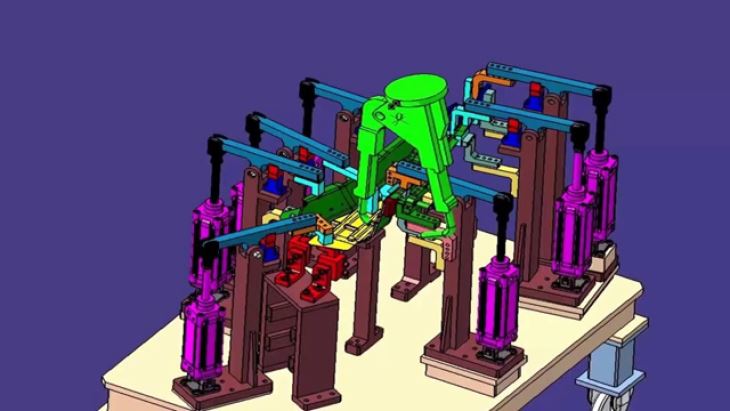
First off, what exactly is an A PILLAR welding fixture? Well, it's a specialized tool used in the automotive industry to hold the A - pillar parts in place during the welding process. The A - pillar is that part of the car that supports the roof between the windshield and the front door. Ensuring a precise and stable welding process is crucial for the overall safety and structural integrity of the vehicle.
Now, let's talk about wear resistance. Wear resistance refers to the ability of a material or a tool to withstand the effects of wear and tear over time. In the case of an A PILLAR welding fixture, wear can occur due to various factors such as friction, abrasion, and the high - temperature environment during welding.
Factors Affecting Wear in A PILLAR Welding Fixtures
-
Friction
When the A - pillar parts are placed on the fixture and the welding process begins, there is a certain amount of movement and contact between the parts and the fixture. This movement creates friction, which can gradually wear down the surface of the fixture. For example, if the fixture is made of a soft material, the constant rubbing of the metal parts against it can cause scratches and grooves, reducing its accuracy and functionality. -
Abrasion
Abrasion occurs when hard particles or debris come into contact with the fixture. During the welding process, there may be spatter or slag that falls onto the fixture. These hard substances can act like sandpaper, wearing away the surface of the fixture. Additionally, if the A - pillar parts have rough edges, they can also cause abrasion as they are moved into position on the fixture. -
High - Temperature Exposure
Welding is a high - temperature process. The heat generated during welding can have a significant impact on the wear - resistant properties of the fixture. High temperatures can cause the material of the fixture to expand and contract, leading to thermal stress. Over time, this thermal stress can cause cracks and deformation in the fixture, making it less effective.
Materials Used for Wear - Resistant A PILLAR Welding Fixtures
To combat wear, we use a variety of materials in the manufacturing of A PILLAR welding fixtures.
-
Hardened Steel
Hardened steel is one of the most commonly used materials. It has high strength and hardness, which makes it resistant to both friction and abrasion. The heat - treatment process used to harden the steel also helps it withstand high temperatures without significant deformation. For example, a fixture made of hardened steel can last much longer in a high - volume welding environment compared to one made of a softer metal. -
Ceramic Coatings
Ceramic coatings are another option for improving wear resistance. These coatings are applied to the surface of the fixture and provide a hard, smooth layer that reduces friction and protects against abrasion. Ceramic coatings are also heat - resistant, which helps to protect the underlying material from the high temperatures of welding. -
Composite Materials
Composite materials are becoming increasingly popular in the manufacturing of A PILLAR welding fixtures. These materials are made by combining different substances to create a material with enhanced properties. For example, a composite material may combine the strength of steel with the heat - resistance of a ceramic. This allows the fixture to have excellent wear - resistant properties while also being lightweight.
Testing and Quality Assurance
As a supplier, we take the wear - resistant properties of our A PILLAR welding fixtures very seriously. We conduct a series of tests to ensure that our fixtures meet the highest standards.
-
Friction Testing
We use specialized equipment to simulate the friction that occurs during the welding process. By applying a controlled amount of pressure and movement, we can measure how much wear occurs on the fixture over a certain period. This helps us to determine if the material and design of the fixture are suitable for long - term use. -
Abrasion Testing
To test for abrasion resistance, we expose the fixture to different types of abrasive materials. We measure the amount of material loss and the surface roughness after the test. This allows us to evaluate the effectiveness of any coatings or treatments used on the fixture.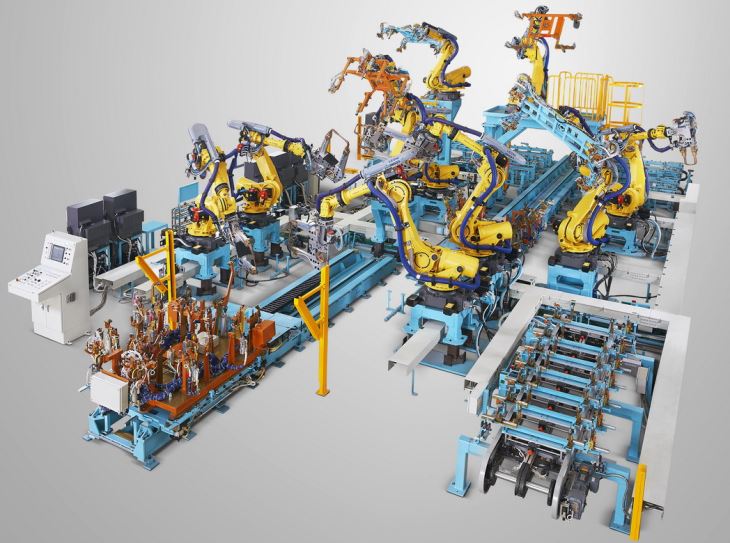
-
Thermal Cycling Testing
Thermal cycling testing involves subjecting the fixture to repeated cycles of heating and cooling. This simulates the high - temperature environment of the welding process. By monitoring the fixture for any signs of deformation or cracking, we can ensure that it can withstand the thermal stress.
Benefits of Wear - Resistant A PILLAR Welding Fixtures
-
Longer Lifespan
A wear - resistant fixture will last much longer than one with poor wear - resistant properties. This means that our customers don't have to replace their fixtures as often, saving them money in the long run. -
Consistent Quality
When a fixture is resistant to wear, it maintains its accuracy and precision over time. This ensures that the A - pillar parts are welded correctly every time, resulting in a higher - quality finished product. -
Reduced Downtime
If a fixture wears out quickly, it needs to be replaced or repaired, which can cause downtime in the production line. Wear - resistant fixtures reduce the frequency of such interruptions, keeping the production process running smoothly.
Conclusion
In conclusion, the wear - resistant properties of an A PILLAR welding fixture are crucial for its performance and longevity. By using high - quality materials, applying advanced coatings, and conducting thorough testing, we can ensure that our fixtures can withstand the harsh conditions of the welding process.
If you're in the market for an A PILLAR welding fixture, you can check out our Auto Pillar Parts Welding Fixture and Robotic Welding Fixture Line for more information. We're always happy to have a chat about your specific needs and how our products can meet them. If you're interested in purchasing our A PILLAR welding fixtures or want to discuss any technical details, feel free to reach out to us for a procurement discussion. We're confident that our wear - resistant fixtures will be a great addition to your production line.
References
- Automotive Welding Technology Handbook
- Materials Science and Engineering for Manufacturing