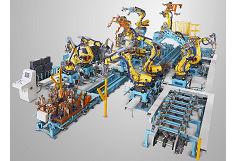
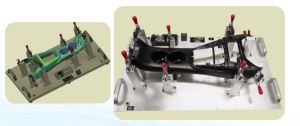
Hey there! As a supplier of A PILLAR welding fixtures, I've got a bunch to share about the surface treatment methods for these fixtures. Surface treatment is super important for A PILLAR welding fixtures. It not only enhances their appearance but also boosts their performance and durability. Let's dive into the different methods available.
1. Painting
Painting is one of the most common surface treatment methods for A PILLAR welding fixtures. It's a cost - effective way to protect the fixture from corrosion and give it a nice finish. There are several types of paints that can be used.
- Epoxy Paints: These paints are known for their excellent adhesion and chemical resistance. They can form a tough, durable coating on the fixture surface. Epoxy paints are great for protecting the fixture from moisture, chemicals, and abrasion. For A PILLAR welding fixtures, which are often exposed to various welding fumes and environmental factors, epoxy paints can provide long - term protection.
- Powder Coating: Powder coating is another popular option. It involves applying a dry powder to the fixture surface and then heating it to form a smooth, hard finish. Powder coating is more environmentally friendly than traditional liquid paints as it produces less waste. It also offers better corrosion resistance and a more uniform finish. The colors available in powder coating are also quite diverse, so you can choose a color that suits your needs or matches your workshop's aesthetic.
The process of painting an A PILLAR welding fixture usually starts with surface preparation. The fixture needs to be cleaned thoroughly to remove any dirt, grease, or rust. Then, a primer may be applied to improve the adhesion of the topcoat. After that, the paint or powder is applied, and finally, it goes through a curing process to ensure a strong and durable finish.
2. Galvanizing
Galvanizing is a process of coating the A PILLAR welding fixture with a layer of zinc. This is a great way to prevent rust and corrosion. There are two main types of galvanizing: hot - dip galvanizing and electro - galvanizing.
- Hot - Dip Galvanizing: In hot - dip galvanizing, the fixture is dipped into a bath of molten zinc. This creates a thick, protective layer of zinc on the surface. Hot - dip galvanizing provides excellent long - term corrosion protection, especially in harsh environments. The zinc layer acts as a sacrificial anode, which means it corrodes first before the underlying metal. This can significantly extend the lifespan of the A PILLAR welding fixture.
- Electro - Galvanizing: Electro - galvanizing, on the other hand, uses an electric current to deposit a thin layer of zinc onto the fixture surface. It's a more precise process compared to hot - dip galvanizing and can be used for fixtures with complex shapes. However, the zinc layer in electro - galvanizing is usually thinner than that in hot - dip galvanizing, so it may not offer the same level of long - term protection in extremely corrosive environments.
Galvanizing also has the advantage of being relatively low - maintenance. Once the fixture is galvanized, it can withstand a lot of wear and tear without much additional treatment.
3. Anodizing
Anodizing is mainly used for aluminum A PILLAR welding fixtures. It's an electrochemical process that forms a protective oxide layer on the aluminum surface.
- Benefits of Anodizing: The anodized layer is hard, wear - resistant, and provides good corrosion resistance. It also enhances the appearance of the fixture, giving it a smooth and shiny finish. Anodizing can be done in different colors, which allows for some customization. For example, you can choose a black anodized finish for a more industrial look or a clear anodized finish to maintain the natural appearance of the aluminum.
- The Anodizing Process: The process starts with cleaning the aluminum fixture to remove any contaminants. Then, it is placed in an electrolyte solution, and an electric current is passed through it. This causes the aluminum surface to oxidize, forming the anodized layer. The thickness of the anodized layer can be controlled by adjusting the process parameters.
4. Nitriding
Nitriding is a heat - treating process that introduces nitrogen into the surface of the A PILLAR welding fixture. This is typically used for steel fixtures.
- Improving Surface Properties: Nitriding can significantly improve the hardness, wear resistance, and fatigue strength of the fixture. The nitrogen forms a hard nitride layer on the surface, which can withstand high - pressure and high - temperature conditions during the welding process. This makes the fixture more durable and less likely to deform or wear out quickly.
- Types of Nitriding: There are different types of nitriding processes, such as gas nitriding and plasma nitriding. Gas nitriding is a traditional method where the fixture is heated in a nitrogen - rich atmosphere. Plasma nitriding, on the other hand, uses a plasma discharge to accelerate the nitrogen diffusion process. Plasma nitriding is often faster and can produce a more uniform nitride layer.
5. Polishing
Polishing is a surface treatment method that can be used to improve the appearance and smoothness of the A PILLAR welding fixture.
- Aesthetic and Functional Benefits: A polished surface not only looks good but also has some functional advantages. It can reduce friction, which is beneficial when the fixture is in contact with other parts during the welding process. Polishing can also make the fixture easier to clean, as dirt and debris are less likely to stick to a smooth surface.
- Polishing Methods: There are different ways to polish a fixture, such as mechanical polishing and chemical polishing. Mechanical polishing uses abrasive materials to smooth the surface, while chemical polishing uses chemical solutions to dissolve the surface layer and create a smooth finish.
Which Method to Choose?
Choosing the right surface treatment method for your A PILLAR welding fixture depends on several factors.
- Environment: If the fixture will be used in a harsh, corrosive environment, galvanizing or anodizing (for aluminum fixtures) may be the best choice. For example, if the workshop is near a coastal area where there is a lot of salt in the air, hot - dip galvanizing can provide excellent protection against rust.
- Functionality: If the fixture needs to have high wear resistance or hardness, nitriding or a hard - coating paint may be suitable. For instance, if the fixture is used in high - volume production where there is a lot of friction and wear, nitriding can help extend its lifespan.
- Aesthetics: If appearance is important, painting or polishing may be the way to go. You can choose a color or finish that matches your brand or the overall look of your workshop.
As a supplier of A PILLAR welding fixtures, I've seen firsthand how different surface treatment methods can impact the performance and longevity of these fixtures. Whether you're looking for a cost - effective solution like painting or a high - performance treatment like nitriding, we can help you make the right choice.
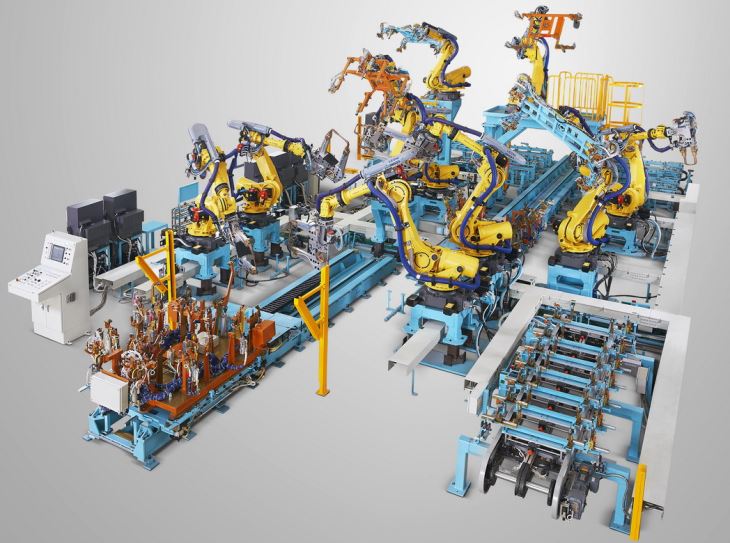
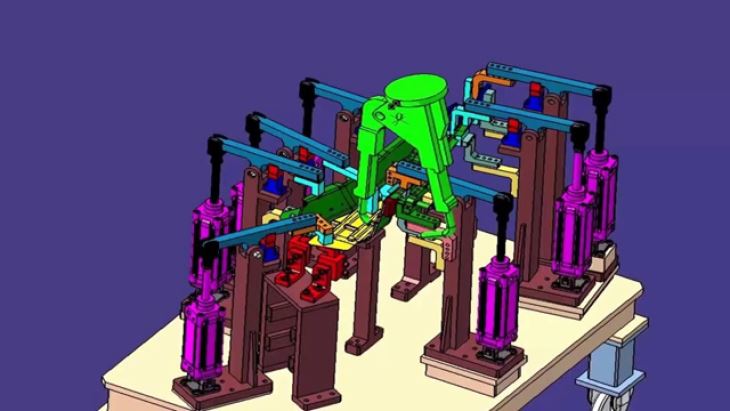
If you're interested in our Robotic Welding Fixture Line or Auto Pillar Parts Welding Fixture, feel free to reach out. We're always ready to discuss your specific requirements and provide you with the best - suited A PILLAR welding fixtures. We can work with you to determine the most appropriate surface treatment method for your needs, ensuring that you get a high - quality and long - lasting product.
So, if you're in the market for A PILLAR welding fixtures and want to learn more about surface treatment or make a purchase, don't hesitate to contact us. Let's start a conversation and see how we can help you with your welding fixture needs.
References
- ASM Handbook Volume 5: Surface Engineering. ASM International.
- Corrosion Basics: An Introduction. NACE International.
- Metal Finishing Guidebook. Industrial Press Inc.