As a seasoned supplier of checking fixtures, I've witnessed firsthand the importance of understanding the maintenance costs associated with these precision tools. Checking fixtures play a crucial role in ensuring the quality and accuracy of manufactured parts, but like any piece of equipment, they require regular maintenance to perform at their best. In this blog post, I'll delve into the various factors that contribute to the maintenance costs of checking fixtures and provide insights on how to manage these expenses effectively.
Understanding the Basics of Checking Fixtures
Before we dive into the maintenance costs, let's briefly review what checking fixtures are and why they are essential in the manufacturing process. Checking fixtures, also known as inspection fixtures, are custom-made tools designed to verify the dimensions, shape, and surface quality of manufactured parts. They are used in a wide range of industries, including automotive, aerospace, electronics, and consumer goods, to ensure that parts meet the required specifications and standards.
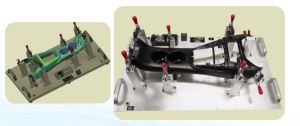
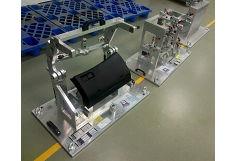
Checking fixtures typically consist of a base plate, locating pins, clamping devices, and measuring instruments such as gauges and sensors. They are designed to hold the part in a specific position and orientation, allowing for accurate measurement and inspection. By using checking fixtures, manufacturers can detect and correct any defects or deviations in the parts early in the production process, reducing the risk of costly rework, scrap, and customer complaints.
Factors Affecting the Maintenance Costs of Checking Fixtures
The maintenance costs of checking fixtures can vary depending on several factors, including the type of fixture, its complexity, the frequency of use, and the operating environment. Here are some of the key factors that can impact the maintenance costs of checking fixtures:
1. Material and Construction Quality
The quality of the materials used in the construction of checking fixtures can have a significant impact on their durability and maintenance requirements. High-quality materials such as hardened steel, aluminum, and plastic composites are more resistant to wear, corrosion, and deformation, which can reduce the frequency of repairs and replacements. On the other hand, low-quality materials may require more frequent maintenance and replacement, increasing the overall maintenance costs.
2. Complexity of the Fixture
The complexity of the checking fixture can also affect its maintenance costs. Fixtures with more intricate designs, multiple moving parts, and advanced measuring instruments may require more frequent maintenance and calibration to ensure accurate and reliable performance. Additionally, complex fixtures may be more difficult to repair and may require specialized tools and expertise, which can increase the maintenance costs.
3. Frequency of Use
The frequency of use is another important factor that can impact the maintenance costs of checking fixtures. Fixtures that are used frequently are more likely to experience wear and tear, which can lead to reduced accuracy and performance over time. Regular maintenance and calibration can help to extend the lifespan of the fixture and ensure that it continues to perform at its best. However, frequent use may also require more frequent maintenance and calibration, increasing the overall maintenance costs.
4. Operating Environment
The operating environment in which the checking fixture is used can also affect its maintenance costs. Fixtures that are used in harsh environments, such as high temperatures, high humidity, or dusty conditions, may require more frequent cleaning, lubrication, and inspection to prevent damage and ensure accurate performance. Additionally, fixtures that are exposed to corrosive chemicals or abrasive materials may require special coatings or treatments to protect them from damage, which can increase the maintenance costs.
Types of Maintenance Costs
The maintenance costs of checking fixtures can be divided into two main categories: preventive maintenance costs and corrective maintenance costs.
1. Preventive Maintenance Costs
Preventive maintenance is the proactive approach to maintaining checking fixtures to prevent breakdowns and ensure optimal performance. Preventive maintenance costs typically include the following:
- Regular Cleaning and Lubrication: Checking fixtures should be cleaned and lubricated regularly to remove dirt, debris, and contaminants that can affect their performance. This can help to prevent wear and tear and extend the lifespan of the fixture.
- Calibration and Inspection: Checking fixtures should be calibrated and inspected regularly to ensure that they are accurate and reliable. This can help to detect and correct any deviations or errors in the fixture's performance before they cause problems.
- Replacement of Wear Parts: Over time, certain parts of the checking fixture may wear out and need to be replaced. This can include locating pins, clamping devices, measuring instruments, and other components. Regular replacement of wear parts can help to prevent breakdowns and ensure that the fixture continues to perform at its best.
2. Corrective Maintenance Costs
Corrective maintenance is the reactive approach to maintaining checking fixtures when they break down or malfunction. Corrective maintenance costs typically include the following:
- Repairs and Replacements: When a checking fixture breaks down or malfunctions, it may need to be repaired or replaced. This can include fixing damaged parts, replacing worn-out components, or repairing electrical or mechanical systems.
- Downtime and Lost Production: When a checking fixture is out of service for repairs or maintenance, it can cause downtime and lost production. This can result in significant costs for the manufacturer, including lost revenue, increased labor costs, and missed deadlines.
- Emergency Repairs: In some cases, checking fixtures may require emergency repairs to minimize downtime and prevent further damage. Emergency repairs can be more expensive than regular repairs, as they may require overtime labor, expedited shipping of replacement parts, and other additional costs.
Managing the Maintenance Costs of Checking Fixtures
While the maintenance costs of checking fixtures can be significant, there are several strategies that manufacturers can use to manage these expenses effectively. Here are some tips for managing the maintenance costs of checking fixtures:
1. Develop a Preventive Maintenance Plan
A preventive maintenance plan is a proactive approach to maintaining checking fixtures to prevent breakdowns and ensure optimal performance. The plan should include a schedule for regular cleaning, lubrication, calibration, and inspection, as well as a list of wear parts that need to be replaced at regular intervals. By following a preventive maintenance plan, manufacturers can reduce the frequency of breakdowns and repairs, extend the lifespan of the fixture, and minimize the overall maintenance costs.
2. Train Your Employees
Proper training is essential for ensuring that your employees know how to use and maintain checking fixtures correctly. Training should include instructions on how to clean, lubricate, calibrate, and inspect the fixtures, as well as how to identify and report any problems or issues. By training your employees, you can reduce the risk of damage to the fixtures and ensure that they are used and maintained correctly, which can help to minimize the maintenance costs.
3. Use High-Quality Materials and Components
Using high-quality materials and components in the construction of checking fixtures can help to reduce the frequency of repairs and replacements, extend the lifespan of the fixture, and minimize the overall maintenance costs. When selecting materials and components, look for products that are durable, reliable, and resistant to wear, corrosion, and deformation.
4. Partner with a Reputable Supplier
Partnering with a reputable supplier of checking fixtures can help to ensure that you receive high-quality products and reliable support. A good supplier will have a team of experienced engineers and technicians who can provide technical assistance, training, and maintenance services. They will also have a wide range of products and solutions to meet your specific needs and requirements.
5. Monitor and Analyze Maintenance Costs
Monitoring and analyzing maintenance costs is essential for identifying trends, opportunities for improvement, and areas where costs can be reduced. By tracking the maintenance costs of your checking fixtures over time, you can identify any patterns or issues that may be contributing to high costs and take steps to address them. This can include adjusting your preventive maintenance plan, improving your training programs, or switching to a different supplier or product.


Conclusion
In conclusion, the maintenance costs of checking fixtures can be significant, but they are an essential investment in ensuring the quality and accuracy of manufactured parts. By understanding the factors that affect the maintenance costs of checking fixtures and implementing strategies to manage these expenses effectively, manufacturers can reduce the frequency of breakdowns and repairs, extend the lifespan of the fixture, and minimize the overall maintenance costs. As a Checking Fixture Manufacturer, we are committed to providing our customers with high-quality Checking Fixture And Gages and reliable support to help them manage their maintenance costs and improve their production efficiency. If you have any questions or would like to learn more about our products and services, please visit our website at Sunyuu Gauges And Checking Fixtures or contact us today to discuss your specific needs and requirements. We look forward to partnering with you to help you achieve your manufacturing goals.
References
- Smith, J. (2020). Maintenance Management for Manufacturing Equipment. New York: Wiley.
- Jones, A. (2019). Quality Control and Inspection in Manufacturing. London: Routledge.
- Brown, C. (2018). The Handbook of Manufacturing Engineering. Cambridge: Cambridge University Press.