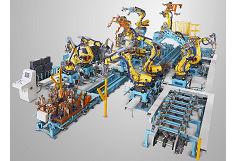
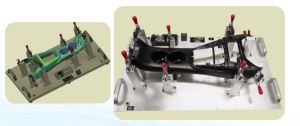
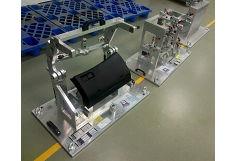
Hey there! As a supplier of Robotic MIG Weld Fixtures, I've got a lot to share about the environmental requirements for these nifty pieces of equipment. Let's dive right in!
Temperature and Humidity
First off, temperature and humidity play a huge role in how well a Robotic MIG Weld Fixture performs. You see, these fixtures are made up of various components, like metals and electronics, and they're sensitive to extreme conditions.
In terms of temperature, most Robotic MIG Weld Fixtures work best in a range of about 10°C to 35°C (50°F to 95°F). If it gets too cold, the metal parts can become brittle and more prone to cracking. On the other hand, if it's too hot, the electronics might overheat, leading to malfunctions or even permanent damage.
Humidity is also a key factor. High humidity can cause corrosion on the metal parts of the fixture. Moisture in the air can react with the metal, forming rust and weakening the structure. A relative humidity level between 30% and 70% is generally recommended. To keep these conditions in check, it's a good idea to use climate - control systems in the workspace where the fixture is located. You can install air - conditioners to regulate the temperature and dehumidifiers to manage humidity.
Dust and Particulate Matter
Dust and other particulate matter are the enemies of a Robotic MIG Weld Fixture. When dust settles on the moving parts of the fixture, it can cause increased friction. This not only reduces the efficiency of the fixture but also shortens its lifespan. For example, the gears and bearings in the fixture can wear out much faster if they're constantly exposed to dust.
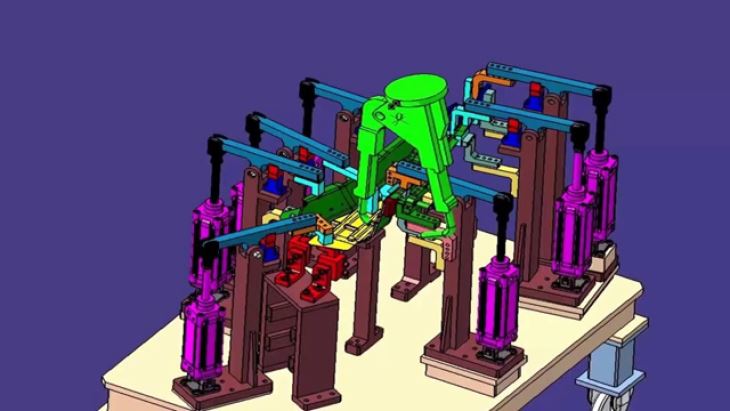
Moreover, dust can interfere with the electrical connections in the fixture. It can create a layer of insulation between the contacts, leading to poor conductivity and potential electrical failures. To prevent this, it's essential to keep the workspace clean. Regularly sweep and vacuum the area around the fixture. You can also use air filters in the workspace to capture dust particles before they settle on the fixture. And if possible, enclose the fixture in a dust - proof cabinet or enclosure.
Ventilation
Ventilation is crucial when it comes to Robotic MIG Welding. During the welding process, a lot of fumes and gases are produced. These fumes can be harmful to both the fixture and the operators. For the fixture, the fumes can contain corrosive substances that can damage the metal parts. And for the operators, inhaling these fumes can cause health problems, such as respiratory issues.
A well - ventilated workspace helps to remove these fumes and gases. You can install exhaust fans near the welding area to suck out the fumes and expel them outside the building. Another option is to use local exhaust ventilation systems that are specifically designed for welding operations. These systems can be attached directly to the welding fixture to capture the fumes at the source.
Electrical Environment
The electrical environment in which the Robotic MIG Weld Fixture operates is also important. Fluctuations in the electrical supply can cause problems for the fixture's electronics. Voltage spikes, for example, can damage the circuit boards and other sensitive components. To protect against this, it's recommended to use voltage stabilizers and surge protectors.
Grounding is another crucial aspect. A proper grounding system helps to prevent electrical shocks and also protects the fixture from electrical interference. Make sure that the fixture is connected to a reliable ground source according to the manufacturer's instructions.
Chemical Exposure
Robotic MIG Weld Fixtures should be kept away from areas where they might be exposed to chemicals. Some chemicals can react with the metal parts of the fixture, causing corrosion or other forms of damage. For example, acids and alkalis can eat away at the metal surface.
If there are any chemical storage areas in the vicinity, make sure that the fixture is located at a safe distance. And if there's a risk of chemical spills, take precautions such as using chemical - resistant barriers or covers to protect the fixture.
Noise and Vibration
Noise and vibration can also have an impact on a Robotic MIG Weld Fixture. Excessive vibration can loosen the bolts and nuts that hold the fixture together, leading to misalignment and reduced accuracy. It can also cause premature wear and tear on the moving parts.
To reduce vibration, you can place the fixture on a vibration - dampening platform. These platforms are designed to absorb the vibrations and prevent them from being transferred to the fixture. In terms of noise, while it might not directly damage the fixture, it can be a nuisance for the operators. You can use sound - absorbing materials in the workspace to reduce the noise level.
Impact and Physical Damage
The fixture should be protected from physical impacts. Accidental bumps or collisions can damage the delicate components of the fixture. Make sure that there's enough space around the fixture so that it's not at risk of being hit by other equipment or vehicles in the workspace.
You can also install protective barriers or guards around the fixture to prevent direct impacts. And train the operators to handle the fixture and the surrounding equipment with care.
Lighting
Proper lighting is important for the operation of a Robotic MIG Weld Fixture. Good lighting allows the operators to see the welding process clearly, which helps to ensure accurate welding. It also makes it easier to inspect the fixture for any signs of damage or wear.
Install bright, even - distributed lighting in the workspace. You can use a combination of overhead lights and task lights to illuminate the area around the fixture. LED lights are a great option as they're energy - efficient and provide good quality light.
Compatibility with Other Equipment
The Robotic MIG Weld Fixture should be compatible with other equipment in the workspace. For example, if it's part of a Robotic Welding Fixture Line, all the components in the line need to work together smoothly. Incompatible equipment can cause problems such as misalignments, communication errors, and reduced overall efficiency.
Before installing the fixture, make sure to check its compatibility with other equipment in terms of mechanical, electrical, and software interfaces.
Special Considerations for Different Types of Parts
If you're using the fixture to weld different types of parts, like in an Auto Pillar Parts Welding Fixture, there might be some special environmental requirements. For example, parts made of different materials might have different temperature and humidity sensitivities. You might need to adjust the environmental conditions accordingly to ensure a high - quality weld.
Conclusion
In conclusion, meeting the environmental requirements for a Robotic MIG Weld Fixture is essential for its proper functioning and longevity. By controlling temperature, humidity, dust, ventilation, and other factors, you can ensure that the fixture operates at its best.
If you're in the market for a Robotic MIG Weld Fixture or have any questions about the environmental requirements, feel free to reach out to us. We're here to help you make the right choice and ensure that your welding operations run smoothly.
References
- Welding Handbook, American Welding Society
- Industrial Automation Equipment Maintenance Guide, Industry Press