Vibration is a common physical phenomenon that can have various effects on checking fixtures. As a supplier of Checking Fixtures, I have witnessed firsthand how vibration can impact the performance and accuracy of these essential tools in the manufacturing process. In this blog post, I will explore the effects of vibration on checking fixtures and discuss strategies to mitigate these effects.
Impact on Measurement Accuracy
One of the primary concerns when it comes to vibration and checking fixtures is its impact on measurement accuracy. Checking fixtures are designed to provide precise measurements of parts and components to ensure they meet the required specifications. However, vibration can cause the fixture and the part being measured to move or vibrate, leading to inaccurate readings.


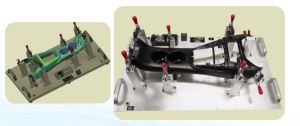
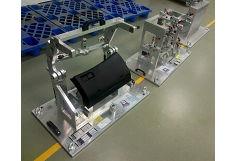
When a checking fixture is subjected to vibration, the sensors and measuring devices within the fixture can experience small displacements. These displacements can result in errors in the measurement data, making it difficult to determine whether a part is within the acceptable tolerance range. For example, in a Stamping Checking Fixture Manufacturer Supplier, vibration can cause the stamping parts to shift slightly during the measurement process, leading to incorrect measurements of dimensions such as length, width, and thickness.
Moreover, vibration can also introduce noise into the measurement signals. This noise can mask the true measurement values and make it challenging to distinguish between actual variations in the part and the effects of vibration. As a result, manufacturers may end up rejecting parts that are actually within the specifications or accepting parts that are out of tolerance, which can lead to quality issues and increased production costs.
Structural Integrity and Wear
In addition to affecting measurement accuracy, vibration can also have a significant impact on the structural integrity and wear of checking fixtures. Continuous exposure to vibration can cause the components of the fixture to loosen, crack, or break over time. This can compromise the stability and reliability of the fixture, making it less effective in performing its intended function.
For instance, the fasteners and bolts that hold the various parts of the checking fixture together can loosen due to vibration. This can lead to misalignment of the fixture components, which can further affect the measurement accuracy. Additionally, vibration can cause the surfaces of the fixture to wear down more quickly, especially in areas where there is contact between the fixture and the parts being measured. This wear can result in a loss of precision and require more frequent maintenance and replacement of the fixture components.
Furthermore, vibration can also induce fatigue in the materials used in the checking fixture. Fatigue is a phenomenon where the material weakens over time due to repeated loading and unloading cycles. In the case of checking fixtures, the vibration can act as a cyclic load, causing the material to develop cracks and eventually fail. This can be particularly problematic in high-precision applications where the integrity of the fixture is crucial for accurate measurements.
Influence on Fixture Setup and Calibration
Vibration can also pose challenges during the setup and calibration of checking fixtures. When setting up a fixture, it is essential to ensure that it is properly aligned and leveled to obtain accurate measurements. However, vibration can make it difficult to achieve and maintain this alignment.
For example, during the installation of a checking fixture, vibration from nearby machinery or equipment can cause the fixture to shift slightly, leading to misalignment. This misalignment can result in inaccurate measurements and require additional time and effort to correct. Similarly, vibration can also affect the calibration process. Calibration is the process of adjusting the fixture to ensure that it provides accurate measurements. However, vibration can introduce errors into the calibration process, making it difficult to achieve the desired level of accuracy.
Mitigation Strategies
To minimize the effects of vibration on checking fixtures, several mitigation strategies can be employed. One of the most effective strategies is to isolate the checking fixture from the source of vibration. This can be achieved by using vibration isolation mounts or pads. These mounts are designed to absorb and dampen the vibration, preventing it from being transmitted to the fixture.
For example, rubber or neoprene mounts can be used to isolate the checking fixture from the floor or the workbench. These mounts can effectively reduce the amplitude of the vibration and protect the fixture from its harmful effects. Additionally, anti-vibration pads can be placed under the feet of the fixture to further reduce the transmission of vibration.
Another strategy is to design the checking fixture to be more resistant to vibration. This can involve using materials with high damping properties and optimizing the structural design of the fixture. For instance, using cast iron or steel with good damping characteristics can help reduce the effects of vibration. Additionally, the fixture can be designed with a rigid structure and proper reinforcement to minimize the effects of vibration on its components.
Regular maintenance and inspection of the checking fixture are also crucial to ensure its proper functioning. This includes checking for loose fasteners, worn components, and signs of fatigue. By identifying and addressing these issues early on, manufacturers can prevent more significant problems from occurring and extend the lifespan of the fixture.
Furthermore, it is important to train the operators on the proper use and handling of the checking fixture. Operators should be aware of the potential effects of vibration and take appropriate measures to minimize its impact. This can include avoiding placing the fixture near sources of vibration, such as motors or pumps, and ensuring that the fixture is properly secured during use.
Conclusion
In conclusion, vibration can have a significant impact on the performance and accuracy of checking fixtures. It can affect measurement accuracy, structural integrity, and fixture setup and calibration. However, by implementing appropriate mitigation strategies, such as vibration isolation, proper design, regular maintenance, and operator training, manufacturers can minimize the effects of vibration and ensure the reliable operation of their checking fixtures.
As a Checking Fixture And Gages supplier, we understand the importance of providing high-quality fixtures that are resistant to vibration. We are committed to working with our customers to develop customized solutions that meet their specific requirements and help them overcome the challenges posed by vibration. If you are interested in learning more about our checking fixtures or have any questions regarding the effects of vibration on your fixtures, please feel free to contact us. We look forward to the opportunity to discuss your needs and explore potential partnerships for procurement and collaboration.
References
- Smith, J. (2018). Vibration Analysis and Control in Manufacturing Processes. New York: Wiley.
- Johnson, R. (2019). Handbook of Metrology and Measurement in Manufacturing. London: Elsevier.
- Brown, A. (2020). The Impact of Vibration on Precision Instrumentation. Journal of Manufacturing Science and Technology, 15(2), 123-135.