Hey there! As a supplier of Auto Welding Jigs, I've seen my fair share of issues that customers run into. Troubleshooting these problems can be a real headache, but don't worry - I'm here to share some tips and tricks to help you get your auto welding jig back in top shape.
Understanding the Basics
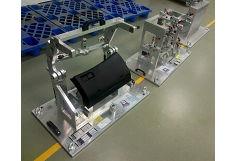
First off, let's talk about what an auto welding jig is and why it's so important. An auto welding jig is a tool used to hold and position parts during the welding process. It ensures that the parts are aligned correctly, which is crucial for producing high-quality welds. Without a proper jig, you might end up with misaligned parts, weak welds, or even safety hazards.
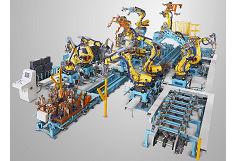
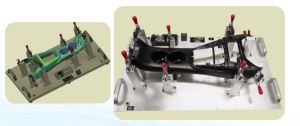
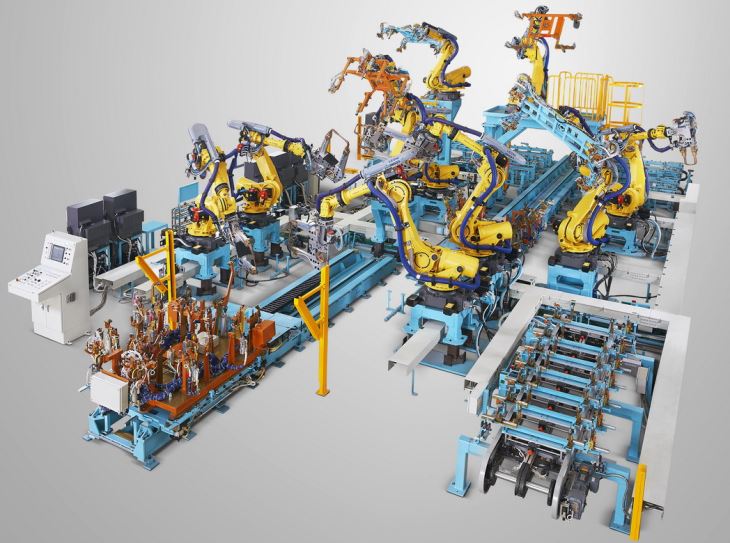
There are different types of auto welding jigs out there, like the Auto Pillar Parts Welding Fixture and the Robotic Welding Fixture Line. Each type has its own set of features and functions, but they all serve the same basic purpose: to make the welding process more efficient and accurate.
Common Problems and Solutions
1. Misalignment of Parts
One of the most common issues with auto welding jigs is misalignment of parts. This can happen for a variety of reasons, such as wear and tear on the jig, improper installation, or incorrect part placement.
Solution:
- Inspect the Jig: Check for any signs of damage or wear on the jig. Look for loose bolts, bent components, or other issues that could be causing the misalignment. Tighten any loose bolts and replace any damaged parts.
- Verify Installation: Make sure the jig is installed correctly. Follow the manufacturer's instructions carefully and double-check all the connections. If the jig is not installed properly, it can cause the parts to be misaligned.
- Check Part Placement: Ensure that the parts are placed correctly in the jig. Use the alignment marks and guides provided on the jig to position the parts accurately. If necessary, make adjustments to the part placement to ensure proper alignment.
2. Poor Weld Quality
Another common problem is poor weld quality. This can be caused by a number of factors, including incorrect welding parameters, dirty or contaminated parts, or a faulty welding machine.
Solution:
- Adjust Welding Parameters: Check the welding parameters, such as voltage, current, and wire feed speed. Make sure they are set correctly for the type of material and thickness of the parts being welded. Consult the welding machine's manual or a welding expert if you're not sure how to adjust the parameters.
- Clean the Parts: Before welding, make sure the parts are clean and free of dirt, grease, and other contaminants. Use a wire brush or a cleaning solvent to clean the parts thoroughly. This will help improve the weld quality and prevent defects.
- Inspect the Welding Machine: Check the welding machine for any signs of damage or malfunction. Make sure the electrodes are in good condition and the welding wire is feeding smoothly. If the welding machine is not working properly, it can cause poor weld quality.
3. Jig Wear and Tear
Over time, auto welding jigs can experience wear and tear due to repeated use. This can cause the jig to lose its accuracy and effectiveness.
Solution:
- Regular Maintenance: Implement a regular maintenance schedule for your auto welding jigs. This should include cleaning, lubrication, and inspection of the jig. Check for any signs of wear and tear and replace any worn-out parts as needed.
- Use High-Quality Parts: When replacing parts on your auto welding jig, make sure to use high-quality parts that are compatible with the jig. Using low-quality parts can cause further damage to the jig and reduce its lifespan.
- Store the Jig Properly: When not in use, store the auto welding jig in a dry, clean place. Protect it from dust, moisture, and other environmental factors that can cause damage.
4. Jig Not Holding Parts Securely
If the jig is not holding the parts securely, it can cause the parts to move during the welding process, resulting in misaligned welds or poor weld quality.
Solution:
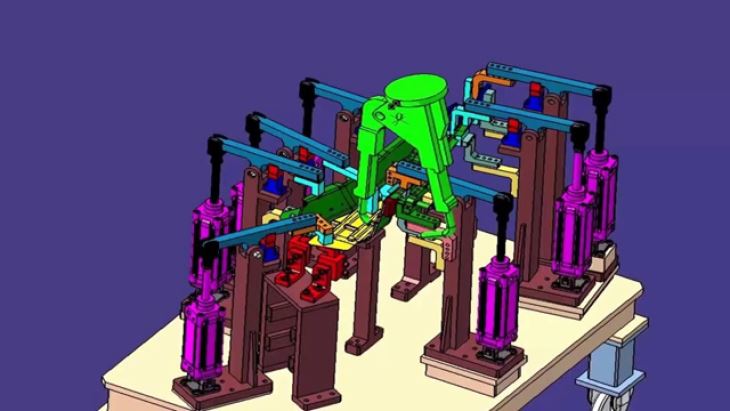
- Check the Clamping Mechanism: Make sure the clamping mechanism on the jig is working properly. Check for any loose or damaged clamps and tighten or replace them as needed. Adjust the clamping force to ensure that the parts are held securely in place.
- Inspect the Part Surfaces: Ensure that the surfaces of the parts being welded are flat and smooth. If the parts have uneven surfaces, it can make it difficult for the jig to hold them securely. Use a file or a grinder to smooth out any rough surfaces.
- Add Support Structures: If necessary, add support structures to the jig to help hold the parts securely. This can include additional clamps, brackets, or blocks.
Preventive Measures
1. Training and Education
Make sure your employees are properly trained on how to use and maintain the auto welding jigs. Provide them with training on the correct operating procedures, safety guidelines, and maintenance practices. This will help prevent many common problems and ensure the longevity of the jigs.
2. Quality Control
Implement a quality control system to monitor the performance of the auto welding jigs. Regularly inspect the jigs and the welds produced to ensure that they meet the required standards. This will help identify any potential problems early on and allow you to take corrective action before they become major issues.
3. Use of High-Quality Materials
Invest in high-quality auto welding jigs made from durable materials. While they may be more expensive upfront, they will last longer and require less maintenance in the long run. Using high-quality materials will also help improve the overall quality of the welds produced.
Conclusion
Troubleshooting problems with auto welding jigs can be a challenging task, but with the right knowledge and tools, it can be done effectively. By understanding the common problems and their solutions, implementing preventive measures, and providing proper training and maintenance, you can keep your auto welding jigs in top shape and ensure the success of your welding operations.
If you're experiencing any problems with your auto welding jigs or if you're looking to purchase a new jig, don't hesitate to get in touch with us. We're here to help you find the right solution for your needs and provide you with the support and expertise you need to keep your welding operations running smoothly.
References
- Welding Handbook, American Welding Society
- Automotive Welding Technology, Society of Automotive Engineers